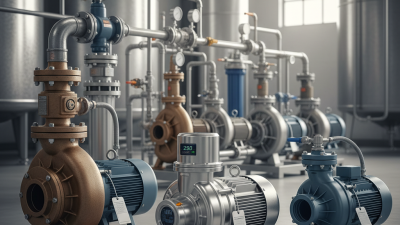
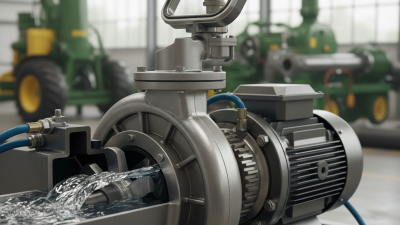
Choosing the 2026 best self priming water pump is not about finding one universal winner. Global buyers face different water sources, voltage standards, climates, and installation conditions. A pump lifting rainwater from a storage tank may need different performance from one handling muddy construction-site water. Real conditions vary.
This guide examines practical evidence from pump selection, installation, and maintenance experience. It considers flow rate, total head, suction lift, inlet size, motor efficiency, and priming performance. It also reviews impeller materials, seal quality, noise levels, dry-run protection, and spare-parts availability. Small details matter. A poorly matched suction pipe can reduce performance, even when the motor appears powerful. That matters.
Reliable purchasing decisions also require documented testing and clear technical support. Buyers should check product datasheets, performance curves, warranty terms, and commissioning instructions. Regional requirements may include electrical approvals, water-contact material standards, or environmental documentation. Certification alone does not prove suitability. The operating data must match the real site.
Some manufacturers publish impressive maximum flow figures, but these numbers may reflect ideal laboratory conditions. Actual output can fall with long pipe runs, clogged filters, high elevation, or unstable power. I have seen specifications look excellent until installation exposed weak priming recovery. This is worth questioning. A strong shortlist should compare verified performance, service responsiveness, lifecycle cost, and local compatibility. The following sections will help buyers assess leading models with more confidence, while recognizing that every application has limits.
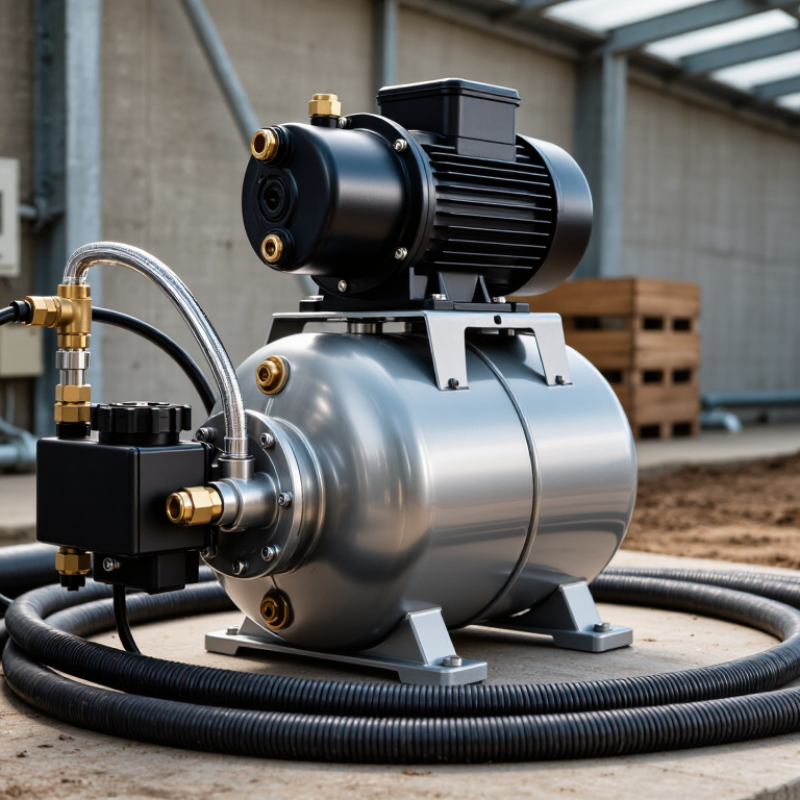
A self-priming water pump can remove air from its suction line without manual priming each time. It usually uses a centrifugal impeller, a sealed pump casing, and an internal liquid reservoir. The retained water helps create the pressure difference needed to lift new water from a lower source.
The process is simple. When the motor starts, the impeller mixes trapped air with water inside the casing. This air-water mixture moves toward the discharge chamber, where air separates and exits through the outlet. Heavier water returns to the priming chamber and repeats the cycle. Once the suction pipe fills, the pump delivers a steady flow. A fully airtight suction line remains essential. Even a small leak can stop self-priming.
In field inspections, I check suction height, pipe length, fittings, and valve condition before judging pump performance. Buyers should also compare flow rate, total head, power supply, casing material, temperature range, and permitted particle size. A pump designed for clean water may struggle with sand or debris. That detail is often missed.
Self-priming does not mean dry-running is safe. Running without enough liquid can damage seals and raise operating temperatures. Installation instructions may vary by region, so local electrical requirements deserve careful review. Performance charts are useful, but real conditions can differ. A longer pipe, warm water, or poor alignment may reduce output. That is where careful testing matters.
For global buyers in 2026, the best self-priming water pump depends on site conditions. Centrifugal pumps suit clean water, drainage, and steady transfer. Diaphragm pumps handle thicker liquids and intermittent flow better. Trash-capable models allow larger solids, but their output may drop. A pump can prime repeatedly. It still needs a sensible suction layout.
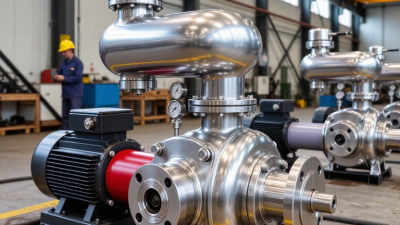
Important components include the volute casing, impeller, mechanical seal, check valve, suction hose, and motor. Inspect these parts before comparing prices. A narrow suction hose can reduce flow sharply. Key specifications include flow rate, total head, maximum suction lift, solids passage, power input, voltage, frequency, and connection size. Ask for tested performance curves, not only catalog numbers. In field work, stated suction lift often feels optimistic. Temperature, air leaks, pipe length, and water quality change results.
Tips: Keep the suction line short, airtight, and gently sloped. Install a foot valve when the system needs stable priming. Confirm electrical standards before ordering internationally. Leave access around the seal and impeller for maintenance. Choose corrosion-resistant materials for aggressive water, but do not assume stainless parts solve every problem. A quieter motor is useful near homes, yet noise ratings may vary between testing conditions. Check local service support and spare-part availability. A perfect pump does not exist; a carefully matched one usually performs better.
| Self-Priming Pump Type | Operating Principle | Typical Flow Range | Typical Head / Pressure | Practical Suction Lift | Solids-Handling Capability | Key Components | Best-Suited Applications | Important Selection Considerations |
|---|---|---|---|---|---|---|---|---|
| Self-Priming End-Suction Centrifugal Pump | A liquid reservoir inside the casing allows the impeller to remove air from the suction line before normal centrifugal pumping begins. | 5–200 m³/h | 10–80 m | Up to approximately 7–8 m | Usually 5–25 mm, depending on impeller and casing design | Volute casing, semi-open or closed impeller, suction and discharge ports, mechanical seal, shaft, bearings, motor, priming chamber, check valve | Water transfer, irrigation, drainage, tank emptying, construction-site dewatering, and general utility service | Confirm the required duty point, suction-pipe diameter, liquid temperature, seal material, and allowable priming time. |
| Self-Priming Trash Pump | A high-clearance impeller and enlarged flow passages permit the pump to handle water containing suspended debris and air. | 20–500 m³/h | 10–45 m | Up to approximately 7–8 m | Approximately 25–100 mm | Heavy-duty casing, semi-open or vortex impeller, wear plate, clean-out cover, mechanical seal, shaft, bearings, engine or motor | Flood control, stormwater, sewage bypass, excavation drainage, agricultural drainage, and emergency dewatering | Use a suction hose with a suitable strainer; larger solids capacity normally reduces hydraulic efficiency and maximum head. |
| Self-Priming Jet Pump | A centrifugal impeller works with a jet nozzle and venturi passage to recirculate water and evacuate air from the suction pipe. | 0.5–10 m³/h | 20–60 m | Up to approximately 8 m | Normally limited to clean water with minimal suspended solids | Impeller, diffuser, jet nozzle, venturi throat, casing, mechanical seal, motor, pressure switch or controller | Domestic water boosting, shallow wells, small irrigation systems, and pressure-water supply | Jet systems can consume additional power because of recirculation; select the nozzle and pressure tank for the actual flow demand. |
| Self-Priming Diaphragm Pump | A flexible diaphragm changes chamber volume while check valves control the suction and discharge flow. | 0.1–15 m³/h | Up to approximately 3–8 bar | Up to approximately 5–9 m | Can handle suspended particles when valve and diaphragm clearances are suitable | Diaphragm, check valves, pump chamber, crank or air actuator, drive motor, pressure regulator, and housing | Metering, low-flow transfer, water treatment dosing, portable systems, and intermittent service | Flow pulsation, diaphragm compatibility, valve maintenance, and maximum operating cycle should be evaluated. |
| Self-Priming Rotary Lobe Pump | Two synchronized lobes trap and move liquid from the inlet to the outlet with low shear and reversible flow capability. | 1–150 m³/h | Up to approximately 10 bar | Up to approximately 7–8 m | Good capability for soft solids and suspended matter, subject to lobe clearance | Two-lobe or multi-lobe rotors, timing gears, casing, shaft seals, bearings, relief valve, gearbox, and motor | Wastewater, sludge transfer, industrial process water, and liquids requiring gentle handling | Requires protection against dry running, excessive pressure, abrasive particles, and unfiltered hard debris. |
| Self-Priming Vortex Pump | A recessed vortex impeller creates a rotating flow pattern that reduces direct contact between solids and the impeller. | 5–120 m³/h | 8–45 m | Up to approximately 7 m | Typically 20–75 mm, depending on hydraulic passage size | Vortex impeller, volute casing, wear components, shaft, bearings, mechanical seal, motor, and priming chamber | Wastewater, drainage water, liquid containing fibrous material, and dirty-water transfer | Vortex designs resist clogging but commonly provide lower efficiency than close-clearance centrifugal impellers. |
| Self-Priming Air-Operated Double-Diaphragm Pump | Compressed air alternately moves two diaphragms, while four check valves create the pumping cycle. | 0.05–60 m³/h | Up to approximately 8 bar | Up to approximately 8 m | Can pass suspended solids when valve seats and passages are correctly sized | Two diaphragms, air-distribution valve, four check valves, fluid chambers, manifold, and air regulator | Portable transfer, contaminated water, intermittent drainage, and locations requiring electrically isolated pumping | Compressed-air quality, pulsation, noise, air consumption, diaphragm material, and freeze protection affect operating cost. |
Note: The values shown are typical engineering ranges for comparison only. Actual performance depends on impeller diameter, motor speed, pipe layout, liquid temperature, elevation, viscosity, solids concentration, and the manufacturer’s certified performance curve.
Choosing the best self-priming water pump in 2026 starts with the job, not the catalog headline. Measure required flow at the discharge point, then calculate total dynamic head. Include vertical lift, pipe friction, elbows, filters, and outlet pressure. A pump rated at 30 m³/h may deliver far less at 25 meters of head. Check its performance curve, not only maximum capacity. Keep a margin of 10–15%, because aging pipes and dirty strainers change real performance.
Suction conditions deserve equal attention. Static suction lift is not the same as total lift. Higher suction increases priming time and may cause cavitation, especially with warm water or long, narrow hoses. Keep the suction line short, airtight, and generously sized. A small air leak can stop priming. It happens. Confirm the pump can handle water temperature, sediment, algae, and suspended particles. Clear tank water differs greatly from muddy construction runoff.
Match materials and seals to water chemistry, then inspect the priming chamber and check valve arrangement. For irrigation, steady flow may matter more than peak flow. For drainage, solids passage and clog resistance usually matter more. Test the pump under real conditions and record flow, pressure, priming time, and motor load. Do not trust a perfect spreadsheet. Field results can disagree. Recheck after one week, when debris collects and the water level falls. This evidence supports a safer, more dependable selection for global operating conditions.
Selecting the best self-priming water pump in 2026 starts with the application, not the catalogue headline. According to UNESCO’s United Nations World Water Development Report 2024, agriculture accounts for roughly 70% of global freshwater withdrawals. Irrigation pumps therefore need stable flow, efficient motors, and reliable operation under dusty, uneven conditions. Construction sites may need portable units instead. Municipal drainage requires stronger solids handling and dependable restart performance.
Define the duty point carefully: required flow, total dynamic head, suction lift, liquid temperature, and particle size. A pump rated for 30 metres of head may deliver far less at the actual flow rate. Check the performance curve, not only the maximum figures. ISO 9906 testing principles can help buyers compare hydraulic performance. The International Energy Agency also highlights motor efficiency as a major energy-saving opportunity across pumping systems. Small efficiency losses become expensive after thousands of operating hours.
Global buyers should confirm voltage, frequency, enclosure protection, corrosion resistance, and local service capacity. Rural installations may face unstable electricity, while coastal sites need better material protection. Fuel-powered equipment requires safe ventilation and responsible emissions management. I have seen selection decisions rely too heavily on suction-lift claims. That can fail in practice. Long suction pipes, leaking foot valves, and hot water reduce priming reliability. Leave a practical margin, but avoid oversized pumps; excessive capacity can increase energy use, pipe stress, and maintenance. Availability of seals, impellers, and trained technicians may matter more than a polished specification sheet.
2026 Best Self Priming Water Pump for Global Buyers?
Installation determines whether a self-priming pump performs reliably. Mount it near the water source, with a short, airtight suction line. Keep the pipe rising steadily toward the pump. Avoid high points where air can collect. Fill the casing before startup, even when the model is self-priming. It still needs initial liquid. The U.S. Department of Energy reports that pumping systems can consume 25% to 50% of industrial facility electricity, so correct pipe sizing can reduce avoidable losses. In practice, installers often underestimate suction-side leaks.
Maintenance should follow operating hours, water quality, and manufacturer limits. Inspect the strainer, mechanical seal, bearings, and electrical connections regularly. Record vibration, noise, flow, and motor current. A simple log can reveal gradual wear. The Hydraulic Institute’s pump guidance emphasizes checking suction conditions and avoiding operation outside the recommended range. Do not run the pump dry. Lock out power before opening the casing or removing guards. Local electrical, plumbing, and drinking-water requirements also apply. Global buyers should verify certification for their installation country.
Troubleshooting begins with symptoms. No flow may indicate trapped air, a blocked suction line, incorrect rotation, or an unfilled casing. Repeated loss of prime often points to a loose joint or damaged check valve. Gravel-like noise suggests cavitation or insufficient inlet pressure. Stop the pump quickly. Continuing to operate it can damage the impeller and seal. The World Health Organization’s drinking-water guidance also supports using suitable materials and preventing contamination. My practical concern is simple: maintenance schedules look perfect on paper, but harsh water and rushed inspections still change real results.
Installation, maintenance, safety, and troubleshooting reference: theoretical suction-lift limits decrease as elevation increases. Actual pump performance is lower because of pipe friction, air leakage, water temperature, and pump design.
How to use this chart: Select a self-priming pump with sufficient performance margin below the theoretical limit. Keep suction piping short and airtight, use a correctly sized foot valve or strainer, inspect seals regularly, and stop the pump if abnormal noise, overheating, vibration, or loss of prime occurs.
Copyright © 2025. Rotech Pumps & Systems Inc. All rights reserved.