2026 Top Types of Pumps You Need to Know About?
Understanding the various types of pumps is essential for many industries. In 2026, the demand for effective pumping solutions continues to rise. From water management to chemical processing, each domain requires specific types of pumps that suit its unique needs.
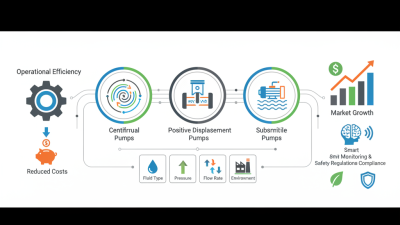
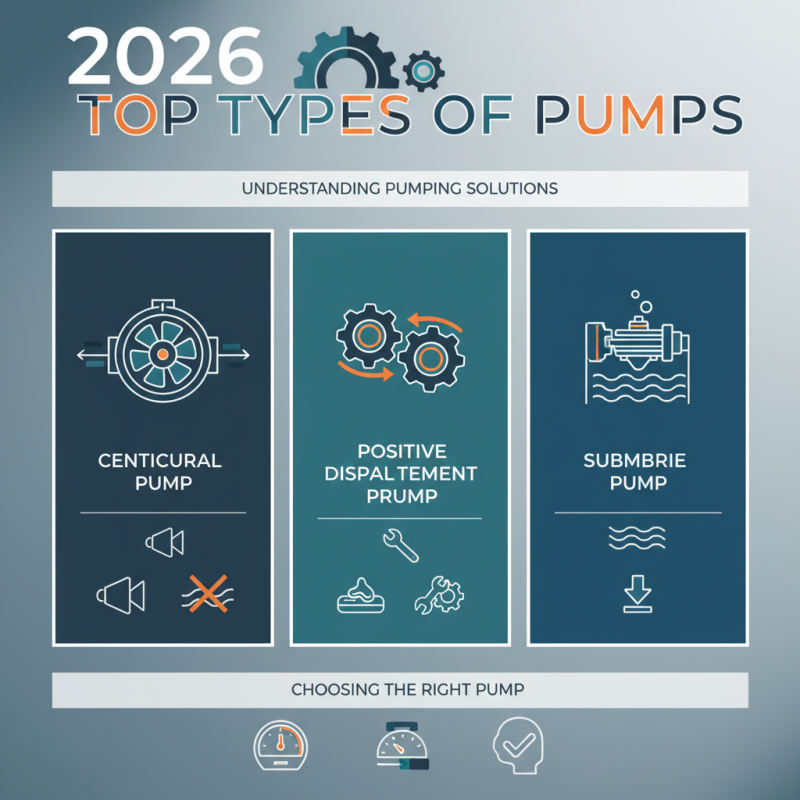
The landscape of pumping technology is vast. There are centrifugal, positive displacement, and submersible pumps, among others. Each type serves different purposes and offers distinct advantages. For instance, centrifugal pumps are ideal for moving large volumes of liquids quickly. However, they may struggle with viscous fluids. Positive displacement pumps excel in handling thick substances but can be more complex to maintain.
Choosing the right type of pump is crucial yet challenging. Many overlook factors like pressure requirements and flow rates. This oversight can lead to inefficiencies. By exploring the top types of pumps, users can make informed decisions. This knowledge helps avoid costly mistakes and ensures optimal performance in various applications.
Overview of Pump Types in 2026
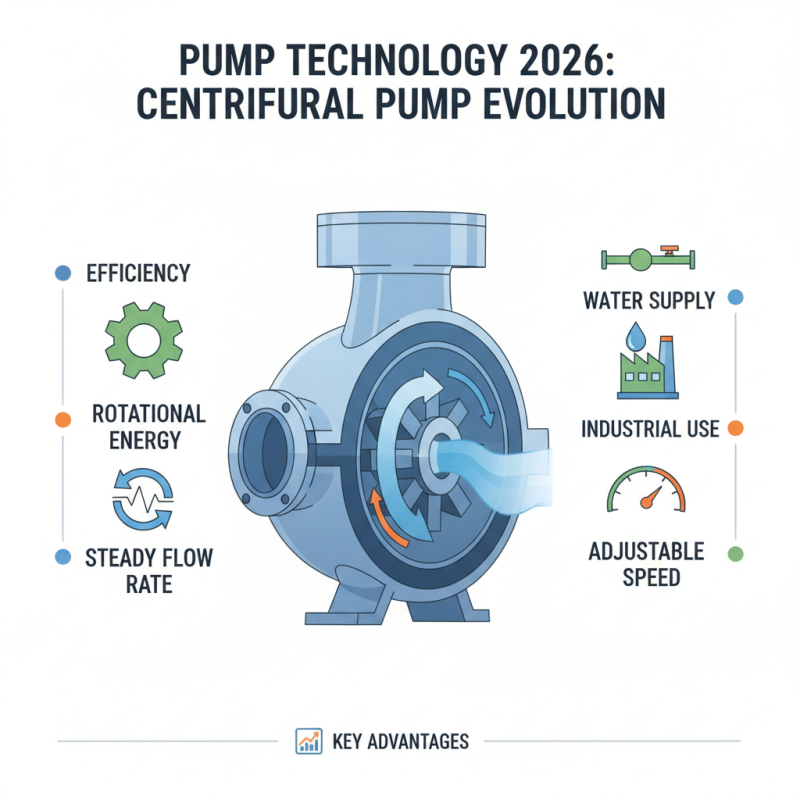
In 2026, the landscape of pump technology continues to evolve. Centrifugal pumps are popular for their efficiency. These pumps use rotational energy to move fluids. They are commonly found in water supply systems and industrial applications. Their design allows for a steady flow rate, which can be adjusted by varying the speed.
Positive displacement pumps are also prominent. They work by trapping a fixed amount of fluid and forcing it through the system. This design is ideal for applications requiring precise volume control. One drawback is their tendency to generate higher pressures, which can lead to wear over time. Understanding these challenges is crucial.
Diaphragm pumps make a strong entry this year. They are known for handling abrasive materials. Their segmented structure reduces leaks and improves durability. Still, they may not be suitable for all viscosities. Operators need to weigh the pros and cons. Recognizing the right pump for the application is key to performance and sustainability.
Key Applications of Pumps in Various Industries
Pumps play a vital role in various industries, enabling the movement of liquids and gases. In the chemical industry, pumps are essential for transporting corrosive materials. They ensure that these substances reach their destination safely. This sector relies heavily on reliable pumping systems to prevent leaks and protect workers.
In agriculture, pumps are used for irrigation purposes. This helps farmers distribute water efficiently. However, sourcing water can be challenging, especially in drought-prone areas. Adaptations in pump technology can make a significant difference in crop yields. It’s crucial to consider both the efficiency and sustainability aspects of irrigation systems.
The oil and gas industry utilizes pumps to extract and transport fluids from deep underground. These processes can be complex and risky. Mismanagement or equipment failure can lead to severe environmental issues. Thus, ongoing maintenance and innovation are necessary to minimize such risks. Finding the right balance between efficiency and safety remains a challenge for many operators.
2026 Top Types of Pumps You Need to Know About
| Pump Type |
Key Applications |
Typical Industry |
| Centrifugal Pump |
Water supply, HVAC systems, Chemical processing |
Manufacturing, Oil & Gas, Water Treatment |
| Positive Displacement Pump |
Viscous fluid transfer, Metering applications |
Food & Beverage, Pharmaceutical, Petrochemical |
| Diaphragm Pump |
Chemical dosing, Slurry handling |
Water Treatment, Mining, Chemical |
| Gear Pump |
Fuel transfer, Lubrication |
Automotive, Manufacturing, Oil & Gas |
| Screw Pump |
Heavy fuel transfer, Wastewater |
Marine, Waste Management, Oil & Gas |
Innovative Technologies Shaping Pump Design
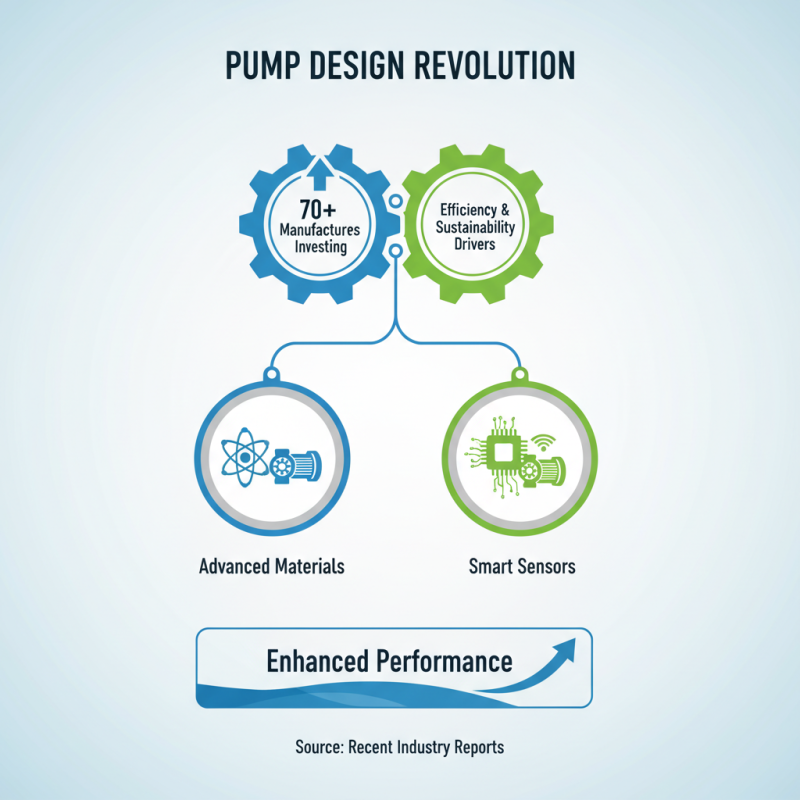
Innovative technologies are transforming pump design rapidly. According to recent industry reports, over 70% of pump manufacturers are investing in new technologies to enhance performance. This shift is driven by the need for efficiency and sustainability. Advanced materials and smart sensors are at the forefront of this change.
For instance, lightweight composites are being used to reduce weight while increasing durability. A study suggested that pumps made from these materials can last up to 30% longer than traditional metal pumps. Additionally, smart pumps equipped with IoT technology allow for real-time monitoring. This leads to predictive maintenance and reduced downtime.
However, challenges remain. Integrating these technologies can be costly. Some companies face resistance to change from traditional practices. User training for new systems also needs to be addressed. Industry experts emphasize the importance of balancing innovation with practicality. As the sector evolves, the focus must be on creating not just advanced but also user-friendly solutions.
Factors to Consider When Choosing a Pump
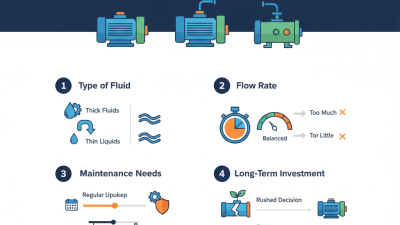
When choosing a pump, consider several key factors. The type of fluid is essential. For example, water, oil, and chemicals require different materials and designs. According to industry reports, around 37% of pumps are used for water transfer.
Flow rate is another critical factor. Ensure the pump meets the required flow for your application. A poorly chosen pump can result in inefficiencies and increased operational costs. It is often suggested to calculate your peak demand and increase flow capacity by 20-30%.
Tip: Always assess the environmental conditions. Pumps exposed to harsh conditions might wear out quickly. Maintenance plays a crucial role here.
Also, consider the total cost of ownership. This includes not just the purchase price, but also energy consumption, maintenance costs, and potential downtime. Some studies show that energy costs can account for up to 90% of the lifetime cost of a pump.
Tip: Look for energy-efficient models. They may have a higher upfront cost but can save significantly long-term.
Keep these factors in mind for a well-informed decision. When selecting a pump, it’s worth consulting with experts.
Maintenance Best Practices for Optimal Pump Performance
Maintenance is crucial for optimal pump performance. Regular upkeep can prevent unexpected breakdowns. Start by checking the seals and gaskets. They are often the weakest links in pump systems. A small leak can lead to significant issues over time. Always inspect for wear and replace them when necessary.
Regular oil and fluid checks are essential. Low levels can cause overheating. Make it a habit to monitor temperatures during operations. If the pump is too hot, it may indicate underlying problems. Vibration analysis is another important practice. Excessive vibrations can signal misalignment or imbalance.
Don't forget about cleaning. Dirt and debris can clog filters and reduce efficiency. You should create a maintenance schedule. Document inspections and repairs meticulously. This can help you spot patterns over time. Reflect on what methods are effective and which are not. Continuous improvement in your practices will ensure longevity and reliability of your pumps.
2026 Top Types of Pumps You Need to Know About
This chart displays the estimated market share of different types of pumps in 2026, indicating the popularity and application relevance of various pumping technologies.