Why Choose an Electric Water Pump: Top Benefits and Considerations
When it comes to managing water supply in various applications, the choice of equipment is pivotal, and an electric water pump emerges as a top contender. The increasing demand for efficient water management solutions has led many homeowners and professionals alike to consider the electric water pump as a viable option. This innovative piece of equipment offers a multitude of benefits that set it apart from traditional manual pumps and fuel-based systems. By understanding the top benefits and essential considerations surrounding the use of an electric water pump, users can make informed decisions that enhance their water handling efficiency and resource management.
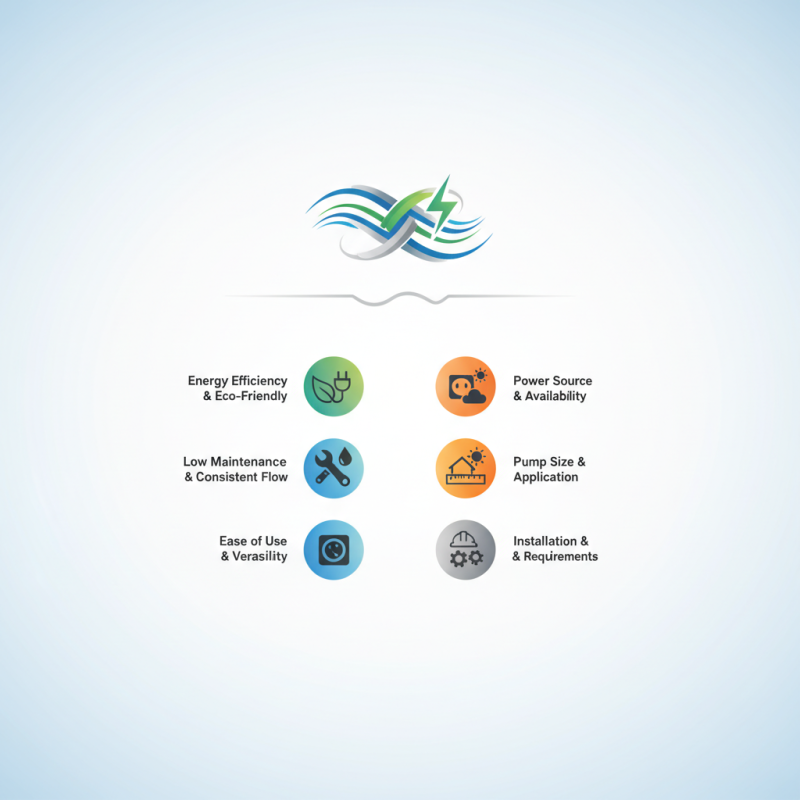
The advantages of electric water pumps extend beyond mere convenience. These pumps are designed to provide reliable performance with minimal energy consumption, making them an environmentally friendly choice. Additionally, their ease of use, low maintenance requirements, and consistent water flow make them suitable for a wide range of applications—ranging from residential gardening to industrial operations. However, potential users must also consider factors such as power source availability, pump size, and installation requirements to ensure that their choice aligns with specific needs and conditions. By weighing these aspects, individuals can harness the full potential of electric water pumps for their unique requirements.
Introduction to Electric Water Pumps: Overview and Functionality
Electric water pumps have become increasingly popular for various applications due to their efficiency and convenience.
These pumps function by converting electrical energy into mechanical energy to move water from one place to another.
They are commonly used in households for irrigation, water supply, and drainage, playing a critical role in maintaining water availability and managing resources effectively.
When selecting an electric water pump, it’s essential to consider the flow rate, the head height, and the power requirements.
Understanding these factors will help ensure you choose a model that meets your specific needs without wasting energy.
Additionally, opting for a pump with durable materials and good insulation can enhance its longevity and reduce maintenance needs.
Tips: Always check the pump's specifications against your water supply requirements to avoid underperformance.
Regularly inspect your electrical connections and filters to ensure optimal functionality.
Moreover, consider investing in a pump with an automatic shut-off feature for added safety and energy efficiency.
Key Benefits of Using Electric Water Pumps in Various Applications
Electric water pumps have become increasingly popular in various applications due to their
efficiency and versatility. One of the
key benefits of using electric water pumps is their energy efficiency.
Unlike gas-powered pumps, electric pumps consume less energy, leading to lower operating costs over time.
This makes them an excellent choice for
residential use, agricultural irrigation, and industrial processes,
where a continuous water supply is crucial.
Another significant advantage is their low maintenance requirements. Electric water pumps have fewer moving parts
compared to their gasoline counterparts, which translates to reduced wear and tear. This durability ensures that
they can operate longer without the need for frequent repairs or servicing. Furthermore, electric pumps are
quieter, making them an ideal option for use in urban
areas where noise pollution is a concern.
Tips: When selecting an electric water pump, consider the
flow rate and
head requirements specific to your application to ensure
optimal performance. Additionally, always check
for energy efficiency ratings to minimize operational costs. Regularly inspect power connections and pump filters
to maintain high efficiency and prolong the lifespan of your pump.
Considerations for Selecting the Right Electric Water Pump
When selecting the right electric water pump, several key considerations should be at the forefront of your decision-making process. First, assess the specific water supply needs based on flow rate, pressure, and the intended application—be it irrigation, domestic use, or industrial needs. According to a report by the American Water Works Association, the average household can benefit from pumps that deliver a flow rate of 5 to 10 gallons per minute, ensuring adequate supply for daily tasks. It’s crucial to choose a pump that matches these requirements to optimize efficiency and avoid unnecessary energy consumption.
In addition to performance metrics, the pump's energy efficiency and durability should also influence your choice. Look for units that are rated for high efficiency—pumps often boast energy efficiency ratings of up to 85%, significantly reducing utility costs over time. A well-built electric water pump should feature corrosion-resistant materials to enhance lifespan, especially for applications involving saline or chemically treated water.
Tips: Always consider the noise level of the pump, especially for residential use, as some electric models operate more quietly than others. Regular maintenance checks can also prolong the life of your pump, reducing the risk of costly repairs. Finally, ensure that the pump includes a reliable warranty, which can offer additional peace of mind and support.
Comparing Electric Water Pumps with Traditional Pumps: Pros and Cons
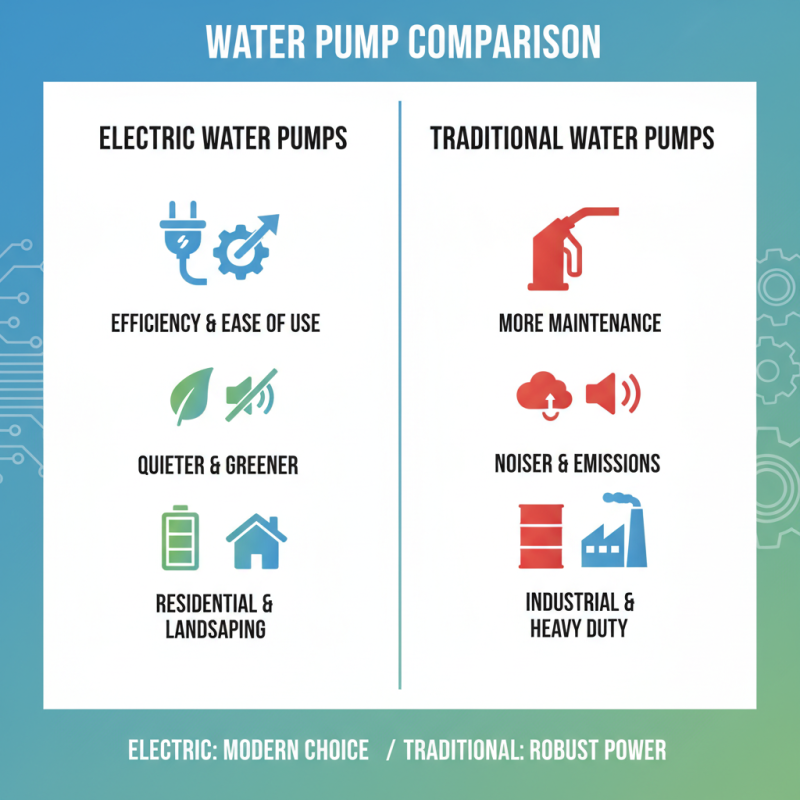
When comparing electric water pumps with traditional pumps, several key differences emerge, highlighting the advantages and disadvantages of each type. Electric water pumps are known for their efficiency and ease of use. They typically require less maintenance than traditional pumps, which often depend on gasoline or diesel engines. Moreover, electric pumps operate more quietly and produce fewer emissions, making them an environmentally friendly choice. Availability of power outlets in modern settings also facilitates the ease of deployment for electric pumps, leading to their growing popularity in residential and landscaping applications.
On the flip side, traditional pumps still hold their ground in certain scenarios, primarily in terms of power and mobility. Gas-powered pumps can generate higher pressure and flow rates, making them suitable for heavy-duty tasks such as construction sites or agricultural needs where electricity may be scarce. Additionally, traditional pumps do not require an electrical source, which makes them portable and useful in remote locations. However, they come with their own set of drawbacks, including higher operational noise, fuel costs, and the need for regular maintenance to keep engines running effectively. When deciding between the two, users must weigh these pros and cons based on their specific needs and project requirements.
Maintenance Tips for Ensuring Optimal Performance of Electric Water Pumps
To ensure optimal performance of electric water pumps, regular maintenance is essential. One of the primary aspects of maintenance is to keep the pump clean. Dust, debris, and sediment can accumulate around the pump and in the intake filters, reducing efficiency and causing overheating. Regularly checking and cleaning these components will help maintain effective operation and extend the pump's lifespan. Additionally, inspecting hoses and connections for leaks or cracks can prevent loss of water flow and maintain necessary pressure levels.
Another important maintenance consideration is lubricating moving parts as recommended by the manufacturer. This step is often overlooked but is crucial for reducing wear and tear. Proper lubrication minimizes friction, which can lead to mechanical failures if neglected. Checking the electrical components and ensuring that connections are secure and free of corrosion will also help prevent unexpected breakdowns. Regular checks and appropriate cleaning routines contribute significantly to the reliable and efficient performance of electric water pumps, ensuring they operate as intended when needed most.