Best Aluminium Profile Bending Techniques for Global Buyers?
Aluminium Profile Bending is a crucial technique in the manufacturing and construction industries. It involves shaping aluminium profiles into desired curves and angles. This process is essential for creating various structures, from elegant architectural designs to functional industrial components. Buyers globally seek efficient and reliable methods for bending aluminium profiles.
Understanding the best bending techniques can save time and resources. However, not all methods are equally effective. Each technique has its pros and cons, often dependent on the specific project requirements. Buyers need to evaluate their choices carefully. Selecting the right equipment can significantly impact the final product's quality.
In this rapidly evolving market, exploring new innovations is vital. Traditional methods may not meet today's demands. Emerging technologies offer improved precision and efficiency. However, they also require investment and training. Thus, buyers must weigh the benefits against the potential challenges. This reflection can lead to better decision-making and enhanced overall performance in aluminium profile bending.
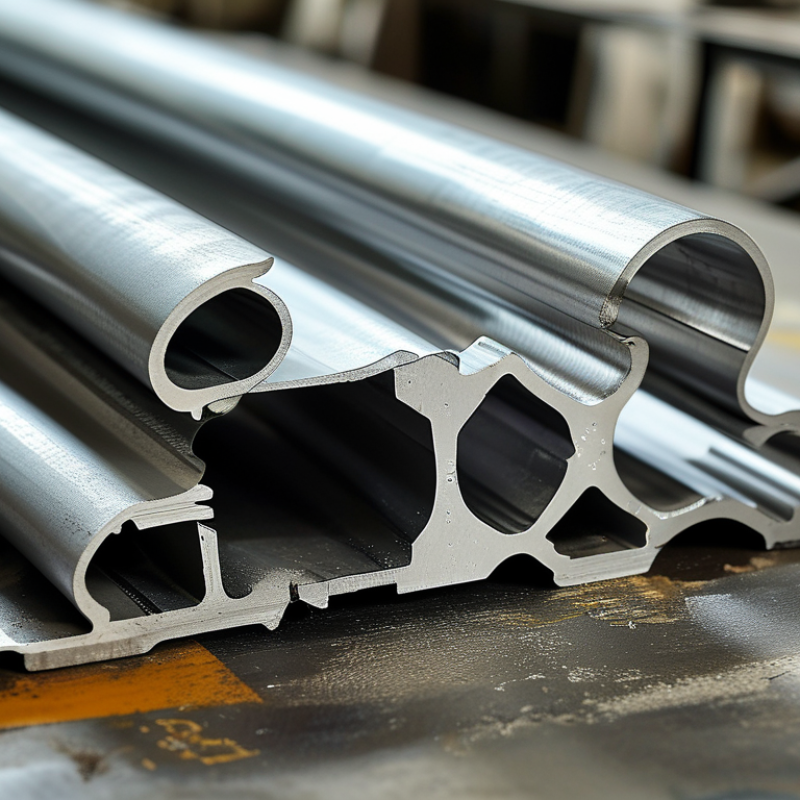
Introduction to Aluminium Profile Bending Techniques
Aluminium profile bending is an essential manufacturing process. This technique transforms flat aluminium sheets into functional shapes. Understanding bending methods is crucial for effectively meeting project requirements.
Different techniques exist for bending aluminium profiles. The most common include rotary draw bending, press brake bending, and stretch bending. Each method has unique advantages, suitable for various applications. The choice of technique often depends on the desired angle and radius.
Tips: Consider the thickness of the material before selecting a bending technique. Thicker profiles may require more powerful equipment. Always test the bending process on scrap pieces first. This ensures accuracy and reduces waste. Maintaining the right temperature during bending can prevent cracks.
Also, reflect on the design’s complexity. Intricate designs may pose challenges and require adjustments in techniques. Flexibility in processes can enhance the quality of bends and reduce the likelihood of defects. Keep in mind that even experienced professionals learn from every project.
Types of Aluminium Profiles Suitable for Bending
When considering aluminium profiles for bending, several types are particularly suitable. Commonly used profiles include channels, angles, and tubes. Their shapes allow for diverse applications across industries. According to the Aluminium Association, the structural integrity of these profiles makes them ideal for bending without compromising strength. For instance, extruded aluminium channels are often preferred due to their ease of manipulation.
Angles, which can range from 90 to 180 degrees, offer versatile bending options. They are popular in construction and manufacturing sectors. Data from the International Aluminium Institute highlights that around 30% of aluminium production is utilized in building applications. This underscores the significance of using proper bending techniques to maintain their properties.
While bending aluminium profiles, one key consideration is the radius of the bend. A smaller radius may lead to cracking or deformation. It's crucial to balance aesthetics with functionality. Industry reports indicate that improper bending can result in wasted materials, which could potentially increase project costs by up to 15%. Evaluating these factors helps in choosing the most suitable bending techniques for different aluminium profiles.
Best Aluminium Profile Bending Techniques for Global Buyers
| Profile Type | Bending Technique | Applications | Advantages | Limitations |
| Standard Rectangular | Roll Bending | Furniture, Framework | Versatile, Cost-effective | Limited to gentle bends |
| T-Slot Profile | Press Bending | Workstations, Racks | High strength, Precise bends | Higher cost, Setup time |
| Angle Profile | Brake Bending | Structural Applications | Strong, Easy to work with | Limited to fixed angles |
| Round Profile | Mandrel Bending | Pipes, Railings | Smooth curves, High strength | Complex setup, Costly |
| Channel Profile | Hydraulic Bending | Trailers, Beams | Sturdy, Good load-bearing | Weight considerations |
Essential Tools and Equipment for Aluminium Bending
Aluminium bending requires specific tools and equipment to achieve precise results. An essential tool is the aluminium bending machine, which comes in various types. A hydraulic press brake is excellent for creating sharp bends. Meanwhile, a rotary draw bender is suitable for larger, more complex shapes. These machines can handle different thicknesses and profiles effectively.
Understanding the tools is critical for optimal results. Regularly check your equipment for wear and tear. Blade dullness can lead to uneven bends. Tips for maintaining your machines include cleaning them after each use and lubricating moving parts. This simple practice prolongs the life of your tools.
Another vital aspect of aluminium bending is the quality of dies. Custom dies often yield better results than standard ones. Sometimes, the choice between standard and custom can be challenging. Experimenting with both can refine your bending process. Keep records of your settings and results. This will help you identify what works best over time. Adjustments may be necessary as material properties change.
Step-by-Step Guide to Bending Aluminium Profiles
Bending aluminium profiles requires precision and the right techniques. Many buyers face challenges due to the material's unique properties. It is crucial to understand how to manipulate aluminum without compromising its strength.
One effective technique involves using a hydraulic press. This method applies consistent pressure, allowing for smooth bends. According to industry reports, using a press can reduce material waste by 15%. Another technique is to employ a bending machine with adjustable angles. Operators must be well-trained to ensure accuracy. A study showed that improper bending can lead to defects in 10% of the produced profiles.
Careful consideration of the alloy type is important as well. Different alloys respond differently to bending processes. For example, 6061 aluminum is often preferred for its ductility. Some buyers overlook these details, leading to production delays. Regular training and adherence to best practices can help mitigate these issues. Engaging in discussions with industry experts provides valuable insights into optimizing bending techniques.
Common Challenges and Solutions in Aluminium Profile Bending
Aluminium profile bending presents unique challenges for manufacturers. Understanding these difficulties can lead to effective solutions. Common problems include material properties and bending radius. A report by the Aluminium Association indicates that improper bending can lead to failures in structural integrity. This issue is often caused by inadequate equipment or poorly trained personnel.
For successful bending, ensuring the right temperature is crucial. Aluminium behaves differently at varying temperatures, which can affect the bend quality. A study published in the Journal of Manufacturing Science reveals that maintaining an optimal temperature can reduce the occurrence of defects by 30%.
Tips: Invest in training your staff. Knowledgeable operators are key to high-quality outcomes. Regular maintenance of bending machines can also help avoid unexpected failures. Don't overlook the importance of using the proper dies—they must match the profile for efficient bending. Reflection and adaptation are important; assess your processes regularly for
continuous improvement.