Best Aluminum Profile for Pergola How to Choose the Right One?
Choosing the right aluminum profile for pergola construction is crucial for durability and aesthetics. The pergola market is expected to grow significantly in the coming years, with an increase in demand for lightweight and corrosion-resistant materials. According to a recent industry report, the use of aluminum profiles in outdoor structures has surged by over 30% in the last five years.
Aluminum profile for pergola offers numerous advantages. Its lightweight nature allows for easy handling and installation. Additionally, aluminum is naturally resistant to rust and weathering, ensuring longevity. This makes it a preferred choice among builders and homeowners. However, not all aluminum profiles are created equal. Understanding the specific requirements of your pergola can be challenging. Many users overlook critical factors like thickness, finish, and design compatibility.
Selecting the right aluminum profile involves more than just aesthetics. It requires balancing form and function. Some profiles may look appealing but lack structural support. It’s essential to consider the environmental factors where the pergola will be placed. An informed choice can lead to a better outdoor experience. In this guide, we will explore the key aspects to consider when selecting the perfect aluminum profile for your pergola.
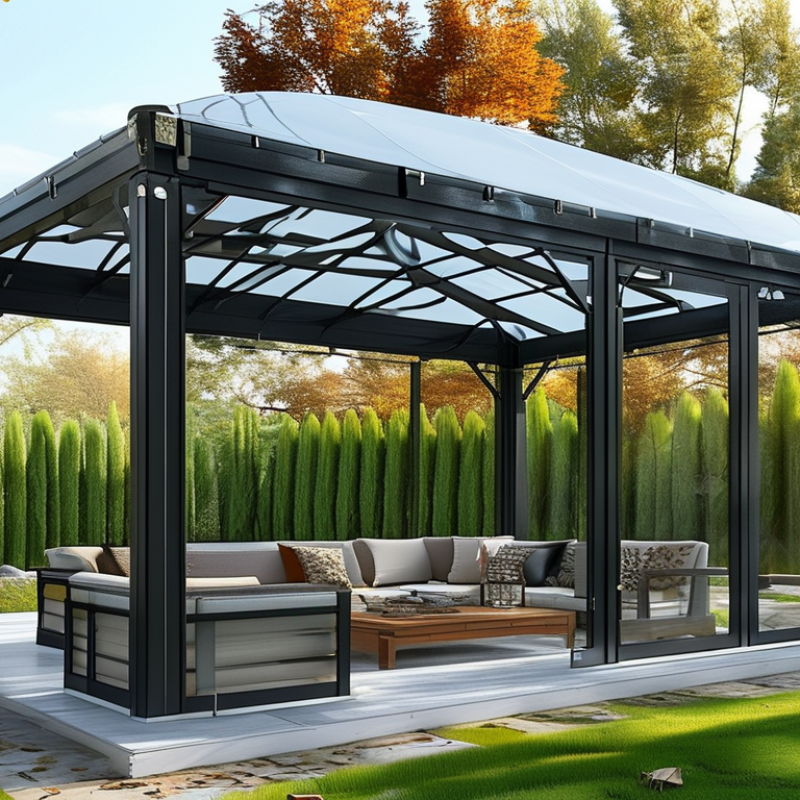
Factors to Consider When Choosing Aluminum Profiles for Pergolas
Choosing the right aluminum profile for your pergola is crucial. Several factors come into play. The profile’s size and thickness affect both its strength and aesthetic appeal. Larger profiles can handle more weight but may look bulky. Thinner profiles are sleek but could lack durability.
Consider the weather conditions in your area. Humidity and wind can affect the integrity of your structure. For instance, if you live in a storm-prone area, opt for a more robust profile. A porous or uncoated aluminum may corrode over time. Think about finishes as well. Powder-coated surfaces resist fading and scratching better than standard finishes.
Tips: Always prioritize corrosion resistance if your pergola is in a wet environment. Get samples to visualize how different profiles will look in your space. Outdoor aesthetics matter; choose a profile that complements your home and garden style.
Types of Aluminum Profiles Suitable for Pergola Construction
Choosing the right aluminum profile for your pergola is crucial. Various types of aluminum profiles provide different benefits. Common options include square, rectangular, and round profiles. Each option has unique strength and aesthetic qualities. According to industry reports, rectangular profiles are often preferred for strength in supporting heavy loads.
Consider the thickness of the aluminum. Thicker profiles offer greater durability. A report by the Aluminum Association highlights that profiles with a thickness of at least 1.5mm provide strong resistance against environmental factors. However, selecting a profile that is too thick can make installation challenging.
Tips: Always evaluate your local climate. High winds or heavy snowfall require sturdier profiles. Keep an eye on the finish as well. Powder-coated finishes enhance corrosion resistance. Be cautious, though: not all coatings are created equal.
Choosing the best profile involves weighing these considerations. Many users may overlook the importance of proper drainage in their designs. Aluminum profiles can bend if not properly supported, especially in wet climates. It’s essential to ensure that water runoff is effectively managed.
Best Aluminum Profile for Pergola - Types of Aluminum Profiles Suitable for Pergola Construction
| Profile Type | Dimensions (mm) | Weight (kg/m) | Application | Corrosion Resistance |
| Square Profile | 40 x 40 | 1.5 | Pergola frames | High |
| Rectangular Profile | 50 x 30 | 2.0 | Rafters and beams | Very High |
| L-Shape Profile | 40 x 20 | 1.2 | Support structures | Medium |
| Z-Shape Profile | 60 x 20 | 2.5 | Roofing elements | High |
| T-Shape Profile | 40 x 40 | 1.8 | Wall connections | Very High |
Comparing Durability and Maintenance of Aluminum Profiles
Choosing the right aluminum profile for your pergola is essential. Durability is a key element when comparing profiles. Aluminum is known for its strength and resistance to weather. However, not all aluminum profiles are created equal. Some might corrode quicker than others. This is especially true in coastal areas where salt exposure is high.
Maintenance also plays a vital role. While aluminum profiles require less upkeep than wood, they still need attention. Regular cleaning helps maintain their appearance and lifespan. If left neglected, dirt and stains can accumulate. Use a gentle soap and water solution for cleaning.
Tips: Look for profiles with a good enamel coating. This enhances resistance to scratches and fading. Consider profiles with thermal breaks for better energy efficiency. Seek advice from professionals with extensive experience in outdoor construction. Their insights can provide valuable guidance. Always weigh the long-term benefits against initial costs. Each choice affects your overall satisfaction.
Durability and Maintenance Comparison of Aluminum Profiles for Pergolas
Design and Aesthetic Considerations for Aluminum Pergola Profiles
When selecting an aluminum profile for a pergola, design and aesthetics play crucial roles. The shape, color, and finish of the aluminum can dramatically affect your outdoor space. Opting for profiles with clean lines can create a modern and streamlined look, while ornate designs may add classic charm. A well-chosen profile complements not just the pergola, but also the surrounding architecture.
Color is another critical aspect. Neutral tones, such as white or gray, blend seamlessly with nature. Brighter colors can make a bold statement, attracting attention to your outdoor area. Consider the surrounding plants and structures. The profile should harmonize with the overall landscape. Many people overlook these details and choose solely based on price. This can lead to a mismatch that detracts from overall appeal.
Texture also impacts visual interest. Smooth finishes exude a contemporary feel, while brushed or matte surfaces can add depth. Balancing aesthetic preferences with practical considerations, like resistance to weather, is essential. Make sure the chosen profile not only looks great but also stands the test of time. Reflecting on your choices can lead to a more satisfying outdoor environment.
Cost Analysis: Budgeting for Aluminum Profiles in Pergola Projects
When budgeting for aluminum profiles in pergola projects, it’s crucial to understand the cost factors involved. Aluminum profiles offer durability and versatility, but the expenses can vary widely. Industry reports indicate that the average cost per linear foot for aluminum profiles ranges between $5 and $15. This variability hinges on quality, thickness, and design complexity.
In addition to material costs, consider fabrication and installation expenses. Labor can account for 30% to 50% of the total budget. The intricacy of the pergola design influences labor needs significantly. For example, custom shapes and sizes may lead to higher labor costs. Simplistic designs typically require less time and effort, which can help manage expenses.
Analyzing long-term value is equally valuable. Aluminum is resistant to rot and corrosion, promising longevity. Yet, investing upfront can be daunting. Reports indicate that upfront costs might be 25% higher for aluminum compared to wood. Weigh this against the future savings on maintenance and replacement. Balancing the immediate budget with the long-term benefits can often feel challenging. Reflecting on these aspects might help ensure a more informed decision.