Best Bag Wrapping Machine for Efficient Packaging Solutions?
In today’s fast-paced market, efficiency is crucial. Companies strive for better packaging solutions to meet customer demands. A high-quality Bag Wrapping Machine can significantly improve this process. With various options available, selecting the right one can feel overwhelming.
Choosing a Bag Wrapping Machine requires careful consideration of several factors. Speed, durability, and maintenance play vital roles. Businesses often overlook these aspects, leading to wasted resources. A reliable machine saves time and enhances product presentation. However, not all machines fit every business's needs.
Investing in a Bag Wrapping Machine involves understanding specific requirements. Each product type may need a different wrapping solution. Potential buyers should evaluate their workflow and packaging volume. Finding the best machine means balancing efficiency and cost. Challenges can arise, like technical issues or finding the right supplier. Through informed decisions, companies can secure a machine that enhances their packaging efficiency.
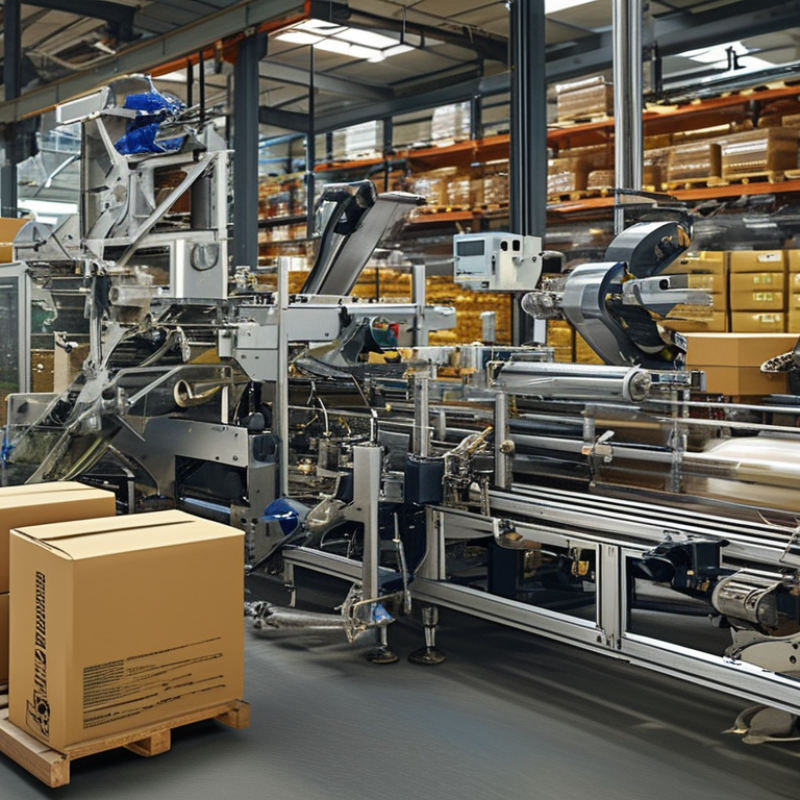
Types of Bag Wrapping Machines Available in the Market
Bag wrapping machines come in various types, each designed for specific packaging needs. Common types include automatic, semi-automatic, and manual machines. Automatic bag wrappers are ideal for high-volume production, offering speed and precision. They are often equipped with advanced sensors that ensure proper sealing and reduced waste. Semi-automatic machines bridge the gap between manual and automatic, providing flexibility for medium-scale operations.
A crucial consideration is the type of bags these machines can handle. Some are designed for flat bags, while others accommodate gusseted or side-sealed bags. The adaptability of a machine can significantly influence efficiency. According to a recent industry report, the bag wrapping machine market has grown by 8.5% annually, reflecting increasing demand for efficient packaging solutions.
When choosing a bag wrapping machine, consider the following tips. Assess your production volume and product dimensions. This analysis helps select a machine that can efficiently meet your needs. Additionally, prioritize ease of use and maintenance. Training staff should be straightforward, minimizing downtime. Moreover, stay updated on industry advancements, as continuous innovation can enhance your packaging processes. Aim for a machine that evolves with market demands for long-term benefits.
Best Bag Wrapping Machine for Efficient Packaging Solutions
| Machine Type | Speed (bags/min) | Bag Size Range (cm) | Power Supply (kW) | Features |
| Automatic Horizontal Wrapping | 40 | 10 - 30 | 2.5 | PLC control, adjustable width |
| Semi-Automatic Vertical Wrapping | 20 | 5 - 25 | 1.5 | User-friendly interface, compact |
| Fully Automatic Rotary Wrapping | 60 | 8 - 40 | 3.0 | High-speed, multi-function |
| Manual Bagging Machine | 10 | 15 - 35 | 1.0 | Cost-effective, portable |
| Shrink Wrapping Machine | 30 | 10 - 50 | 2.0 | Versatile, heat-shrink |
Key Features to Consider When Choosing a Bag Wrapping Machine
When choosing a bag wrapping machine, there are key features to consider. The speed of the machine is crucial for high-volume operations. A faster machine increases productivity and helps meet demand. Adjustability is another important factor. Different products require different wrap sizes, so select a machine with customizable options.
Durability plays a role in long-term use. Machines made from high-quality materials may withstand wear and tear better. Look for machines with solid construction.
Ease of use is also vital. An intuitive interface allows operators to work efficiently, reducing training time. Tips: Assess the machine's maintenance requirements before making a choice. Some models may need more frequent servicing, impacting operational efficiency.
Additionally, consider energy consumption. A machine that conserves energy can reduce overhead costs significantly. Don't overlook compatibility with existing packaging systems. Ensure seamless integration to avoid workflow disruptions.
Benefits of Using Bag Wrapping Machines for Packaging Efficiency
Bag wrapping machines are essential in modern packaging lines. They enhance productivity and improve product presentation. According to a 2021 report from Packaging Strategies, using these machines can increase packaging speed by up to 40%. This efficiency attracts more consumers and reduces labor costs.
The benefits extend beyond just speed. Bag wrapping machines ensure consistent sealing, reducing product spoilage. A study by the Packaging Institute highlighted that well-sealed packages could decrease waste by over 30%. Moreover, these machines require minimal manual labor, allowing skilled workers to focus on quality control. However, many businesses grapple with the initial investment and maintenance costs. They must weigh these costs against potential long-term savings.
Another consideration is adaptability. Not all machines fit every product. Some products require specific wrapping techniques for optimal protection. As a result, companies might need to reevaluate their processes frequently. This reflection is crucial for long-term success when adopting new technologies in packaging.
Comparative Analysis of Leading Bag Wrapping Machine Brands
The bag wrapping machine market offers various options designed for efficient packaging. When analyzing different brands, certain aspects stand out. Speed, reliability, and versatility are essential features to consider. A machine’s processing speed can significantly impact productivity. However, faster isn’t always better; a balance between speed and precision is crucial for quality packaging.
**Tips:** Assess your specific packaging needs fully. Understanding your product dimensions and types allows for smarter decisions. Often, machines have specific limitations. Choosing one that fits your requirements ensures fewer operational hiccups.
Durability is another critical factor. Heavy-use environments require machines that withstand wear and tear. While some brands may promote toughness, real-world testing often tells a different story. Users frequently discover that what is marketed does not align with actual performance.
**Tips:** Read user reviews and testimonials. Gaining insights from real experiences offers a better perspective on longevity. Also, factor in maintenance requirements. Machines that are easier to maintain could save time and costs in the long run. Keep the balance between initial investment and ongoing expenses in mind while evaluating options.
Maintenance Tips for Ensuring Longevity of Bag Wrapping Machines
Bag wrapping machines are vital in the packaging industry. Their efficiency impacts operations significantly. Maintaining these machines ensures they remain functional and reliable over time. Industry reports indicate that proper maintenance can extend the lifespan of these devices by up to 50%. This is crucial considering the investment involved in purchasing them.
Regular inspections should include checking sealing mechanisms, lubrication, and alignment. Even minor misalignments can lead to product waste and increased downtime, affecting profits. Reports show that unmaintained machines can cause up to a 30% increase in operational costs due to inefficiencies. Scheduled cleaning is equally essential. A buildup of dust and debris can hinder performance, impacting overall efficiency. Ignoring this can lead to significant breakdowns.
Operators should also receive adequate training. They need to understand machine functions and identify potential issues early. This proactive approach can prevent costly repairs and extend machine life, fostering a culture of responsibility in the workplace. Implementing maintenance logs can help track activities and highlight areas needing attention. This oversight ensures that the bag wrapping machines operate optimally, enhancing productivity.