Best Electronic Voltage Stabilizer for Global Buyers?
In today’s electronic landscape, stability is crucial. An Electronic Voltage Stabilizer serves a vital role in protecting devices. Fluctuating voltage can damage sensitive electronics. A stabilizer ensures a consistent voltage supply. This is essential for both home and industrial applications.
Many global buyers face challenges in selecting the best Electronic Voltage Stabilizer. Options are plentiful, and quality varies. Some products promise a lot but fail to deliver. Understanding the specific needs of your devices can be overwhelming. That’s where expert guidance comes into play. Reliable reviews and comparisons can help.
Choosing the right stabilizer involves some trial and error. Users may need to reconsider their choices based on actual performance. It requires careful research and evaluation. Balancing budget constraints and quality is not always easy. Yet, making an informed choice is crucial for the longevity of your electronics.
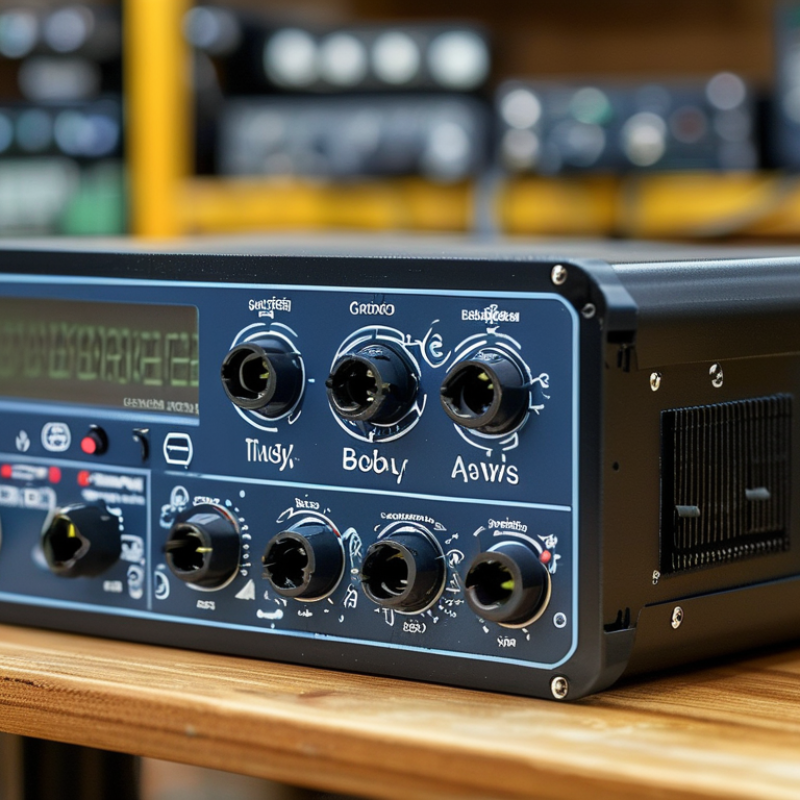
Understanding Voltage Stabilizers: Function and Importance
Voltage stabilizers are essential devices that help maintain a constant voltage level in electrical systems. They mitigate voltage fluctuations, which can damage appliances and disrupt daily operations. A reliable voltage stabilizer enhances device longevity and performance. Understanding their function and importance is crucial for every household and business.
Tip: Regular maintenance can improve the efficiency of your voltage stabilizer. Check for signs of wear and replace old components if necessary.
These devices come in various types, including automatic and manual stabilizers. Automatic stabilizers adjust voltage levels without user intervention, making them ideal for dynamic environments. On the other hand, manual stabilizers require user input, which can lead to human error. Evaluating your needs is essential when choosing the right type.
Tip: Measure the power consumption of your devices before selecting a stabilizer. This will ensure you choose a model that meets your requirements.
Investing in a quality voltage stabilizer is not just a choice; it's a necessity. Fluctuating voltage can lead to overheating and equipment failure. Consider the environment where the stabilizer will be used. Different regions may experience unique voltage conditions that influence your decision.
Key Features to Look for in Electronic Voltage Stabilizers
When choosing an electronic voltage stabilizer, several key features demand attention. Load capacity is crucial. A stabilizer must support the total wattage of connected devices. Reports indicate that many household appliances require between 1,500 to 3,000 watts. Underestimating this can lead to device damage due to overload.
The response time of a stabilizer is also significant. A high-quality stabilizer can regulate voltage fluctuations within milliseconds. According to industry studies, a response time of 10 milliseconds or less is optimal for sensitive electronic equipment. Slow react times can cause inefficiencies and potential failures over time.
Additionally, understanding the type of voltage stabilizer is vital. Servo-controlled models provide precision, while relay-based models may suffice for less sensitive equipment. The choice influences performance and longevity. Users should reflect on their specific needs and consider potential trade-offs in reliability and cost. Remember, not all stabilizers offer the same level of protection and performance.
Top Brands of Voltage Stabilizers for Global Buyers
When searching for the best electronic voltage stabilizers, understanding top brands is essential. Many global buyers face challenges choosing reliable devices. The market has several reputable manufacturers offering various models. These brands prioritize quality and longevity. Dedicated engineers design stabilizers to meet diverse voltage needs.
Innovative technology plays a crucial role in these devices. Some brands use advanced circuitry to ensure stable output. Others emphasize energy efficiency, providing eco-friendly solutions. Buyers often appreciate digital displays that show real-time performance. Ease of installation and user-friendly interfaces enhance satisfaction. However, not all products live up to expectations. Some may underperform in extreme conditions.
Researching customer reviews can aid in decision-making. These insights reveal pros and cons. Responsiveness to issues differentiates reliable manufacturers from others. Product warranties are vital indicators of confidence in quality. Buyers should reflect on their unique voltage stabilization needs. Not every feature may be necessary for everyone. Balancing performance, cost, and functionality ultimately leads to a more informed purchase.
Best Electronic Voltage Stabilizers: Performance Comparison
Comparative Analysis of Voltage Stabilizers Based on Regions
When selecting an electronic voltage stabilizer, understanding regional requirements is crucial. Different areas face unique voltage fluctuations caused by infrastructure, electrical load, and climate conditions. For instance, in regions with high industrial activity, voltage variation can be more pronounced, making a robust stabilizer essential. These areas often require units that can accommodate a wide input voltage range while maintaining a stable output.
In contrast, residential areas in developed cities may need simpler models. Energy efficiency becomes a priority. Such stabilizers often feature smart technology that optimizes performance and minimizes energy waste. It's interesting to note that some consumers are unaware of ongoing voltage issues until they damage their appliances. Hence, investing in the right stabilizer, tailored to specific conditions, is vital for protecting devices.
While evaluating options, don't overlook critical factors like size, efficiency ratings, and response time. These details significantly influence your experience. Sometimes, the quieter models may not provide the performance needed in areas with erratic voltage. Real estate factors, such as home age and wiring, also affect stabilizer effectiveness. Each region may pose its own set of challenges that warrant careful consideration.
Maintenance Tips for Long-lasting Voltage Stabilizers
When investing in a voltage stabilizer, maintenance is key to longevity. Regular checks can prevent many common issues. Ensure that connections are tight and free from corrosion. Dust buildup can be detrimental, so keeping the unit clean is essential.
One crucial tip is to periodically inspect the input and output voltage levels. This step can help identify irregularities early. If fluctuations appear, it might indicate a larger problem. Using a multimeter can provide quick insights.
Lastly, remember that environmental conditions matter. Extreme temperatures or humidity can affect performance. Placing the stabilizer in a well-ventilated area helps. It's easy to overlook these factors, but they significantly impact reliability. Adjustments may be necessary over time as conditions change. Investing time in maintenance ensures that your voltage stabilizer performs optimally for longer.