Which Industrial Sump Pump Type Is Best in 2026?

Choosing the best industrial sump pump in 2026 is not a simple matter of comparing horsepower. In a real plant, the right pump must handle liquid level changes, suspended solids, temperature, corrosion, and demanding duty cycles. A pump that performs well in a clean drainage pit may struggle when sludge, fibers, or abrasive particles enter the basin.

This guide examines submersible, vertical, dry-pit, pneumatic, and specialty pump designs. It considers flow rate, total dynamic head, motor efficiency, seal construction, control systems, and maintenance access. These details matter. A technician standing beside a noisy sump at midnight needs more than a promising catalog claim. They need predictable starting, stable discharge pressure, and safe access to worn components.

Field experience also shows that specifications can mislead. A higher-rated motor is not always the better choice. Oversizing may increase energy use, cycling, and mechanical stress. Underestimating solids can cause repeated blockages. Even corrosion-resistant materials may fail when chemical concentration and temperature are poorly measured.

There is no universal winner.

The best industrial sump pump depends on the liquid, pit geometry, operating schedule, and consequences of failure. Reliable selection begins with verified site data, manufacturer documentation, and maintenance records. It also requires honest review after installation. An earlier choice may look reasonable on paper, yet perform differently under actual plant conditions. That uncertainty deserves attention before purchasing equipment for 2026 and beyond.
Which Industrial Sump Pump Type Is Best in 2026?

Industrial Sump Pumps: Purpose, Design, and Operating Conditions

Industrial Sump Pumps: Purpose, Design, and Operating Conditions

Industrial sump pumps remove collected water, wastewater, and process liquids from pits, tanks, and low-level areas. Their purpose sounds simple, but operating conditions change everything. A pump handling clean water may fail quickly with abrasive grit, fibrous waste, or chemical residue. In 2026, the best type depends on the liquid, required flow, discharge head, and duty cycle.

Submersible pumps suit deep sumps and limited-access areas because the motor operates inside the liquid. They usually save space and reduce suction problems. Vertical pumps keep the motor above the fluid, which helps during high-temperature service or frequent inspections. Design choices also include open or vortex impellers, solids passage, shaft materials, sealing systems, and automatic level controls. Selection should begin with measured conditions, not guesswork. Record temperature, pH, viscosity, solids size, and daily run hours. A small error here can become an expensive repair.

Tips: Inspect the pit before choosing the pump. Check sludge depth and inlet flow. Match the pump curve to actual head, not catalog hopes. Use corrosion-resistant materials when chemistry is uncertain. Clean level sensors regularly. Test alarms under controlled conditions. I would not rely on a float switch alone in a dirty sump. It can hang silently. Keep maintenance records, even when the system appears stable. Field experience shows that “almost suitable” equipment often creates the most persistent problems.

Major Industrial Sump Pump Types and Their Core Differences

Which Industrial Sump Pump Type Is Best in 2026?

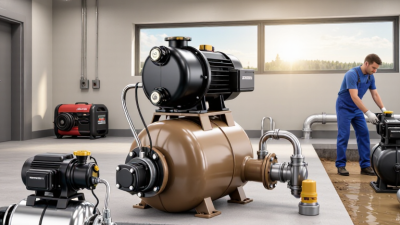
In 2026, the best industrial sump pump depends on the pit, not a universal ranking. Major types differ in placement, solids handling, head, and service access. Submersible centrifugal pumps sit inside the liquid and discharge through a connected pipe. They save floor space and usually provide efficient, quiet drainage. However, seals and motors face constant immersion. That risk is often underestimated.

Vertical cantilever pumps keep the motor above the sump. Their design suits hot, abrasive, or contaminated liquids where submerged electrical parts create maintenance concerns. They also allow faster inspection. Pneumatic diaphragm pumps handle sludge and intermittent duty well, but they use compressed air and produce pulsating flow. Self-priming centrifugal pumps offer easier access, although suction conditions can affect reliability. No pump wins every pit.

The U.S. Department of Energy’s Improving Pumping System Performance: A Sourcebook for Industry indicates pumping systems can consume roughly one-quarter of industrial facility electricity. Therefore, hydraulic efficiency matters, but it should not control the decision alone. Hydraulic Institute guidance emphasizes matching the pump to its duty point, system curve, and operating conditions. For an 8-meter head and fibrous solids, a vortex impeller may reduce clogging. For clean drainage, a closed impeller may deliver better efficiency. Check solids passage, start-stop frequency, wet-well volume, and dry-run protection. Real sites are messier than spreadsheets. A small compromise may still be practical when service access is poor.

Key Criteria for Selecting the Best Sump Pump in 2026

Which Industrial Sump Pump Type Is Best in 2026?

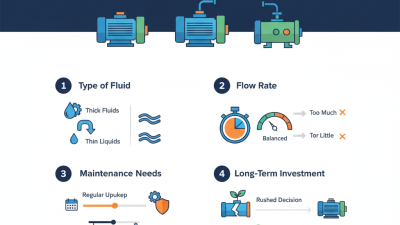
Selecting the best industrial sump pump starts with the site, not the catalog. Measure the pit depth, discharge distance, static head, and expected flow rate. A pump must meet the real duty point without operating constantly at its limit. For abrasive slurry, a solids-handling submersible pump may be suitable. For clearer water and deeper installations, a vertical turbine design can offer easier motor access. Confirm the maximum particle size before choosing. Small mistakes become expensive blockages.

Tips: Record flow readings during peak production. Check liquid temperature, acidity, and suspended solids. Choose corrosion-resistant materials when chemicals are present. Ask for tested performance curves, service intervals, and overload protection. Automatic level controls should respond reliably to changing inflow. A backup pump may protect operations when flooding carries serious costs.

Field experience also shows that installation quality affects performance as much as pump selection. Poorly supported discharge piping can create vibration, while an undersized cable may cause overheating. Inspect the pit for ragging, sediment, and unexpected debris before commissioning. Energy use deserves attention too; a slightly higher purchase price may reduce years of operating costs. Still, efficiency claims need independent test data. I would not select a pump from headline efficiency alone. Maintenance access, spare-part availability, and local technical support often matter more than impressive specifications.

Which Industrial Sump Pump Type Is Best in 2026? – Key Criteria for Selecting the Best Sump Pump in 2026

Comparative guide based on typical industrial operating ranges. Actual selection should be confirmed against the fluid properties, system curve, solids content, temperature, electrical supply, and applicable safety requirements.

Pump Type Typical Flow Range Typical Head Range Solids-Handling Capability Typical Fluid Temperature Installation and Maintenance Main Advantages Best Industrial Application in 2026
Submersible Dewatering Pump Approximately 10–2,000 m³/h Approximately 5–100 m Typically handles suspended solids; vortex and semi-open impellers can accommodate larger particles than closed impellers. Commonly up to 40°C; higher-temperature models require special seals, cables, and motor insulation. Fast installation with no dry priming system. The motor and seals remain submerged, so cable, insulation, and seal condition require regular inspection. Compact, portable, easy to deploy, and suitable for rapidly changing water levels. Construction pits, mines, emergency drainage, stormwater collection, and general wastewater sumps.
Submersible Sewage or Solids-Handling Pump Approximately 10–1,500 m³/h Approximately 5–80 m Typically available with 50–100 mm or larger solids passages, depending on impeller design and pump size. Usually up to 40°C for standard configurations; process-specific designs can support higher temperatures. Simple wet installation, but clogging, ragging, seal wear, and cable damage must be monitored. Guide-rail systems can simplify removal. Good tolerance for wastewater solids and intermittent operation. Industrial wastewater sumps, sewage lift stations, food-processing drainage, and utility wastewater collection.
Vertical Cantilever Sump Pump Approximately 5–1,500 m³/h Approximately 5–75 m Suitable for liquids containing suspended solids; recessed or vortex impellers improve resistance to clogging. Often suitable for approximately 80–120°C, subject to bearing, seal, lining, and material selection. Motor and bearings remain above the liquid, reducing submergence-related electrical risks. Shaft alignment and column condition require inspection. No submerged motor, strong chemical-resistance options, and good suitability for fixed industrial sumps. Metal finishing, chemical processing, industrial wastewater, cooling-water pits, and corrosive liquid collection.
Vertical Turbine Sump Pump Approximately 50–10,000 m³/h Approximately 20–250 m Best for relatively clean or lightly contaminated liquids; large solids can damage enclosed multistage or close-clearance components. Commonly up to approximately 80–120°C, depending on materials, lubrication, and mechanical design. Fixed installation with a longer vertical assembly. Alignment, thrust bearings, lubrication, and column maintenance are important. High flow and high head capability with strong hydraulic efficiency in properly sized systems. Large process-water sumps, cooling-water systems, fire-water basins, and high-capacity industrial drainage.
Air-Operated Double-Diaphragm Sump Pump Approximately 0.1–60 m³/h Approximately 5–80 m Can handle abrasive, viscous, shear-sensitive, and solids-laden liquids; passage size depends on valve and diaphragm design. Commonly from approximately −20°C to 100°C; diaphragm and valve materials determine the actual limit. Self-priming and suitable for dry running, but requires compressed air capacity. Diaphragms and air valves are wear parts. Useful where electricity is undesirable, flammable atmospheres are present, or the liquid is difficult to pump. Hazardous-area drainage, sludge transfer, chemical spills, batch processing, and intermittent sump service.
Magnetically Driven Chemical Sump Pump Approximately 1–300 m³/h Approximately 5–80 m Generally intended for clean or filtered liquids; abrasive solids can accelerate wear in the containment and bearing areas. Often approximately 60–120°C, depending on lining, magnet materials, and liquid compatibility. Sealless design reduces leakage risk. Proper material compatibility, dry-run protection, and solids control are essential. Very low external leakage potential and strong suitability for corrosive liquids. Acid and alkali sumps, chemical dosing areas, plating operations, and high-consequence liquid containment.
Self-Priming End-Suction Sump Pump Approximately 5–1,000 m³/h Approximately 5–100 m Usually limited to small or moderate suspended solids unless equipped with a solids-handling impeller and suitable casing passages. Commonly up to approximately 80–120°C, depending on seal and material configuration. Installed above or beside the sump and accessible for maintenance. Requires correct suction piping and sufficient priming capacity. Convenient above-ground maintenance and flexible arrangement for applications with moderate solids. Process drainage, wash-down systems, low-to-moderate solids liquids, and installations where submerged equipment is undesirable.

2026 selection priority: Choose a submersible pump for flexible dewatering and rapidly changing liquid levels; a vertical cantilever pump for fixed corrosive or solids-containing sumps; a vertical turbine pump for high-flow, high-head clean-water service; an air-operated double-diaphragm pump for hazardous, viscous, abrasive, or intermittent duties; and a sealless magnetic-drive pump when leakage prevention is the dominant requirement. Confirm the duty point, net positive suction conditions, materials compatibility, motor protection, controls, and local electrical and environmental compliance before purchase.

Pump Type Recommendations for Common Industrial Applications

Which Industrial Sump Pump Type Is Best in 2026?

Pump Type Recommendations for Common Industrial Applications

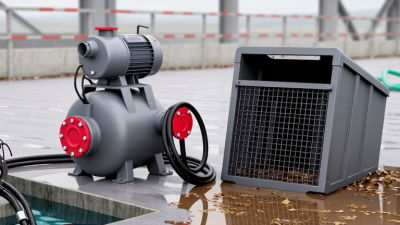
Choosing an industrial sump pump starts with the pit, not the catalog. For flooded pits with water, coolant, or light wastewater, a submersible pump is usually practical. It sits directly in the liquid and saves floor space. Select a vortex impeller when fibrous debris or small solids may enter the pit. Keep the motor fully submerged, though. Dry running can damage seals quickly.

Vertical cantilever pumps suit hot liquids, deep tanks, and corrosive process fluids. Their motor stays above the liquid, which simplifies inspection and protects electrical components. They are useful where pit access is difficult. For abrasive slurry, choose a heavy-duty wet end with replaceable wear parts. A standard wastewater pump may clog or wear too quickly. That mistake is common.

Air-operated diaphragm pumps can handle irregular flow, solids, and difficult chemical mixtures. They work well when electrical equipment near the sump is unsuitable. However, compressed air costs can become significant during continuous operation. Check air quality, discharge pressure, and actual duty cycles before selecting one. A pump rated for occasional drainage may fail under nonstop production loads. I have seen specifications focus on flow while ignoring viscosity and solids size. That creates disappointing results. Measure the pit depth, liquid temperature, particle size, and required head on site. Also verify access for lifting and maintenance. The best type depends on these details.

Maintenance, Safety, and Lifecycle Cost Considerations

Which Industrial Sump Pump Type Is Best in 2026?

The best industrial sump pump depends on fluid, depth, solids, and service access. There is no universal winner. Submersible pumps suit deep pits and variable liquid levels. They save floor space, but lifting a heavy wet unit can slow maintenance. Vertical pumps keep the motor above the liquid. This arrangement improves inspection access, although shaft alignment demands care. Air-operated diaphragm pumps handle abrasive or contaminated fluids well. Their air use can raise lifecycle costs.

In plant inspections, I have seen small seal leaks become major shutdowns. Operators should check vibration, float switches, cable condition, and discharge pressure at scheduled intervals. A pump that survives corrosion may still fail from dry running or blocked screens. Safety requires isolation, lockout procedures, gas testing, and suitable lifting equipment before anyone enters or services a sump. Never treat an empty-looking pit as harmless.

Tips: Choose a pump with accessible wear parts, documented service intervals, and realistic solids handling. Compare purchase price, energy demand, spare parts, labor, and expected replacement time. Record current readings during normal operation. Trends often reveal trouble earlier than alarms. My earlier preference for the cheapest high-capacity pump proved too simplistic. Oversizing can increase cycling, energy use, and wear. A modestly sized unit with reliable level control may cost less across ten years, but site conditions should decide.

Which Industrial Sump Pump Type Is Best in 2026?

Comparative benchmark for maintenance burden, operational safety exposure, and estimated 10-year lifecycle cost. Lower scores indicate better overall performance.

How to read this chart: The scores are normalized engineering benchmarks for typical industrial wastewater duty, assuming approximately 2,000 operating hours per year and excluding installation, civil works, and site-specific treatment requirements. Submersible electric pumps generally provide the best balance of low maintenance, contained operation, and lifecycle cost. Air-operated diaphragm pumps can improve ignition-risk control but usually require more frequent servicing and compressed-air energy.
×

Cart