Best Submersible Sump Pump for Your Home Needs?
When it comes to protecting your home from water damage, a submersible sump pump is essential. These pumps efficiently remove excess water from your basement or crawl space. But not all pumps are created equal. Choosing the right option can feel overwhelming.
Many homeowners overlook critical features, like power and capacity. While some pumps are quiet and efficient, they might lack the necessary strength for heavy rainfall. A suitable submersible sump pump should handle your specific needs, yet many buyers ignore this detail. For example, your pump must have enough horsepower to move water effectively.
Inadequate pumps could lead to property damage during storms. It's a common mistake to assume that 'one size fits all' applies here. Sump pumps come in various designs. Researching and understanding these options is vital for home protection. Consider factors like durability and warranty. Investing in a reliable submersible sump pump will pay off in the long run.
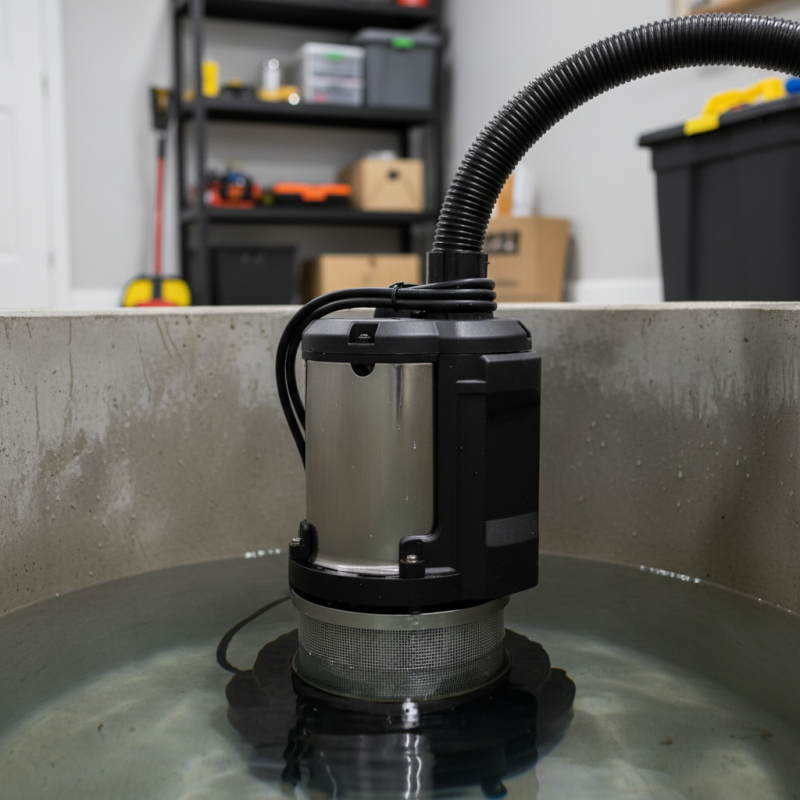
Factors to Consider When Choosing a Submersible Sump Pump
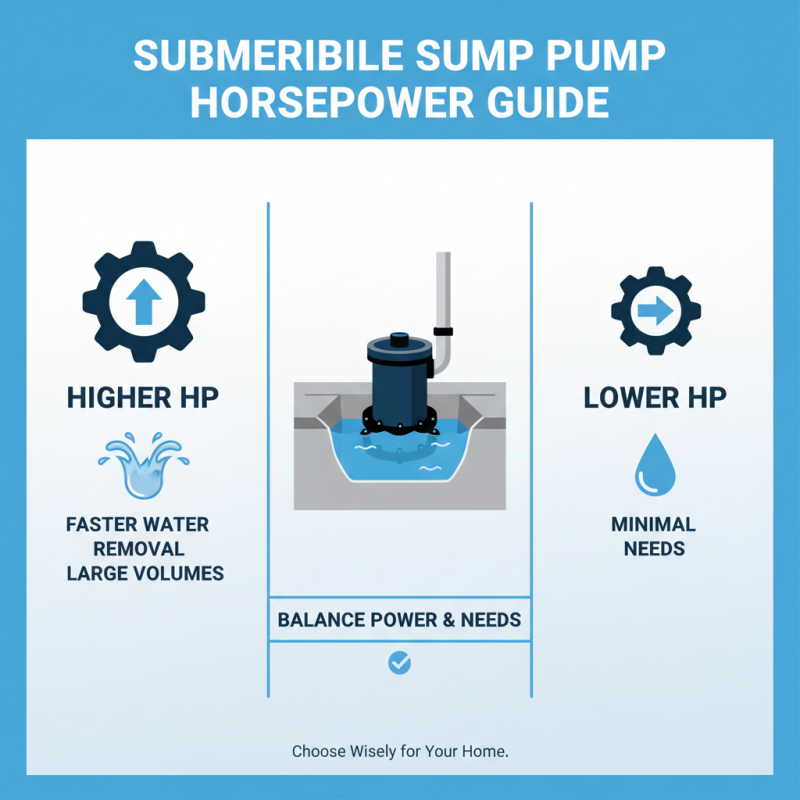
When selecting a submersible sump pump, consider the pump’s horsepower. This affects how quickly it can remove water. A higher horsepower pump can handle larger volumes. However, if your needs are minimal, a lower horsepower may suffice. Balance power requirements with your specific water removal situations.
Next, evaluate the pump’s capacity, measured in gallons per hour. This rating indicates how much water the pump can move. Depending on your home’s flooding risk, you may need a more robust option. Also, inspect the pump’s build quality. A durable design will last longer and resist harsh conditions. Pay attention to materials and the integrity of seals.
You should also check the pump’s float switch. This component controls when the pump turns on and off. A reliable float switch ensures consistent operation. Sometimes, users overlook maintenance requirements. It’s essential to clean and inspect the pump regularly for optimal performance. Neglecting maintenance can lead to failures. Opting for a model with easily accessible components will help. Overall, think critically about your choice.
Top Brands and Models of Submersible Sump Pumps
When searching for the best submersible sump pump, understanding the leading brands and models is crucial. According to industry reports, nearly 25% of homes experience some form of water damage. The right sump pump can mitigate this risk effectively. Popular submersible pumps typically operate in water depths of 10 feet or more. They are designed to handle high volumes of water, often up to 3,000 gallons per hour.
Several key features distinguish top models, such as horsepower, float switch technologies, and durability. Most pumps have a motor power ranging from 0.5 to 1.5 HP. A reliable float switch can ensure automatic operation. Reports indicate that pumps lacking this feature can fail, leaving basements vulnerable to flooding. Many homeowners may overlook these details but could face long-term damages if not addressed.
It's important to consider the construction material too. Sturdy thermoplastic or cast iron models typically offer better longevity. Surprisingly, budget models often use lower-quality materials. This can lead to frequent replacements and increased costs. Homeowners should think carefully about investment returns when choosing a pump. Regular maintenance is another overlooked aspect that can affect a pump's lifespan significantly. Neglecting routine checks may lead to unexpected failures during heavy rain seasons.
Best Submersible Sump Pump for Your Home Needs
| Model |
Horsepower |
Max Flow Rate (GPM) |
Max Head (ft) |
Weight (lbs) |
Price ($) |
| Model A |
1/3 HP |
3000 |
25 |
15 |
150 |
| Model B |
1/2 HP |
4000 |
30 |
20 |
200 |
| Model C |
1 HP |
5000 |
35 |
25 |
250 |
Installation Process for Submersible Sump Pumps
When installing a submersible sump pump, careful planning is essential. The location matters significantly. Choose a spot close to the foundation’s lowest point. This helps the pump work efficiently. Ensure there is a proper drainage line. This line should lead away from your home's foundation. It prevents water from pooling around it.
The installation involves several steps. Begin by digging a hole for the sump pit. The pit needs to be deep enough to accommodate your pump. Use gravel to create a stable base. Position the pump inside the pit and secure it. Next, connect the discharge pipe. Make sure it is sealed to avoid leaks.
Check the power source for the pump. It is crucial to have a reliable electrical connection. A GFCI outlet is recommended. Be aware of potential issues like improper sealing. This can lead to water damage. Regular checks on the pump after installation are necessary. Sometimes, little problems arise. They can become significant if ignored. So, stay vigilant and maintain the system.
Maintenance Tips for Ensuring Longevity of Your Pump
Maintaining a submersible sump pump is essential for its longevity and efficiency. Regular maintenance can extend the lifespan of your pump significantly. According to industry reports, a well-maintained sump pump can last up to 10 years, while neglected pumps may fail within just 2 to 3 years. Keep an eye on the pump's performance, especially during heavy rainfalls.
Cleaning is vital. Every few months, remove the pump and clean it thoroughly. Dirt and debris can block the impeller, causing inefficiency. Check the discharge line for clogs. A blockage can lead to backflow and pump failure. Simple preventative measures can save costly repairs down the road.
Monitoring your pump’s float switch is equally important. A faulty switch can prevent your pump from turning on. Test it regularly by lifting the float manually. If it doesn't activate, replacement may be necessary. According to experts, nearly 20% of sump pump failures result from float switch issues. Investing a little time in maintenance can lead to big savings and peace of mind.
Common Problems and Solutions for Submersible Sump Pumps
Submersible sump pumps are essential for managing excess water in homes, especially in basements. Common issues can arise during their operation. One significant problem is frequent cycling. This occurs when the pump turns on and off repeatedly. It might indicate that the float switch is stuck or the pump's capacity is too small for the water influx. Regular checks can help prevent this situation.
Another common issue is clogging. Debris, dirt, or small objects can block the intake, making it hard for the pump to function. If you notice the pump struggling, inspect the intake. Cleaning it out may restore proper function. Be cautious; rushing through maintenance can lead to overlooked issues. A clear understanding of your sump pump's limits is vital.
Noise is another concern. If your sump pump is overly loud, it could signify mechanical issues or misalignment. Listen for irregular sounds during operation. This can help identify problems before they escalate. Small problems can sometimes indicate larger issues in the system. Regular maintenance and paying attention to warning signs are crucial for optimal performance.
Best Submersible Sump Pump Features and Common Problems
This bar chart illustrates the average specifications of submersible sump pumps, showcasing key features such as power, flow rate, maximum head, noise level, and weight. These factors are crucial in selecting the right pump for your home needs.