What Types of Drainage Pumps Are Best for Your Needs?
Choosing the right drainage pump is crucial for effective water management. Numerous options exist, and each serves a specific purpose. Understanding your needs can significantly impact efficiency and performance.
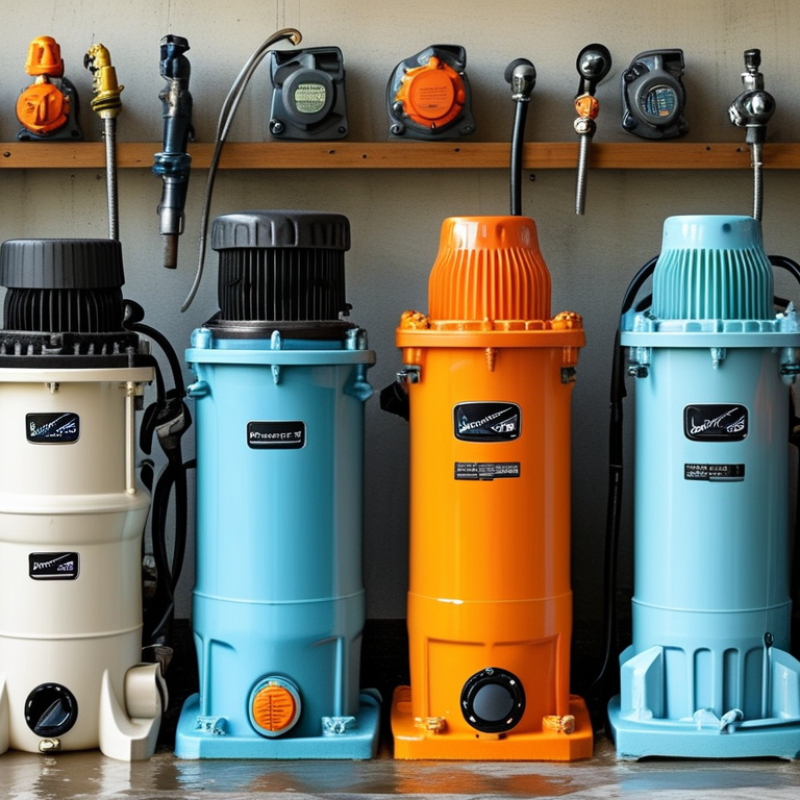
Drainage pumps vary in type and design. Submersible pumps are ideal for deep water removal. They work submerged in water, making them effective in basements. On the other hand, pedestal pumps are suitable for shallower applications. These sit above water and are easier to service.
While selecting a drainage pump, consider the capacity required and the nature of the water. If your area faces frequent flooding, a high-capacity pump is essential. Reflection on your specific needs will lead you to the best decision. Understanding the features of each type ensures reliability in critical situations.
Types of Drainage Pumps: An Overview of Options Available
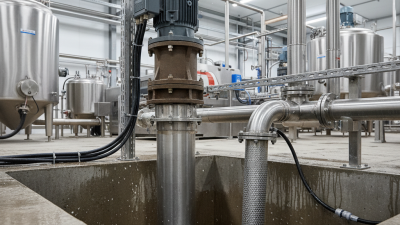
Understanding the various types of drainage pumps can greatly enhance your decision-making. Each pump serves different purposes, making it crucial to choose wisely. Submersible pumps are designed to work underwater. They efficiently handle large volumes of water. These pumps are ideal for flooded basements or digging projects.
External pumps are another option. They sit above the water level and are easy to access. Their maintenance is simpler, making them a reliable choice for many homeowners. On the other hand, sump pumps are typically utilized in sump pits. They can automatically remove accumulated water and prevent flooding.
When selecting a drain pump, consider the specific requirements of your situation. Think about the water's nature and volume. Also, research based on usage frequency. Each type of pump has its strengths but also limitations. Consulting a professional can help refine your options.
Be mindful of the power source as well. Some drainage pumps are electric, while others may depend on batteries. This can influence where and how you use them. Always evaluate the noise level, too, especially if the pump will be running for extended periods. Reflect on these points to make an informed choice.
Submersible Pumps: Benefits and Applications for Homeowners
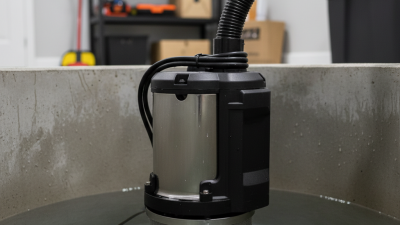
Submersible pumps are essential for homeowners facing water management challenges. Their design allows them to be submerged in water, which makes them ideal for removing excess water from basements and flooded areas. According to a recent industry report, over 70% of homeowners experience some form of water intrusion, and submersible pumps can provide a reliable solution.
One key benefit of submersible pumps is their high efficiency. They can move large volumes of water quickly, reducing the risk of structural damage. For example, a typical submersible pump can remove up to 2,000 gallons of water per hour, making them effective for emergency situations. Additionally, these pumps are often equipped with float switches, ensuring automatic operation when water levels rise.
However, not all submersible pumps are created equal. It's crucial to match the pump's specifications to your specific needs. Some homeowners may choose models with more horsepower for heavy-duty tasks. This can lead to over-pumping, wasting energy and potentially harming the environment. Regular maintenance is also necessary; neglecting it can reduce the lifespan of the pump, often requiring costly replacements. Understanding these factors helps ensure that homeowners select the right equipment for their unique circumstances.
Sump Pumps: Key Features and Considerations for Basement Use
Sump pumps play a crucial role in maintaining dry basements. They are designed to remove excess water from below the ground level. This helps prevent flooding and water damage to your home. When selecting a sump pump, consider its horsepower. A higher horsepower can move more water quickly. However, it may use more energy. Finding the right balance is key.
Look for pumps with a strong build quality. Materials like thermoplastic or cast iron can enhance durability. A float switch is another essential feature. It automatically activates the pump when water levels rise. Some models offer battery backup systems. This ensures operation during power outages. However, these features can increase the pump's complexity.
Noise levels matter, too. A quiet pump minimizes disruption. Some homeowners find constant pump noise annoying. Regular maintenance is necessary to keep the sump pump running efficiently. Cleaning the pump and checking the battery periodically is a must. If neglected, damage may occur. Assessing your unique needs will help select the right pump for your basement. The right choice can protect your home from costly water damage.
Types of Sump Pumps by Performance
Utility Pumps: Versatility and Ideal Uses in Various Situations
Utility pumps offer remarkable versatility for different scenarios. Their primary function is to move water from one place to another, making them invaluable in both residential and commercial settings. According to the American Society of Home Inspectors, approximately 60% of basement moisture issues arise from improper drainage. Utility pumps can effectively mitigate such problems, especially in flood-prone areas, by removing excess water quickly.
In emergencies, utility pumps shine. They are frequently used to remove water from basements after heavy rains. A study by the National Association of Home Builders indicates that over 30% of homes experience significant water damage at some point. Utility pumps can minimize this risk, providing a cost-effective solution against potential damage. Their portability allows users to place them where needed, expanding their scope of use. However, reliance solely on these pumps can sometimes lead to oversights in a comprehensive water management plan.
It's essential to consider the pump's power and capacity for specific tasks. Most utility pumps handle around 1,200 to 3,000 gallons per hour. Selecting a pump that meets your water removal needs is critical to avoid inefficient performance. Misjudging requirements can lead to significant inconveniences. Understanding utility pumps' capabilities can significantly enhance their effectiveness and reliability in any situation.
Choosing the Right Pump: Factors to Consider for Your Specific Needs
When selecting a drainage pump, several factors are crucial to ensure it meets your specific needs. Start by evaluating the type of water you’ll be dealing with. Is it clean water from a basement drain, or dirty water from a flooded yard? The pump type varies greatly depending on this. Submersible pumps are ideal for deeper installations, while pedestal pumps work better in areas with limited space.
Next, consider the pump’s capacity. Understand the gallons per minute (GPM) rating required for your situation. If you expect heavy rainfall or run a water feature, choose a higher capacity. Look at the head height as well, which indicates how high the water can be pumped.
Another aspect to reflect on is the maintenance required. Some pumps need regular check-ups, while others are low-maintenance. Evaluate your comfort level with upkeep. Often, people overlook the noise level of the pump. A quieter model can make a significant difference in residential settings. Understanding these factors will guide you to a pump that not only fits your needs but also enhances your experience.