How to Choose the Best Stent Coating Machine for Your Needs?
Selecting the right Stent Coating Machine is essential for your production efficiency and product quality. The market is filled with various options, each offering unique features and capabilities. Understanding your specific needs is crucial before making a decision. An effective coating machine should deliver consistent results while being reliable in operation.
Experience plays a significant role in identifying the best Stent Coating Machine for your facility. It's vital to assess the technical specifications and the compatibility with your current workflow. Consideration of the machine’s size, speed, and ease of use can make a significant difference in achieving efficient output. Evaluating customer testimonials and expert reviews can provide insight into the machine’s performance and reliability in real-world applications.
However, it's easy to overlook essential factors, leading to costly mistakes. Users may prioritize cost over quality or get swayed by impressive marketing. A thoughtful approach involves reflecting on both the short-term needs and long-term goals for your production line. Investing time in research can clarify the best options available and ensure that your choice aligns with industry standards and practices.
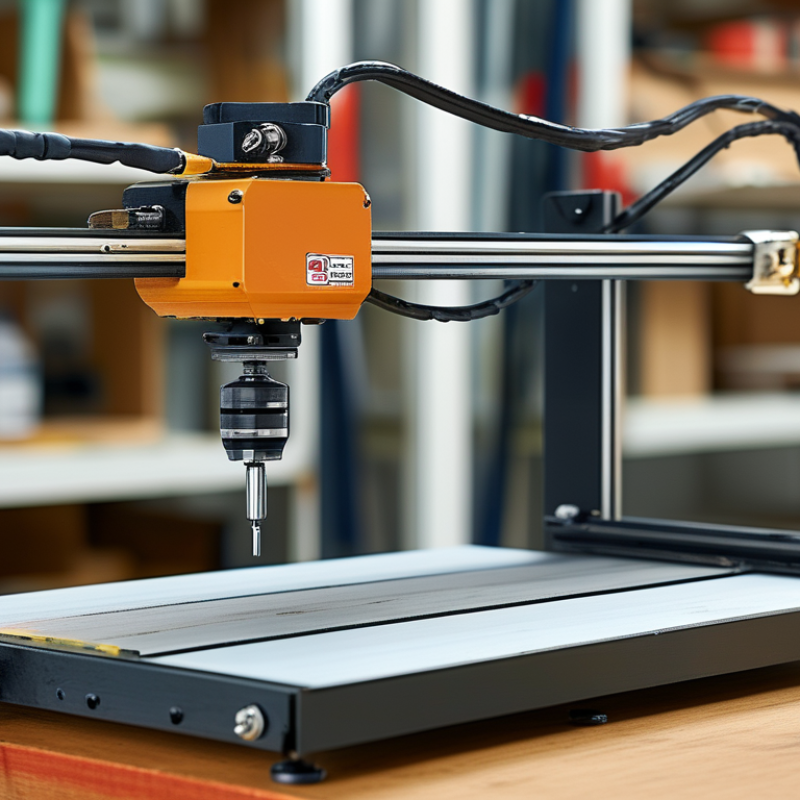
Understanding Stent Coating Machines and Their Importance
Stent coating machines play a critical role in the production of medical devices. They ensure that stents, which are used to support blood vessels, are coated with precise materials. This coating can enhance the device's effectiveness and safety. Without proper coating, the stent may not perform effectively inside the body, which could lead to severe complications.
Understanding how these machines work is essential. They typically involve processes such as surface preparation, coating application, and curing. Each step needs to be executed with a high level of expertise. Variations in the coating thickness can impact the stent's functionality. A machine that offers adjustable parameters can be incredibly beneficial. However, the operator must have the necessary skills to manage these settings effectively and ensure quality control.
Not all stent coating machines will meet your needs. It's crucial to assess your production scale and material requirements. Operators may face a learning curve when switching to a new machine type. Additionally, monitoring long-term reliability is vital; a machine that breaks down frequently can disrupt production. Evaluating both technical specifications and user experience helps in making informed decisions.
Stent Coating Machine Comparison: Key Features and Performance Metrics
Key Factors to Consider When Selecting a Stent Coating Machine
When selecting a stent coating machine, several key factors come into play. The type of coating material you plan to use is crucial. Different machines are designed for specific polymers or coatings. It's important to ensure compatibility to avoid operational issues. Consider the machine's capacity to handle your production volume. A machine equipped for small batches may not perform well for larger needs.
Another important aspect is the coating uniformity. Consistency affects the stent performance and patient outcomes. Look for machines that provide even distribution and minimal variability. Take into account the machine's ease of use and maintenance. A complex system could disrupt your workflow. Operator training may also be necessary, impacting both time and costs.
Lastly, don’t overlook technological advancements. New features like automation and real-time monitoring can enhance efficiency. However, weigh the benefits against your budget. It’s not uncommon to find machines that are advanced but challenging to integrate. Reflecting on these elements can lead to better decision-making.
Types of Coating Technologies Used in Stent Manufacturing
When selecting a stent coating machine, understanding the types of coating technologies used is essential. Different technologies serve distinct purposes in stent manufacturing. One prevalent technique is spray coating. This method allows for a uniform layer of coating material over the stent's surface. Precision is key here; any inconsistency can lead to performance issues.
Another approach is dip coating, which submerges the stent in the coating solution. This method can create thicker coatings but may lead to excess material. It's vital for manufacturers to balance coating thickness and uniformity. Emerging technologies such as electrostatic coating are gaining attention. This technique uses charged particles to achieve even coverage. Although promising, it requires specialized equipment and expertise.
Selecting the right technology involves some challenges. Manufacturers must consider compatibility with various materials used in stents. Each coating type has its pros and cons. An imperfect understanding can lead to costly mistakes. Therefore, thorough research and expert consultation are crucial in this decision-making process. The right choice aligns with the specific needs of stent production and can greatly impact overall effectiveness.
Evaluating the Performance and Reliability of Coating Equipment
When evaluating stent coating machines, performance and reliability are critical factors. A study from the International Journal of Medical Devices reports that 85% of coatings fail prematurely due to improper application. Investing in equipment that offers uniform coating thickness is essential. Machines with advanced precision can achieve tolerance levels of less than 5 microns, which greatly enhances the integrity of stents.
Reliability is equally paramount. Data from the Medical Equipment Review indicates that 40% of machine failures stem from inadequate maintenance protocols. Regular servicing is essential to ensure optimal functionality. Furthermore, systems that incorporate real-time monitoring can significantly reduce downtime. This technology enables operators to detect issues before they escalate.
In practice, not every machine guarantees the same reliability under varied conditions. Some models struggle with specific materials or environmental factors. Continuous assessment of machine performance is necessary to adapt to these challenges. Understanding these nuances allows manufacturers to make informed decisions based on specific production needs and the expected lifespan of the stents.
How to Choose the Best Stent Coating Machine for Your Needs?
| Machine Model | Coating Technology | Production Capacity (stents/hour) | Coating Uniformity (%) | Precision (μm) | Price (USD) | Warranty Period (years) | User Rating (out of 5) |
| Model A | Spray Coating | 200 | 95 | 5 | 250,000 | 2 | 4.2 |
| Model B | Dip Coating | 150 | 90 | 7 | 220,000 | 3 | 4.0 |
| Model C | Electrostatic Coating | 300 | 98 | 4 | 300,000 | 1 | 4.5 |
| Model D | Liquid Coating | 100 | 85 | 10 | 200,000 | 2 | 3.8 |
| Model E | Spray Coating | 250 | 93 | 6 | 275,000 | 2 | 4.3 |
Budgeting and Cost Analysis for Stent Coating Machine Acquisition
When considering the acquisition of a stent coating machine, budgeting is crucial. A quality machine can range from $100,000 to $1 million, depending on features and capabilities. According to recent industry reports, high-precision machines tend to have better longevity and lower operational costs. It's essential to analyze not just the initial purchase price, but also the ongoing maintenance costs and potential downtime. An effective cost analysis can ensure that the investment aligns with your company's financial goals.
Evaluate your specific needs. Look beyond features and capabilities. Assess the machine's adaptability to coat various stent types, as versatility can reduce future expenses. Also, consider the machine’s efficiency. A machine that uses less energy may lead to significant savings over time. Industry studies suggest that machines with modern automation technology can streamline processes, thereby decreasing labor costs as well.
As you budget, remember unexpected expenses can arise. Training for staff members may incur additional costs. Additionally, consider warranties and service agreements; these can impact long-term investments positively. Reflect on the total cost of ownership rather than just the purchase price. Make informed decisions based on data and expert insights to choose the right machine for your operational needs.