How to Choose the Right Gas Water Pump for Your Home Needs
Choosing the right gas water pump for your home is an essential decision that can significantly impact your water management and overall efficiency. According to industry reports, the demand for gas water pumps has surged by approximately 15% over the past five years as homeowners seek reliable and efficient solutions for various outdoor water applications. These pumps are particularly favored for their ability to quickly transfer large volumes of water, making them ideal for irrigation, construction sites, and emergency drainage.
When selecting a gas water pump, several factors should be considered, including flow rate, head pressure, and portability. A report from the American Society of Agricultural and Biological Engineers highlights that pumps with higher flow rates can significantly reduce the time needed for irrigation, thereby saving both water and labor costs. Furthermore, understanding the specific requirements of your water usage can help you select a model that not only meets your immediate needs but also maintains efficiency and longevity. Investing in a quality gas water pump ensures that you are well-equipped to handle varying water demands, securing your home against flooding or enabling effective irrigation practices.
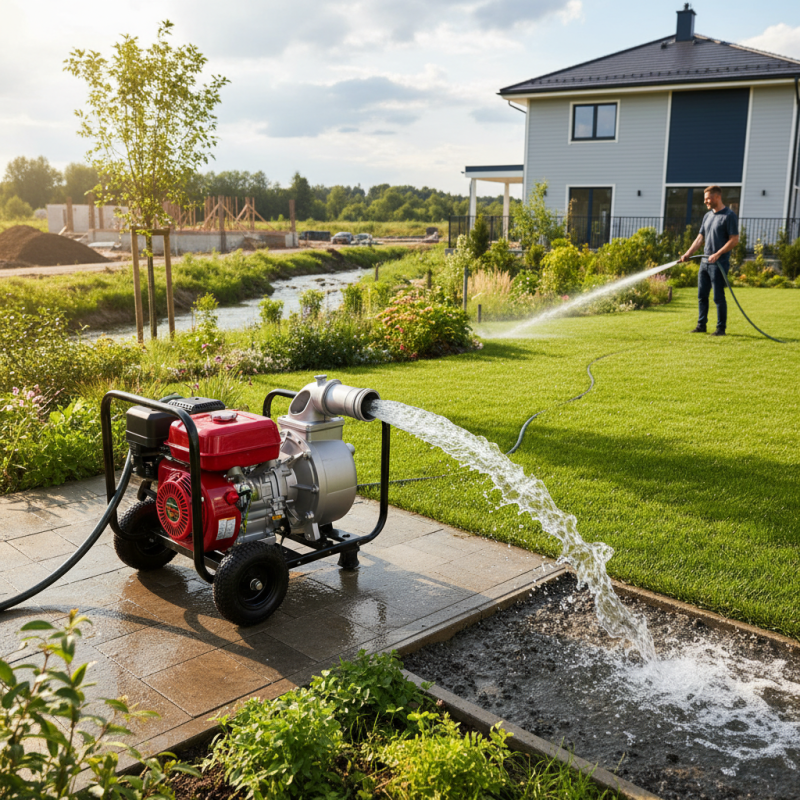
Understanding Your Water Supply Needs
Understanding your water supply needs is crucial when selecting the right gas water pump for your home. First, assess the source of your water,
whether it is from a well, a river, or municipal supply. Each source comes with its own set of requirements concerning pressure, flow rate, and the total volume of water needed.
For instance, if you are drawing from a well, you need to consider the depth and the rate at which the well replenishes to ensure that the pump can deliver the necessary water supply consistently.
Next, evaluate how much water you will use and for what purposes. Different household activities, such as irrigation, filling a pool, or supplying water to appliances, demand varying flow rates.
It’s important to calculate the total gallons per minute (GPM) required for these tasks to ensure your gas water pump can meet those demands without overworking or failing prematurely.
Additionally, consider the specific features of a water pump, such as portability, fuel efficiency, and maintenance requirements, as they can further influence your overall water supply strategy.
By thoroughly understanding your water needs, you can make a more informed decision, ensuring reliable water access for your home.
Types of Gas Water Pumps Available
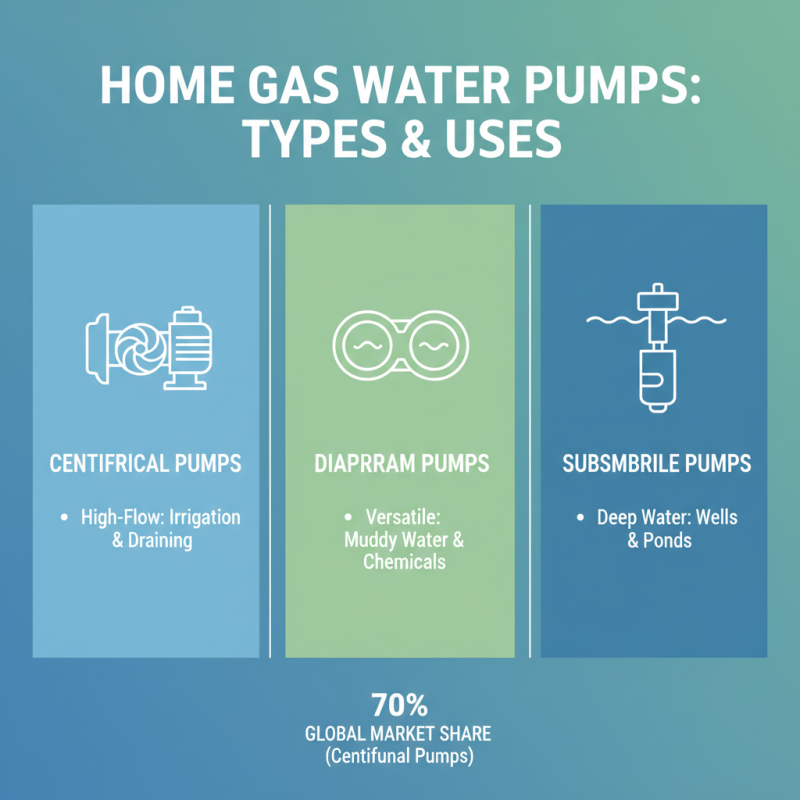
When selecting a gas water pump for home use, it's essential to understand the different types available, as they cater to various needs and applications. The primary categories include centrifugal pumps, diaphragm pumps, and submersible pumps. Centrifugal pumps are ideal for high-flow applications and provide efficient water movement, making them suitable for irrigation and draining tasks. According to a report by the Water & Wastewater Equipment Manufacturers Association (WWEMA), centrifugal pumps account for approximately 70% of the global water pump market, highlighting their popularity in both residential and commercial sectors.
Diaphragm pumps, on the other hand, are known for their ability to handle a wide range of fluids, including those with high viscosities or solid content. These pumps are often used in applications requiring precise flow control, such as in agricultural irrigation systems or wastewater processing. Industry data from the Pumps Manufacturers Association indicates that diaphragm pumps have seen a steady growth rate of around 4% annually, driven by their reliability and efficiency in various environments.
Lastly, submersible pumps are designed to operate underwater, making them particularly useful for deep well applications or draining flooded areas. Their sealed construction allows them to function effectively without risk of damage from water exposure. Reports from the American Society of Agricultural and Biological Engineers show that the demand for submersible pumps has increased significantly, with an estimated 15% rise in sales over the past five years, as homeowners look for ways to manage water levels safely and efficiently. Understanding these types ensures that you can select the most appropriate gas water pump that meets your specific home requirements.
Key Specifications to Consider When Choosing
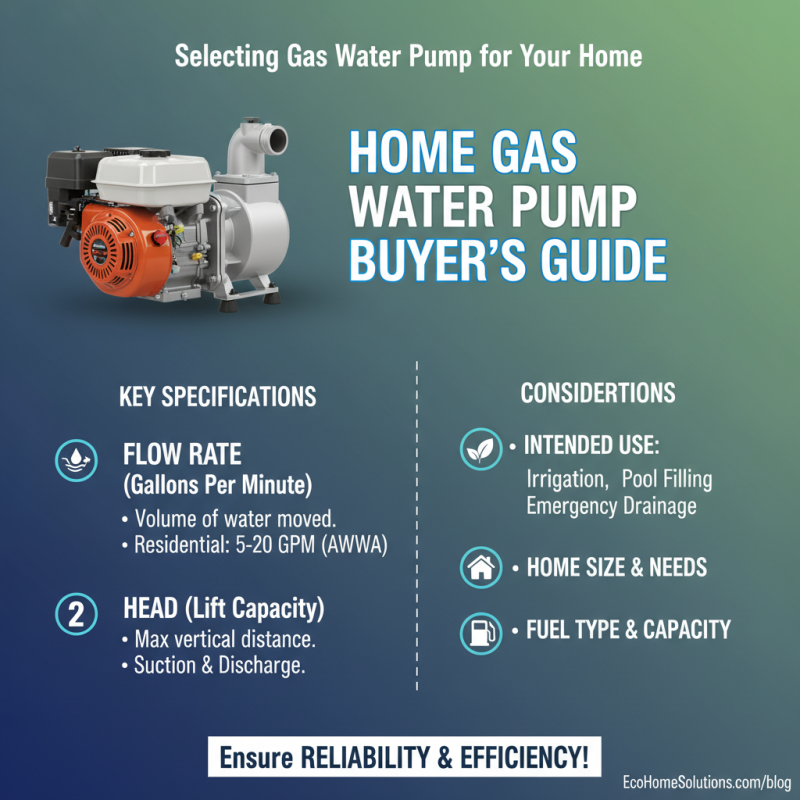
When selecting the right gas water pump for your home, there are several key specifications to consider that can significantly impact its performance and suitability for your needs. Firstly, the pump's flow rate is crucial; it indicates the volume of water the pump can move within a given time. According to a report by the American Water Works Association, an optimal flow rate for residential use typically ranges from 5 to 20 gallons per minute, depending on the specific requirements of household tasks such as irrigation, pool filling, or emergency drainage.
Another essential specification is the total head, which refers to the height the pump can effectively lift water. This metric is vital if you have elevation changes within your property. For instance, a report from the National Ground Water Association states that for effective operation, homeowners should seek pumps capable of handling heads of at least 25 to 30 feet, as this covers most common residential scenarios. Additionally, it's important to assess the pump's engine power, typically measured in horsepower (HP), which influences both flow rate and total head. A pump with 2 to 4 HP is generally sufficient for most home applications, ensuring efficient and reliable water delivery without excessive fuel consumption.
Evaluating Brand Reputation and Customer Reviews
When selecting a gas water pump for your home needs, one of the most critical aspects to consider is the reputation of the manufacturer.
A strong brand reputation often indicates reliability and quality, which are essential factors when investing in such equipment.
To evaluate reputation, start by looking into how long the brand has been in the market. Established brands tend to have a track record of customer satisfaction and product performance, providing you with a level of assurance.
In addition to brand reputation, customer reviews serve as invaluable resources for gauging the effectiveness and reliability of gas water pumps.
Reading through customer feedback allows potential buyers to understand real-world usage scenarios, highlighting both strengths and weaknesses.
Pay close attention to common themes in the reviews, such as durability, ease of use, and customer service experiences.
This insight can guide your choice towards a pump that not only meets your specific needs but is also backed by the experiences of others who have faced similar requirements.
Maintenance and Safety Tips for Gas Water Pumps
When it comes to gas water pumps, maintenance and safety are paramount to ensure efficient operation and longevity. Regular maintenance involves checking oil levels and replacing filters according to the manufacturer's recommendations. It is advised to inspect the pump for any signs of wear and tear, such as leaks or unusual noises, as these could indicate underlying issues that need immediate attention. Research indicates that a well-maintained gas water pump can operate effectively for over 10 years, significantly reducing the risk of unexpected failures.
Safety is another critical aspect when handling gas water pumps. Always operate the pump in a well-ventilated area to prevent the buildup of harmful fumes, and ensure that you are wearing appropriate safety gear, including gloves and goggles. According to the National Safety Council, proper handling of gas equipment can reduce the risk of accidents by 50%.
Tips: Always keep your gas water pump clean and free from debris, and check the fuel tank for leaks before each use. Additionally, familiarize yourself with the pump’s user manual, as it contains vital information on safety protocols and emergency shutdown procedures. This way, you can not only maximize the efficiency of your pump but also prioritize safety during operation.