Choosing the right pump products for your needs can be daunting. With so many options available, it's easy to feel overwhelmed. Each pump serves a specific purpose, from water transfer to industrial applications. Understanding your requirements is essential.
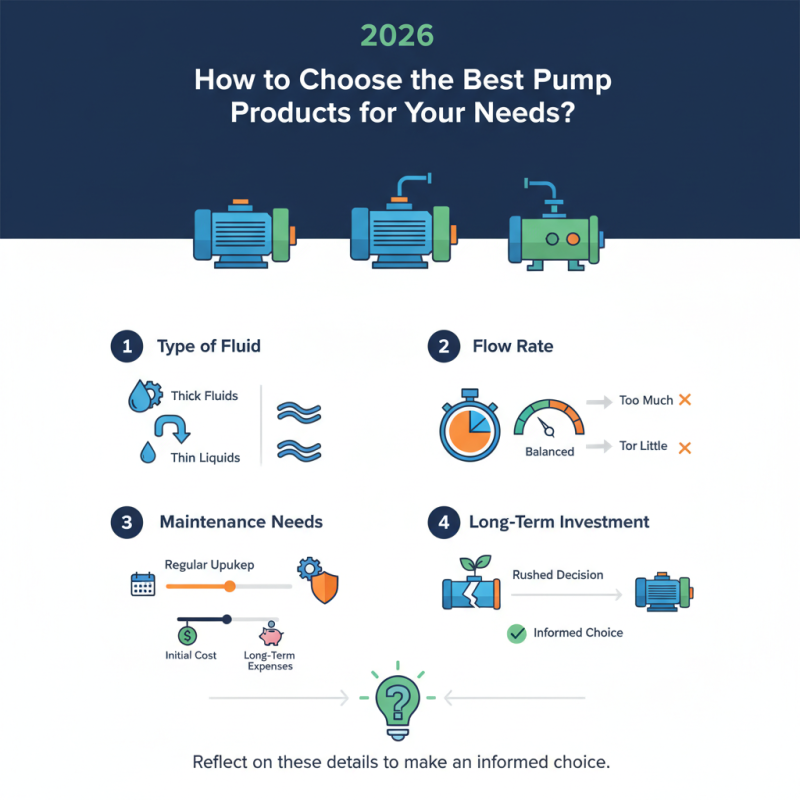
Consider the type of fluid you'll be pumping. Different pumps handle liquids differently. Some are designed for thick fluids while others perform best with thin liquids. Think about the flow rate you need. Too much or too little can lead to inefficiency.
Don't forget about maintenance needs. Some pump products require regular upkeep. This can add to your costs over time. It’s important to balance initial purchase price with long-term expenses. If you rush your decision, you might find yourself needing to replace it sooner than expected. Reflect on these details to make an informed choice.
When choosing the right pump, understanding the various types is crucial. There are several types of pumps available. Each serves specific needs.
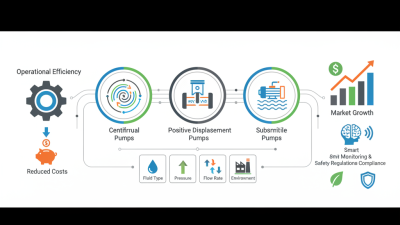
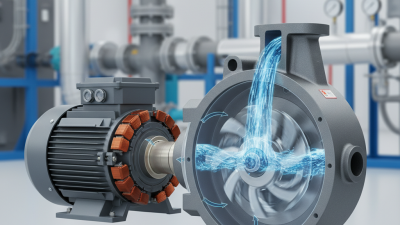
Centrifugal pumps are popular for liquids. They rely on rotational energy. This makes them effective in various applications. Often, they are used in industrial and agricultural settings.
Positive displacement pumps are another type. They work by trapping a fixed amount of fluid. Then, they displace it into a discharge pipe. This type is ideal for high-viscosity liquids. For example, they are common in food processing. However, they require more maintenance.
Submersible pumps are designed for underwater use. They are essential in groundwater extraction. These pumps can also be utilized in sewage systems. It's important to consider efficiency. Selecting the right pump can save money in energy costs. Reflect on the specific requirements of your project. Consider the fluid's properties and needed flow rates.
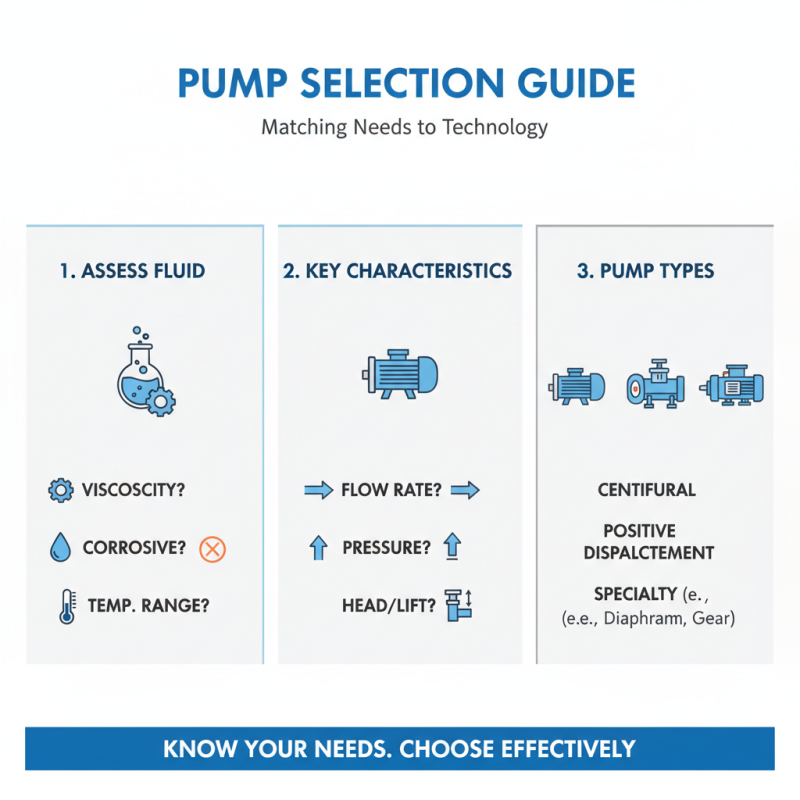
Choosing the right pump products requires a clear understanding of your specific needs. Start by assessing the fluid you will be pumping. Is it viscous or corrosive? What is the temperature range? Knowing these details will guide your selection effectively.
Consider the pump's flow rate and pressure requirements. You may need a high flow rate for large-scale operations. Conversely, low flow rates are sufficient for smaller tasks. Don’t forget about power sources. Electric pumps may suit your needs, but hydraulic options are worth exploring too.
**Tips:** Always consult technical specifications. They help match products to your needs. Test different pumps if possible. Observing their performance can reveal potential mismatches. Sometimes, a less popular choice may perform better for your situation. It’s okay to take time reflecting on your selections. Perfect decisions are rare.
When selecting pump products, performance metrics are crucial. Flow rate is one key metric. It refers to the volume of fluid the pump can move in a specific time. Higher flow rates can speed up processes. However, a pump that flows too quickly might cause issues, such as cavitation. This can damage the pump and reduce its lifespan.
Another important metric is head pressure. This indicates how high the pump can lift the fluid. It's essential to match head pressure to your application's needs. Choosing a pump with too little head pressure can lead to inadequate performance. Conversely, excessive pressure may lead to energy waste and increased costs. Consider the specific requirements of your system carefully.
Efficiency is also significant. It impacts operating costs over time. A less efficient pump may save money upfront but cost more in the long run. Analyze the performance curve, examining various stages of operation. An important detail is to consider how the pump will operate in real-world conditions. This aspect is often overlooked and can lead to purchasing errors.
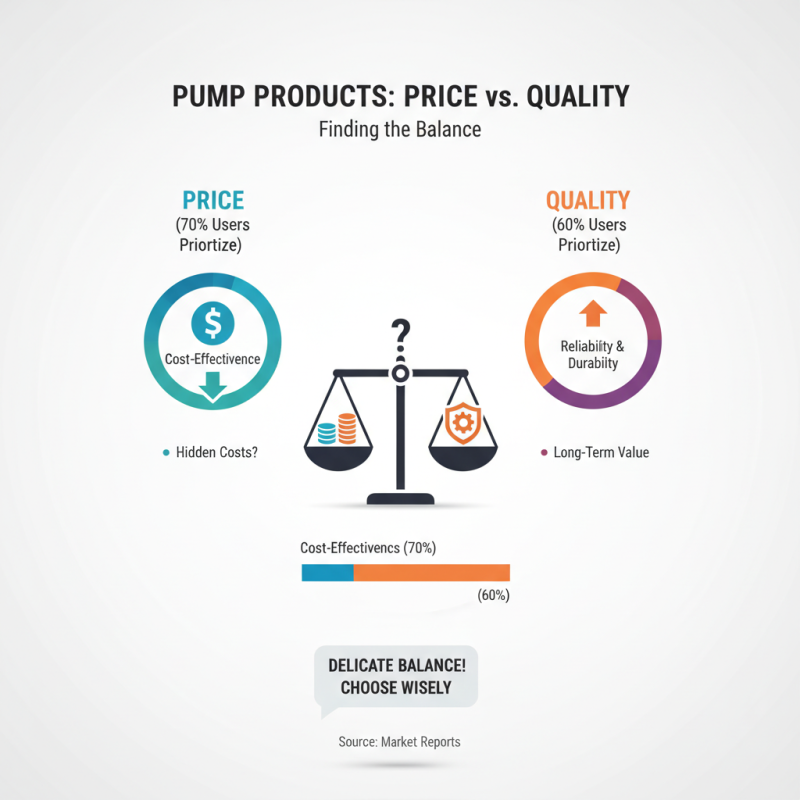
When choosing pump products, pricing and quality are crucial factors. Market reports show that around 70% of users prioritize cost-effectiveness, yet nearly 60% value quality just as highly. It’s a delicate balance. The decision-making process often feels overwhelming. Understanding the nuances in pricing can reveal hidden costs.
Many manufacturers position their products differently. For example, a mid-range pump might cost 15% less than a high-end option but can underperform in critical areas like efficiency. Reports indicate that inefficient pumps can increase operating costs by 30% over time. Buyers should not just focus on the initial price. Analyzing long-term value is essential.
Quality is also variable across brands. Some pumps might claim high performance but lack durability, leading to frequent replacements. Studies suggest that 40% of pumps fail within five years if not properly selected for their intended application. Reflecting on these factors can guide better purchasing decisions. Balancing immediate expenses with future viability remains a complex task.
When evaluating pump products, maintenance and support options are crucial. Regular maintenance ensures optimal performance and longevity. Without proper care, pumps can malfunction unexpectedly. This could lead to costly downtime. Many users neglect this aspect until issues arise. Consider how easy it is to obtain parts or service support. This can save time and frustration later.
Look for manufacturers that offer clear guidance on maintenance. Some provide detailed manuals or online resources. Others have dedicated customer service teams to assist you. Think about your ability to perform routine checks. Will you need special tools or training? Understand the level of support available before making a purchase. Sometimes, the cheapest option might not include good support. It’s essential to weigh costs against potential long-term benefits.
Finally, consider warranty options. A good warranty reflects confidence in the product. A short warranty term might indicate potential issues. Read reviews from other users about their experiences with maintenance. Are these pumps easy to service, or do they often require outside help? Gaining insight into real-world use can aid in making an informed decision.
Copyright © 2025. Rotech Pumps & Systems Inc. All rights reserved.