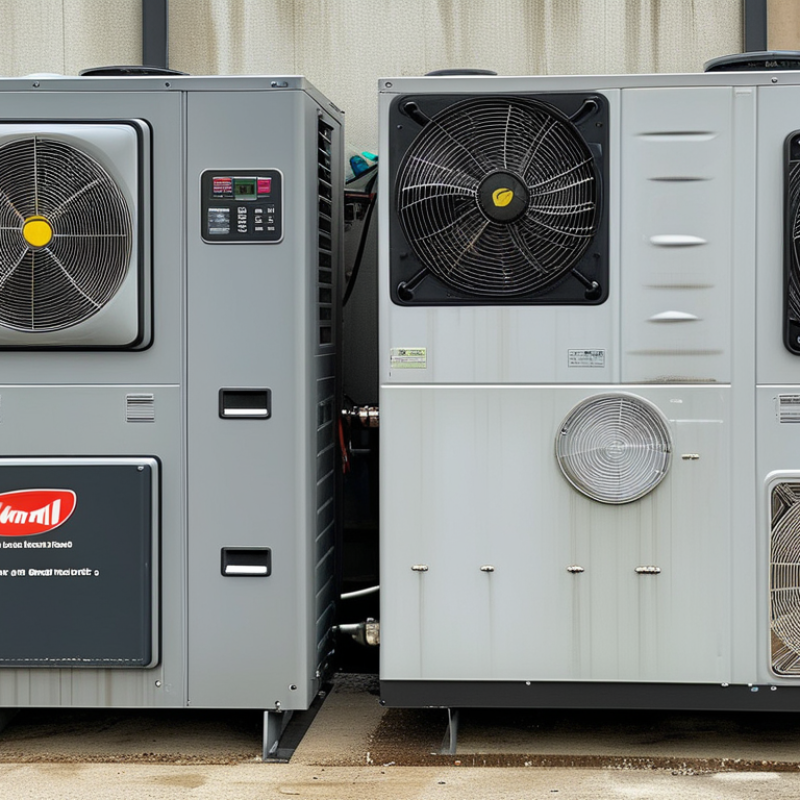
How to Choose the Best Commercial Condensing Unit for Your Needs?
When selecting a Commercial Condensing Unit, many factors come into play. Industry expert Dr. Sarah Thompson states, "The right unit can significantly influence energy efficiency and operational costs." Her words highlight the importance of understanding your specific needs before making a decision.
Choosing a Commercial Condensing Unit isn't always straightforward. Different environments, size requirements, and energy efficiencies can complicate the selection process. For instance, an inadequate unit can lead to increased energy bills or insufficient cooling. Reflecting on past choices in this area can uncover valuable lessons for future purchases.
In a competitive market, reliability is key. The best Commercial Condensing Unit should not only fit your budget but also serve your long-term needs. Therefore, a careful examination of available options, tailored to your operations, is crucial for success.
Understanding the Basics of Commercial Condensing Units
Commercial condensing units are essential for various businesses, especially in the food and beverage industry. Understanding the basics is crucial when selecting one. These units typically include a compressor, condenser coil, and evaporator. Knowledge of each component helps in making informed decisions.
The size of the unit is vital. A unit that is too small will struggle to keep up with demand. Conversely, one that is too large can lead to higher energy costs. Consider the location of installation. A well-ventilated area can improve efficiency and performance.
Regular maintenance is another aspect to consider. Discussing your needs with a professional can provide valuable insights. They can highlight potential issues and recommend solutions tailored to your situation. Reflecting on your specific requirements will save time and money in the long run.
Identifying Your Specific Cooling Needs and Applications
Choosing the right commercial condensing unit hinges on understanding your specific cooling needs. Different applications require distinct cooling capacities, efficiency ratings, and noise levels. For instance, the Food and Drug Administration (FDA) states that commercial refrigeration needs often range from 0°F to 40°F. Knowing your application will help narrow down the options.
Consider the layout of your space. If it’s an open kitchen, a quieter unit might be essential. Noise levels can be a crucial factor, especially in customer-facing areas. The U.S. Department of Energy (DOE) suggests that choosing units with lower decibel ratings can enhance the customer experience. Additionally, the efficiency of the condensing unit impacts your operational costs. Reports indicate that energy-efficient units can save up to 30% on electricity bills.
When selecting a condensing unit, think about future needs. Will your business expand? Be prepared to invest in a model that provides scalability. Assess the maintenance requirements too; more complex units may demand more attention and higher costs. Identifying what you truly need can lead to better long-term decisions.
Evaluating Energy Efficiency Ratings and Performance
When evaluating energy efficiency ratings for commercial condensing units, look beyond basic numbers. Understand the Seasonal Energy Efficiency Ratio (SEER) and Energy Efficiency Ratio (EER) which indicate how effectively the units convert energy into cooling. Higher ratings translate to better energy consumption, potentially leading to lower utility bills over time. However, efficiency doesn’t tell the whole story.
Consider the context in which the unit will operate. Different environments can impact performance significantly. For instance, a unit performing well in a temperate zone may struggle in extreme climates. Pay attention to load calculations, as they help determine the cooling demand accurately.
Don’t overlook maintenance needs when assessing performance. A highly rated unit requires consistent upkeep to maximize efficiency. Neglecting regular maintenance can lead to performance drops. Aim for a professional who can provide consistent support. Reflect on your specific requirements to make an informed decision. Emphasizing efficiency is crucial, but practical factors must also guide your choice.
Comparing Different Types of Commercial Condensing Units
When selecting a commercial condensing unit, it's crucial to consider various types available in the market. There are air-cooled and water-cooled units, each suited for different environments. Air-cooled units are often easier to install and maintain. However, they may struggle in high-temperature settings. Water-cooled units, on the other hand, can be more efficient. They typically use less energy but require more complex installation and maintenance.
Another factor to assess is the size of the unit. An undersized unit may not meet your cooling needs, causing it to work harder. This can lead to increased wear and inefficient performance. Conversely, an oversized unit can cycle on and off frequently. This can cause energy waste and reduce the lifespan of the unit. Balancing size and efficiency is essential for optimal performance.
Energy efficiency ratings should also play a significant role in your decision. Look for units with high ratings to save on energy costs. However, keep in mind that higher efficiency often comes with a higher initial cost. It’s a variable that requires careful consideration. Not all businesses can afford the most efficient options upfront.
Considering Installation and Maintenance Requirements
When choosing a commercial condensing unit, installation and maintenance are critical factors. The right setup can enhance efficiency, prolong the unit's life, and reduce operational costs. A proper location for the unit is essential. Ensure it's in a well-ventilated area, away from debris. This helps maintain optimal airflow and cooling performance.
Regular maintenance is another key consideration. It's vital to establish a routine inspection schedule. Technicians should check components like filters, fans, and coils. Neglecting these can lead to increased energy consumption and, ultimately, expensive repairs. Many businesses overlook this aspect. A generally accepted guideline suggests that simple maintenance can prevent up to 90% of problems.
Installation challenges often arise, especially in older buildings. Adapting to existing infrastructures can be tricky. Consider potential upgrades or modifications to improve efficiency. Training staff to recognize early signs of trouble can also be invaluable. However, not all companies invest in this kind of proactive approach, often leading to missed opportunities for improvement.