How to Choose the Best Forklift Collision Detection System?
Forklift collisions are a critical concern in warehouses and manufacturing facilities. According to a study by the National Safety Council, approximately 20,000 forklift-related injuries occur annually in the United States alone. The integration of a Forklift Collision Detection System can significantly reduce these incidents. Such systems employ advanced sensors and alarms to prevent accidents and protect workers.
However, not all detection systems are created equal. Businesses must consider factors like sensor accuracy, system integration, and ease of use. A report from OSHA highlights that organizations often underutilize safety technology, citing a lack of training on these systems as a barrier. This points to a need for ongoing education and investment in safety measures to maximize effectiveness.
Investing in the right Forklift Collision Detection System can save lives and reduce costs related to accidents. However, companies still face challenges in choosing the best solution. Cost considerations, compatibility with existing equipment, and the complexity of installation can complicate decisions. Careful evaluation is essential to ensure that the selected system meets the specific needs of the facility while enhancing safety protocols.
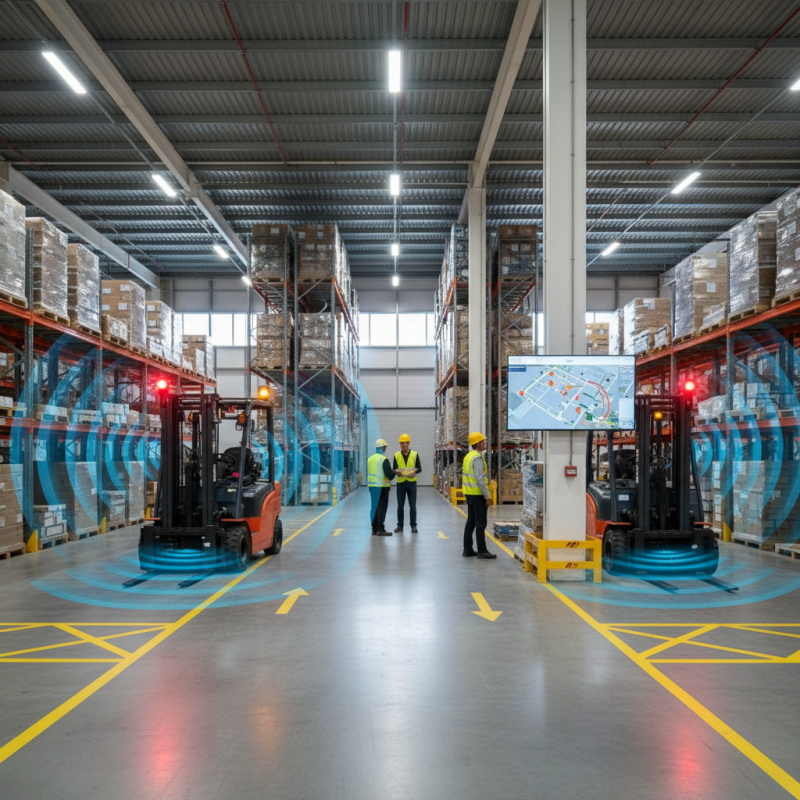
Understanding Forklift Collision Detection Systems
Understanding forklift collision detection systems is essential for improving workplace safety. These systems help prevent accidents by alerting operators of potential collisions. The core technology includes sensors, cameras, and alarms. These tools work together to identify obstacles and inform the forklift operator in real time.
Tips: When considering a system, think about the environment. Is it crowded? Are there tight spaces? Certain systems work better in open areas, while others excel in confined settings.
Additionally, keep in mind the ease of installation. Some systems can be fitted with minimal disruption. Others may require extensive modifications. Assess capabilities before committing to a choice.
Remember, no system is foolproof. A collision detection system complements training but does not replace it. Operators must remain vigilant and trained to handle unexpected situations. Regular system checks are also crucial to ensure functionality.
Key Features to Consider in Collision Detection Technology
When choosing a forklift collision detection system, focus on key features. Effective systems utilize advanced sensors. These sensors can detect nearby objects or people accurately. They help reduce the risk of accidents in busy warehouse environments.
Look for systems with real-time alerts. Immediate warnings can prevent collisions. Some systems include audible alarms or visual indicators. They notify operators of potential dangers promptly. This feature is crucial in maintaining a safe workplace.
Tips: Assess the system's reliability. Systems should work consistently in various conditions. Consider the installation process as well. A complicated setup might lead to improper use. Lastly, check for regular updates that improve the system’s performance. A system that evolves with technology can offer better safety over time.
Forklift Collision Detection System Features Comparison
Evaluating the Reliability and Accuracy of Detection Systems
When selecting a forklift collision detection system, reliability and accuracy play crucial roles. A system needs to function effectively in various environments. Factors such as weather, lighting, and obstacles could impact its performance. Some systems may struggle in poor visibility conditions, leading to potential safety risks. Test how different systems respond in these scenarios.
Accuracy is essential in preventing accidents. A reliable detection system should minimize false alarms. Systems that trigger alerts unnecessarily can create confusion and desensitize operators. It’s vital to evaluate their sensitivity. Some models may detect objects too late, while others may ignore smaller hazards. Understanding these limitations helps in finding the right fit for your specific needs.
Real-world evaluations are necessary. Review case studies or user feedback on system performance. Sometimes, companies report unexpected issues after implementation. These experiences can shed light on the hidden flaws of a system. Engaging in discussions with other users may unveil critical insights. Consider how these systems adapt to your operational landscape to ensure effective safety measures are in place.
How to Choose the Best Forklift Collision Detection System?
| System Type | Detection Method | Accuracy Rate | Response Time | Ease of Installation | Price Range |
| Laser-Based | Laser Sensors | 95% | 200 ms | Moderate | $4,000 - $6,000 |
| Ultrasonic | Ultrasonic Sensors | 90% | 300 ms | Easy | $3,000 - $5,000 |
| Camera-Based | Video Cameras | 92% | 250 ms | Complex | $5,000 - $8,000 |
| Radar-Based | Radar Technology | 94% | 150 ms | Moderate | $4,500 - $7,000 |
Integration with Existing Warehouse Management Software
In warehousing, integrating a forklift collision detection system with existing warehouse management software is critical. Data from industry reports show that about 25% of warehouse accidents are due to collisions. An effective system can help reduce these incidents.
When choosing a system, consider compatibility with your warehouse management software. Not all systems integrate seamlessly. Research shows that systems that work well together can lead to a 15% increase in operational efficiency. It's essential to identify any existing software limitations that could affect integration. Ask your team for input. This may reveal overlooked concerns.
Tips for a smooth integration include ensuring real-time data flow. This helps in making immediate operational decisions. Regular training on how to use both systems in tandem can boost safety and productivity. However, issues may still arise. Be ready to address them. Keep communication open among staff to refine the integration process over time. Monitoring results after integration is crucial. It shows if the system meets safety and performance goals.
Assessing Costs vs. Benefits of Forklift Collision Solutions
When evaluating forklift collision detection systems, costs and benefits are crucial. Research shows that workplace accidents involving forklifts can lead to significant financial losses. According to industry reports, these accidents can cost businesses more than $150,000 per incident. This makes it essential to invest wisely in prevention solutions.
Analyzing various solutions reveals a range of costs. Some systems come with a hefty upfront price. However, they often reduce accident rates significantly. For instance, a comprehensive solution can lower accidents by 40%. This reduction not only enhances safety but also cuts costs associated with injuries and property damage.
It's important to weigh these factors against potential losses. Hidden expenses like downtime and legal fees from accidents can escalate quickly. Reflecting on this, businesses must consider not just initial investments but long-term savings from reduced incidents. Investing in effective collision detection can seem expensive, yet the real cost of neglect is often far greater.