Top 10 Tips for Choosing the Best Water Pump for Your Home
Choosing the right water pump for home use is essential for ensuring efficient water supply, whether for irrigation, household chores, or general water management. With a variety of options available on the market, selecting a suitable water pump can seem overwhelming. Homeowners must consider factors like the pump's flow rate, power source, and intended use to make an informed decision that meets their specific needs.
In this guide, we will present the top 10 tips for choosing the best water pump for home applications. By carefully evaluating these factors, you will be better equipped to select a water pump that not only performs effectively but also fits your budget and long-term requirements. Understanding the intricacies of water pumps will empower you to maintain optimal water flow and enhance the overall functionality of your home. Whether you need a pump for a well, a sump pump for managing groundwater, or a utility pump for general purposes, our tips will help you make the best choice to facilitate a reliable water supply in your home.
Key Considerations for Selecting a Home Water Pump
When it comes to selecting a home water pump, several key considerations can significantly impact your choice and ensure the optimal functioning of your system.
One of the foremost factors is the type of water you need to pump. Whether it's for irrigation, basement drainage, or domestic water supply can determine the kind of pump you require. According to the American Society of Agricultural and Biological Engineers, residential water pumps should be appropriately paired with the intended application to maximize efficiency and performance.
Another crucial aspect is the flow rate and pressure requirement. The flow rate, measured in gallons per minute (GPM), should match the demands of your household. Research indicates that average household consumption ranges from 30 to 50 GPM, depending on the number of fixtures in use simultaneously. Thus, evaluating your specific needs can prevent you from under- or oversizing the pump, which is vital for energy efficiency and longevity of the equipment.
When choosing a water pump, consider also the material construction. Stainless steel and cast iron are common materials that offer durability and resistance to corrosion. Additionally, ensure the pump you choose meets the energy efficiency regulations set by local authorities, as this can lead to significant savings over time. Implementing these considerations will not only enhance your home's water system but will also contribute to a more sustainable and cost-effective solution for your household needs.
Understanding the Different Types of Water Pumps Available
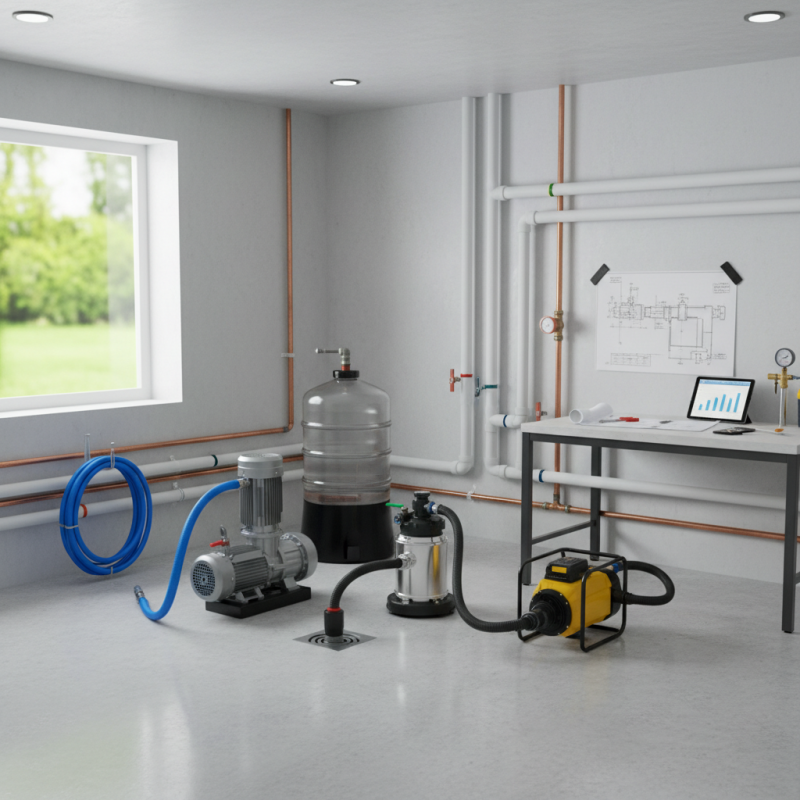
When it comes to choosing the best water pump for your home, understanding the different types of water pumps is crucial. Water pumps can generally be categorized into various types including
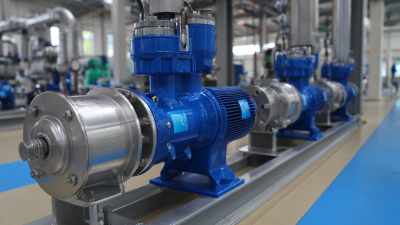
centrifugal pumps,
submersible pumps, and
jet pumps.
Centrifugal pumps are ideal for transferring water from one place to another and are widely used in residential applications due to their efficiency. According to industry reports,
centrifugal pumps account for nearly 80% of all water pump sales globally, indicating their popularity and reliability among homeowners.
Submersible pumps, on the other hand, are designed to operate while submerged in water. These pumps are frequently used in wells or basements to remove excess water. Their sealed design helps prevent electrical hazards and improves longevity. Additionally,
jet pumps work by creating a vacuum to draw water from deep underground, making them an excellent option for properties with deeper water sources. Each type of pump comes with its advantages and is suited to different applications.
When selecting a water pump, consider the specific requirements of your home. For example, a centrifugal pump might be best for general water transfer tasks, while a submersible pump is essential for drainage. It's also important to assess the flow rates and pressure specifications needed for your household.
Investing time in understanding these differences can greatly enhance your selection process.
Evaluating Pump Performance Metrics and Specifications
When selecting the best water pump for your home, understanding the performance metrics and specifications is crucial. Key factors to consider include flow rate, which determines the volume of water the pump can move in a given time. It is typically measured in gallons per minute (GPM) or liters per minute (LPM). A higher flow rate is essential for applications where large amounts of water need to be moved swiftly, such as in irrigation or filling a pool. Additionally, the total dynamic head (TDH) is another significant specification; it represents the total height the pump must lift the water, factoring in both static lift and friction losses in the piping system.
Another important specification is the pump's power consumption, usually indicated in horsepower or watts. This metric not only affects the operational cost but also indicates the pump's efficiency and suitability for your specific needs. You should also evaluate the materials used in the pump's construction, especially if it will handle corrosive or abrasive substances. Lastly, consider the pump's operational noise levels, as quieter options can significantly enhance comfort in residential settings. By carefully assessing these performance metrics and specifications, you can select a water pump that meets your home’s requirements effectively and efficiently.
Factors Influencing Water Pump Pricing and Budgeting
When considering the best water pump for your home, budgeting plays a crucial role in your decision-making process. According to industry reports, the cost of a residential water pump can range from $100 to over $1,500, depending on factors such as pump type, capacity, and additional features. To make informed decisions, understanding these factors can help homeowners allocate their resources more effectively. For example, submersible pumps tend to be more expensive due to their complex design and capability to work underwater, while jet pumps might offer a more budget-friendly option for specific applications.
When budgeting for a water pump, it's essential to factor in installation costs, which can add an additional 50% to the total price in some cases. A well-planned installation will not only save on future repairs but will also ensure optimal performance from your pump. One tip for homeowners is to consider energy efficiency; investing in an energy-efficient pump can lower long-term operational costs, making it a more sensible choice despite a higher upfront price.
Another aspect to consider is the maintenance costs associated with the pump. Proper maintenance is key to prolonging the lifespan of your equipment, and high-maintenance models can accumulate costs over time. Therefore, consumers should not only look at the initial purchase price but also at the projected maintenance expenses. Seeking expert advice and conducting thorough research can greatly assist in navigating these financial considerations and selecting the most suitable pump for your household needs.
Maintenance Tips for Ensuring Longevity of Your Water Pump
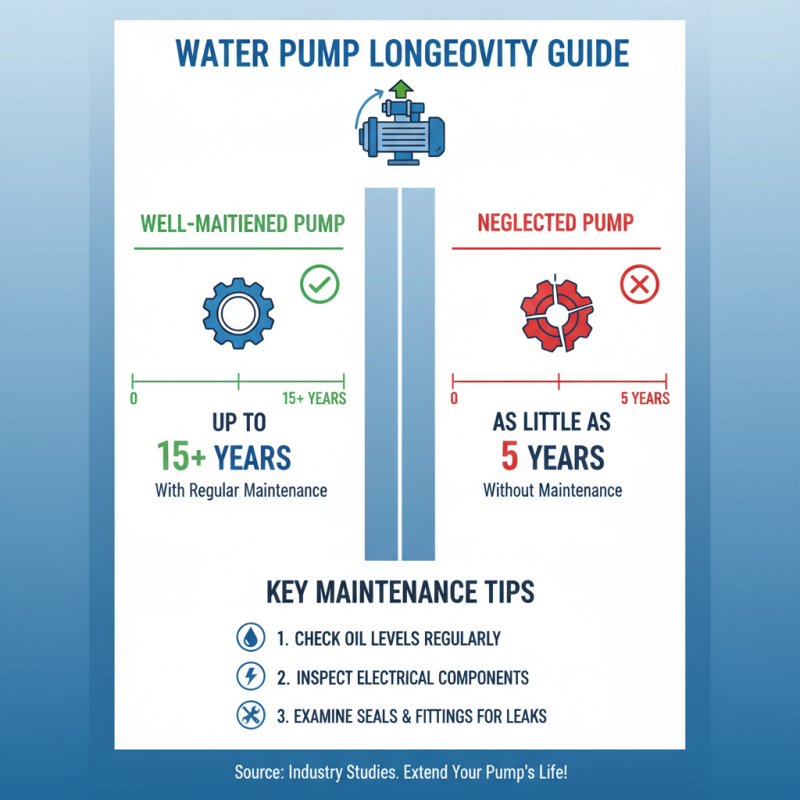
Maintaining the longevity of your water pump is crucial not only for ensuring its efficient performance but also for preventing costly repairs or replacements. Regular maintenance can extend the lifespan of a water pump significantly. According to industry studies, a well-maintained pump can last up to 15 years or more, while neglect can shorten its lifespan to as little as 5 years. Key maintenance tips include checking the pump's oil levels regularly, ensuring that all electrical components are functioning properly, and inspecting seals and fittings for leaks.
Routine cleaning is another essential aspect of pump maintenance. Dust and debris can accumulate around the pump, obstructing airflow and leading to overheating. A report from the American Society of Mechanical Engineers indicates that clean pumps operate up to 10% more efficiently than those that are neglected. Additionally, ensure that the water source is free of debris and sediment, as this can clog the impeller and reduce performance. Implementing a seasonal inspection routine not only safeguards against unexpected breakdowns but also enhances the overall efficiency of your water system, securing a continuous supply of water for your home.