How to Choose the Right Pump Catalog for Your Needs?
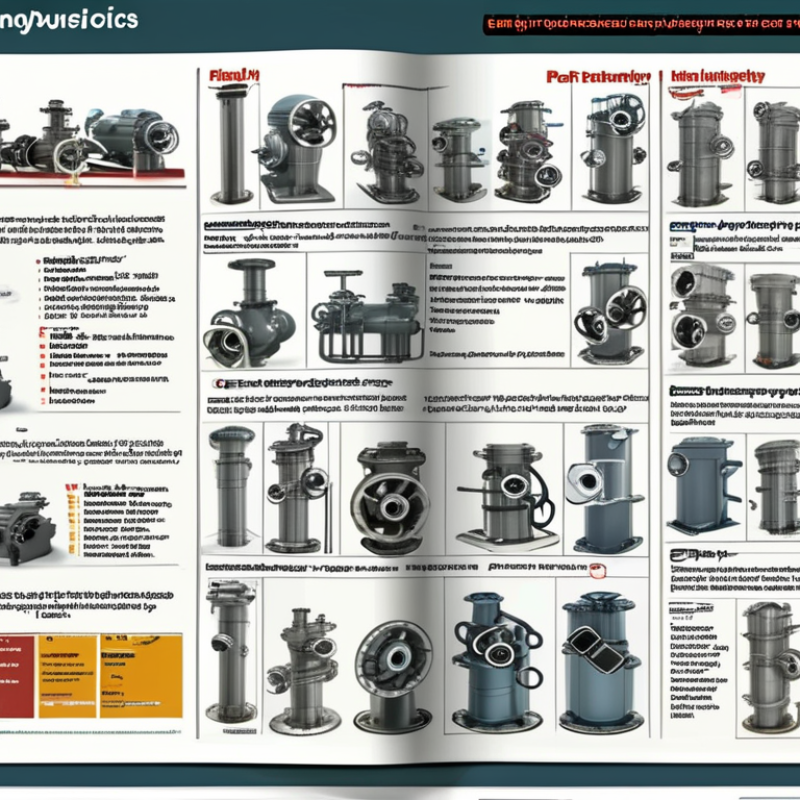
Choosing the right pump catalog can seem overwhelming. The variety of options available often causes confusion. Selecting the best pump for your needs requires understanding key specifications and applications. A robust pump catalog provides essential details about each model.
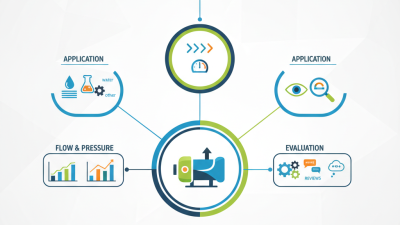
When exploring a pump catalog, consider factors like flow rate, pressure, and application types. Different industries require different solutions. Whether it's chemical processing or agricultural use, the right catalog helps narrow your options. Evaluate the features that are most important to your specific situation.
However, be aware that no single catalog may meet all your needs perfectly. You may need to consult multiple sources. This reflection helps enhance your decision-making. Quality and reliability should guide your choice. Your selection can impact performance and efficiency, making the right pump catalog invaluable.
Understanding Different Types of Pumps and Their Applications
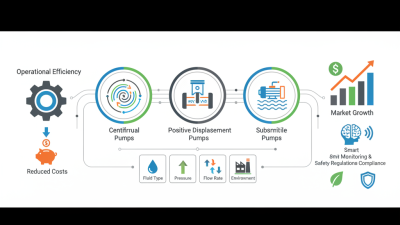
When considering pumps, understanding the various types is crucial. Centrifugal pumps are common in many sectors. They use rotating blades to move fluids efficiently. These are ideal for high flow rates and low-viscosity liquids. However, they struggle with viscous fluids or those containing solids. This limitation can impact overall system performance.
On the other hand, positive displacement pumps offer a different advantage. They move a fixed amount of fluid per cycle, regardless of pressure. This makes them suitable for thick liquids and slurries. Industries like food processing and chemical manufacturing often rely on these pumps. But, attention to maintenance is vital. They can wear down quickly if not properly serviced.
Submersible pumps operate underwater and are essential for dewatering or sewage systems. Their design allows for efficient operation in challenging conditions. Nonetheless, their installation can be complex, and accessibility is often an issue. It's important to weigh these factors carefully. By understanding the unique applications of each pump type, you can make more informed choices that fit your specific needs.
Understanding Different Types of Pumps and Their Applications
This chart illustrates the distribution of different types of pumps based on their common applications. It helps to identify which type of pump is suitable for specific needs.
Identifying Your Specific Pump Requirements and Constraints
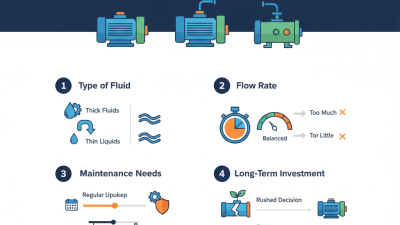
Choosing the right pump catalog begins with understanding your specific requirements. Different applications demand unique solutions. Factors like the type of fluid, flow rate, and pressure are crucial. For example, recent industry reports highlight that 30% of pump inefficiencies arise from mismatched specifications. Knowing your constraints upfront saves time and money.
Consider the environment where the pump will operate. Is it a corrosive setting? What is the temperature range? These details dictate the materials and design needed. An inappropriate selection can lead to frequent breakdowns. According to a study by the Hydraulic Institute, 40% of pumping systems operate at a lower efficiency than their design intent.
**Tip:** Create a checklist of your operational needs. Include technical parameters like viscosity and suction conditions. This can guide you effectively.
It's essential to evaluate reliability. Pumps with proven reliability reduce downtime. Look for performance data and customer feedback when reviewing catalogs. Not every catalog is created equal; some lack depth. Relying solely on aesthetics can lead to regret.
**Tip:** Ask for case studies that demonstrate reliability in similar applications. This helps in making an informed decision.
Assessing Pump Performance Ratings and Specifications
Choosing the right pump catalog requires careful examination of performance ratings and specifications. Identifying the optimal pump involves understanding key metrics like flow rate and pressure. Flow rate, commonly measured in gallons per minute (GPM), indicates how much fluid the pump can move. A higher GPM is beneficial for larger applications but may not be necessary for smaller needs.
Pressure ratings are equally important. Pumps are rated for specific pressure ranges, often expressed in pounds per square inch (PSI). Selecting a pump with a pressure rating far exceeding your application’s needs can lead to inefficiencies and potential damage. However, underestimating requirements can also result in underperformance.
Moreover, take note of materials and design. Corrosive fluids require pumps with specialized components. A mismatch here can lead to premature wear or failure. Evaluating the environment where the pump will operate is essential for longevity.
In both cases, scrutinizing the catalog in detail is paramount. Expert specifications offer insights into the expected lifespan and maintenance needs. Yet, sometimes there might be discrepancies in advertised versus actual performance. Gathering real-world user feedback enhances your understanding. Understanding these nuances helps in selecting a pump that truly meets your operational requirements.
How to Choose the Right Pump Catalog for Your Needs? - Assessing Pump Performance Ratings and Specifications
| Pump Type |
Flow Rate (GPM) |
Head Pressure (ft) |
Power (HP) |
Efficiency (%) |
| Centrifugal Pump |
50 |
75 |
5 |
85 |
| Positive Displacement Pump |
30 |
50 |
3 |
90 |
| Submersible Pump |
40 |
60 |
4 |
80 |
| Diaphragm Pump |
20 |
30 |
2 |
75 |
| Gear Pump |
25 |
40 |
3.5 |
88 |
Comparing Pump Catalogs: Key Features and Benefits
When comparing pump catalogs, it’s crucial to identify key features that align with your project requirements. Each catalog presents unique specifications, materials, and designs. Focus on assessing flow rates, operating pressures, and energy efficiency. These factors directly impact performance and cost-effectiveness. Consider where the pump will be installed. Will it face harsh environments or operate continuously? Your choice should reflect these conditions.
The benefits of a well-chosen pump catalog extend beyond performance. Reliable catalogs often provide detailed performance curves and installation guides. Look for those that include maintenance recommendations. This can save future headaches. However, not all catalogs are easy to navigate or sufficiently detailed. You may find some lacking technical depth. Reflecting on your needs can guide you to better resources.
Trustworthy catalogs give insights into warranty policies and customer support. Evaluate these elements to ensure long-term satisfaction. While searching, you might encounter overwhelming information. One catalog might feature advanced tech details, while another is user-friendly but lacks comprehensiveness. Weighing these aspects is essential in making the right choice. A hasty decision could lead to complications down the line.
Evaluating Manufacturer Reputation and Customer Support Services
Choosing the right pump catalog goes beyond technical specifications. Evaluating the manufacturer’s reputation is crucial. Research shows that 70% of customers prioritize brand reputation when selecting a supplier. A positive reputation often reflects reliability and quality, which are vital in pump selection.
Customer support services are another critical factor. Reports indicate that 65% of users consider post-purchase support as vital. When issues arise, having accessible and knowledgeable support can save time and costs. Some manufacturers offer 24/7 assistance, while others have limited availability, which might lead to frustrations.
Consider user reviews and testimonials. Many potential issues can arise if customer service is lacking. Understanding past experiences can help steer clear of manufacturers with poor support. Feedback should be a key part of your evaluation. Balancing reputation with genuine service quality can lead to better decisions in the long run.