How to Choose the Right Submersible Water Pump for Your Needs?
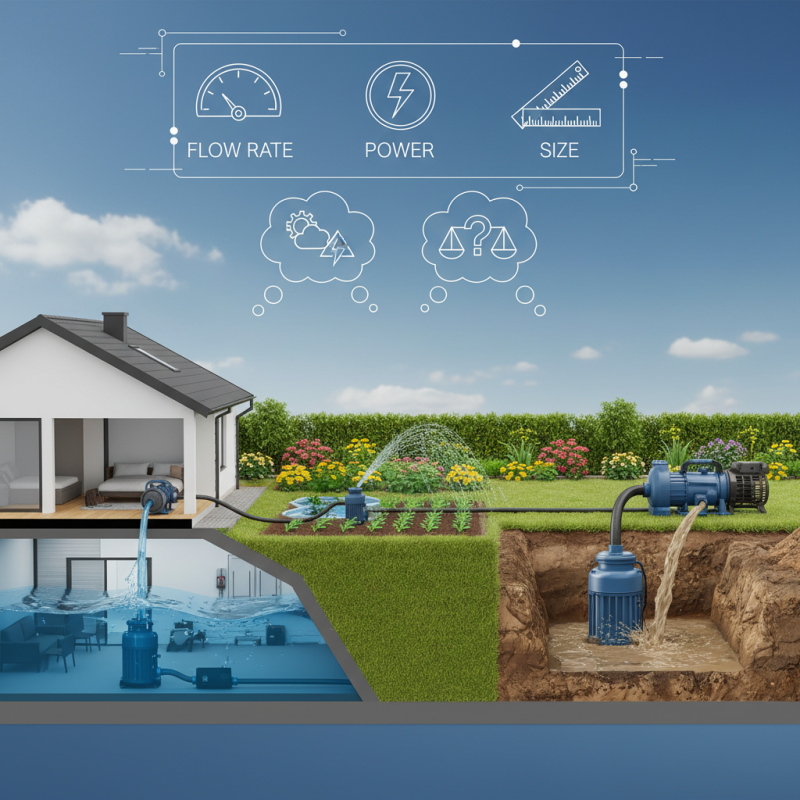
Choosing the right submersible water pump can be challenging. With various options available, it’s easy to feel overwhelmed. This pump type is crucial for many applications. They can drain basements, supply water to gardens, or aid in construction sites.
Understanding the specific requirements for your needs will help in making the right choice. Factors such as flow rate, power, and size are essential. Think about where you’ll use the submersible water pump. Each situation demands different features.
It’s important to research different models. Some may seem perfect but could lack reliability. Reflect on your water needs carefully. A pump might not perform as expected in extreme conditions. Weigh pros and cons before buying. Your decision could save you time and money.
Understanding the Types of Submersible Water Pumps Available
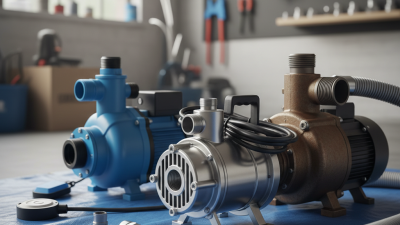
When selecting a submersible water pump, understanding the types available is crucial. Submersible pumps come in various styles. There are utility pumps designed for draining puddles or flooded areas. These are often lightweight and portable.
On the other hand, sewage pumps handle wastewater with solids. They feature macerators for better processing.
Another type is the deep well pump, ideal for groundwater extraction. These pumps can reach deep sources, ensuring a steady supply.
Each type serves distinct needs, so your choice depends on the specific task at hand.
Tips: Consider your pumping volume. Think about how much water you need to move. Evaluate your power source too. Some pumps run on electricity, while others are gas-powered. Lastly, check for the pump's durability. Depending on usage, wear and tear must be considered. A tough, resilient pump might cost more but will serve you better.
Identifying Your Specific Water Pumping Needs and Requirements
When choosing a submersible water pump, identify your
specific needs. Are you dealing with clear water
or dirty water? The type of water influences
the pump you should select. Consider the depth from
which you need to pump water. Pumps come with different maximum depth ratings. If you underestimate
the required depth, the pump may not function properly.
Think about the flow rate you need. This often
depends on your project size. Small garden projects may need less than 1,000 gallons per hour.
In contrast, larger applications, like basement flooding, require more. It's crucial to assess the
volume and speed
required, as this affects how quickly you can drain water.
Don't overlook other factors. Noise level can be
an issue if you’re in a residential area. Make sure to check the energy
efficiency too. Higher efficiency means lower operational costs. Additionally, read reviews
or seek advice. Sometimes, user feedback can reveal challenges you may not have anticipated. Reflecting
on your priorities can help narrow down your
options.
Evaluating Key Features and Specifications of Submersible Pumps
When selecting a submersible water pump, evaluating key features is essential. The desired flow rate is one of the most critical specifications. For example, a pump with a flow rate of 1,000 gallons per hour can be ideal for small to medium applications. According to industry reports, the typical flow rates for residential pumps range from 500 to 3,000 gallons per hour. Understanding your needs will help you choose wisely.
Head pressure is another factor to consider. It indicates how high the pump can lift water. Many pumps can lift water up to 20 feet. However, some situations may require pressure beyond common specifications. Choosing a pump with inadequate head pressure is a common mistake. This mistake can lead to insufficient water delivery in the long term.
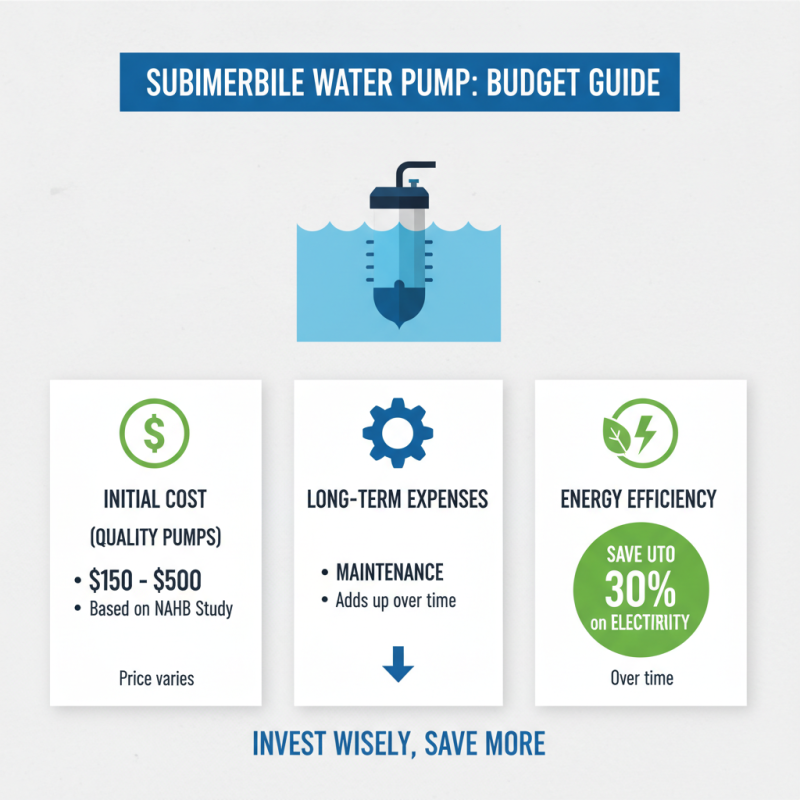
Additionally, power consumption is vital. Pumps with higher horsepower tend to be more efficient but also consume more energy. Many users overlook energy cost during purchase decisions. While a higher initial cost may seem daunting, efficient models can save money over time. This balance between power and cost is not always easy to achieve. Testing various options and carefully comparing specifications can lead to better choices.
How to Choose the Right Submersible Water Pump for Your Needs?
| Feature |
Specification |
Description |
| Power Rating |
1/4 HP - 2 HP |
The motor power needed based on your application. |
| Flow Rate |
10 - 150 GPM |
Amount of water the pump can move in a minute. |
| Maximum Head |
10 - 40 feet |
Height the pump can lift water vertically. |
| Material |
Stainless Steel / Plastic |
Durability and corrosion resistance of the pump. |
| Cord Length |
10 - 30 feet |
Length of power cord for better reach. |
| Weight |
10 - 50 lbs |
Portability considerations based on pump design. |
| Warranty |
1 - 3 years |
Duration of manufacturer-backed service. |
Maintenance Tips for Longevity of Your Submersible Water Pump
Maintaining your submersible water pump is essential for its longevity.
Regular inspections are crucial. Check for any signs of wear or damage. Inspect the power cord for frays.
Look at the impeller and screen. Clean them to prevent blockages.
Always change the oil as recommended. Old oil can lead to overheating.
Also, keep the pump submerged when in use. Running it dry can cause severe damage. After each use,
rinse it with clean water to remove debris.
Store the pump properly during off-seasons. Keep it in a dry location.
Avoid areas with extreme temperatures.
Covering the pump can protect it from dust. Reflecting on these practices ensures your pump runs smoothly
when you need it.