Top Circuit Protection Thermistor Solutions for Global Buyers?
In today's technology-driven world, the demand for reliable circuit protection solutions continues to grow. Among these solutions, Circuit Protection Thermistors stand out as essential components. They help prevent damage caused by overcurrent and excessive heat. This article explores the top thermistor solutions available for global buyers, emphasizing their critical roles in various applications.
Circuit Protection Thermistors are often used in consumer electronics, automotive systems, and industrial equipment. Their effectiveness in safeguarding circuits enhances product longevity. Buyers must understand their specifications and applications to make informed choices. Exploring user experiences can shed light on the best options.
However, the landscape of thermistor solutions can sometimes be confusing. Many brands offer similar products, making it challenging to select the best. Identifying trusted manufacturers and understanding their unique offerings can be a daunting task. It’s essential to weigh your options and reflect on the specific needs of your application before deciding.
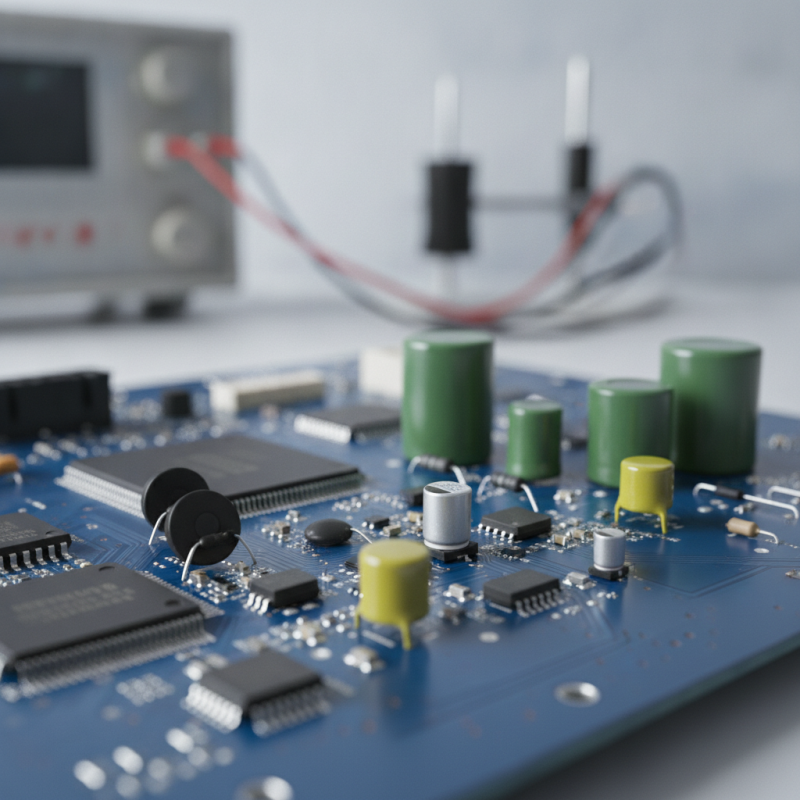
Overview of Thermistors in Circuit Protection Applications
Thermistors play a crucial role in circuit protection applications. These temperature-sensitive resistors adjust their resistance based on heat. This function is essential in preventing overcurrent situations. By accurately detecting temperature changes, thermistors can protect sensitive electronic components.
There are two main types of thermistors: NTC and PTC. NTC thermistors decrease resistance with heat, providing a quick response to overheating. PTC thermistors, on the other hand, increase resistance at higher temperatures. This property helps them act as resettable fuses. However, the choice between NTC and PTC can be challenging for designers. Each type has unique characteristics and applications that need careful consideration.
While thermistors are effective, they are not flawless. Temperature variations can influence their performance. In some cases, they may fail to react quickly enough to prevent damage. This unpredictability calls for thorough testing and validation. Designers must factor in the environment where the thermistor will be used to ensure reliability.
Key Types of Thermistors for Circuit Protection
Thermistors play a crucial role in circuit protection across various applications. When selecting thermistors, it's essential to understand the key types available. NTC (Negative Temperature Coefficient) thermistors are widely used due to their sensitivity to temperature changes. They are cost-effective solutions for overcurrent protection, helping to prevent circuits from damage. According to a recent market report, NTC thermistors accounted for over 50% of the global thermistor market in 2022.
On the other hand, PTC (Positive Temperature Coefficient) thermistors serve as resettable fuses. PTC devices exhibit a significant increase in resistance when the temperature rises, effectively limiting the current flow. These are ideal for applications that require a self-resetting mechanism. Data indicates that PTC thermistors are projected to grow at a CAGR of 8% over the next five years, indicating their increasing adoption in various fields.
**Tips:** When considering thermistor solutions, assess the thermal response time required for your application. Additionally, evaluate the operating voltage and current ratings for optimal performance. Never overlook the ambient conditions the devices will face. A mismatch can lead to inefficient operation or failure, resulting in costly repairs. Make use of thermal simulations to analyze performance before making a decision.
Top Circuit Protection Thermistor Solutions for Global Buyers
| Thermistor Type | Temperature Range (°C) | Resistance Value (Ω) | Power Rating (W) | Applications |
| NTC Thermistor | -40 to 125 | 10k | 0.5 | Temperature Sensing |
| PTC Thermistor | 0 to 150 | 1k | 1.0 | Overcurrent Protection |
| MF72 Thermistor | -20 to 85 | 100k | 0.2 | Consumer Electronics |
| NTC Inrush Current Limiter | -40 to 100 | 15Ω | 3.0 | Power Supplies |
| SMD NTC Thermistor | -30 to 125 | 4.7k | 0.1 | Automotive Applications |
Factors Influencing Thermistor Selection for Global Buyers
When selecting thermistors, several factors come into play. Environmental conditions are critical. Temperature ranges and humidity levels can dramatically affect thermistor performance. Buyers must consider the specific conditions their devices will operate in. Understanding these elements can prevent premature failures.
Application requirements also shape the choice of thermistor. Different industries have unique needs, whether it’s automotive, consumer electronics, or power management. Each application demands specific specifications. For instance, automotive systems require high reliability under varying conditions. In contrast, consumer electronics may prioritize compact size.
Cost plays a vital role in thermistor selection. While high-quality solutions exist, budget constraints often dictate choices. Buyers may compromise on specifications or reliability to meet their budget. This approach can lead to challenges down the line. Evaluating long-term value against initial costs is essential. Balancing quality and affordability requires thoughtful consideration.
Leading Manufacturers of Circuit Protection Thermistors
When discussing circuit protection thermistors, leading manufacturers play a vital role. These innovators develop devices that prevent circuit failures. Their expertise in material science and engineering is crucial. Thermistors maintain safety in numerous applications, from consumer electronics to medical devices. Their designs focus on reliability and efficiency.
Top manufacturers invest in rigorous testing procedures. They ensure their thermistors meet global standards. This diligence reflects their commitment to quality. However, not every thermistor serves every application perfectly. Users must evaluate specifications carefully. Misapplications can lead to inefficiencies or failures.
Developing circuit protection solutions often requires a deep understanding of thermal dynamics. Some manufacturers excel in this area, but not all meet the same level of expertise. It's essential for buyers to research and verify claims. A strong collaborative relationship can enhance outcomes, enabling users to design safer circuits with reliable thermistor solutions.
Future Trends in Thermistor Technology and Applications
The thermistor market is evolving rapidly. Recent reports indicate that the global thermistor market is projected to grow at a CAGR of 6.4% from 2023 to 2030. This growth is fueled by the increasing demand for energy-efficient solutions. New applications in renewable energy and electric vehicles are driving innovations in thermistor technology.
As industries seek more reliable protection solutions, engineers are exploring advanced materials. These materials enhance performance in extreme conditions. Emerging trends suggest a focus on miniaturization and integration with smart technologies. A study by Fortune Business Insights highlights the need for improved thermal management in compact electronic devices.
Despite advancements, challenges remain. Manufacturers face difficulties in standardizing specifications across diverse applications. The inconsistency in quality can lead to reliability issues. Ongoing research aims to address these gaps. Developing precise calibration methods is crucial for enhancing thermistor performance. The industry must stay vigilant as technology continues to progress.