What is Die Spring and How Does it Impact Global Sourcing?
Die Spring plays a crucial role in the manufacturing process. It is an essential component used in various applications, particularly in metalworking and molding. Understanding Die Spring is vital for businesses involved in global sourcing. This component can significantly impact product quality and production efficiency.
In global sourcing, the choice of materials and components strongly influences overall costs. Die Spring, often sourced from specialized suppliers, introduces complexities. Deciding on the right supplier involves assessing quality, reliability, and cost-effectiveness. Every sourcing decision reflects on businesses’ performance and reputation. Mistakes in this area can lead to production delays and increased costs.
Manufacturers must carefully evaluate their Die Spring suppliers. Factors to consider include technical specifications, load capacity, and durability. A wrong choice may result in failure during production, impacting timelines. Quality assurance practices are essential in this process. Achieving an effective sourcing strategy can provide a competitive edge. However, this requires continuous reflection and adaptation to changing market demands.
What is Die Spring: Definition and Overview
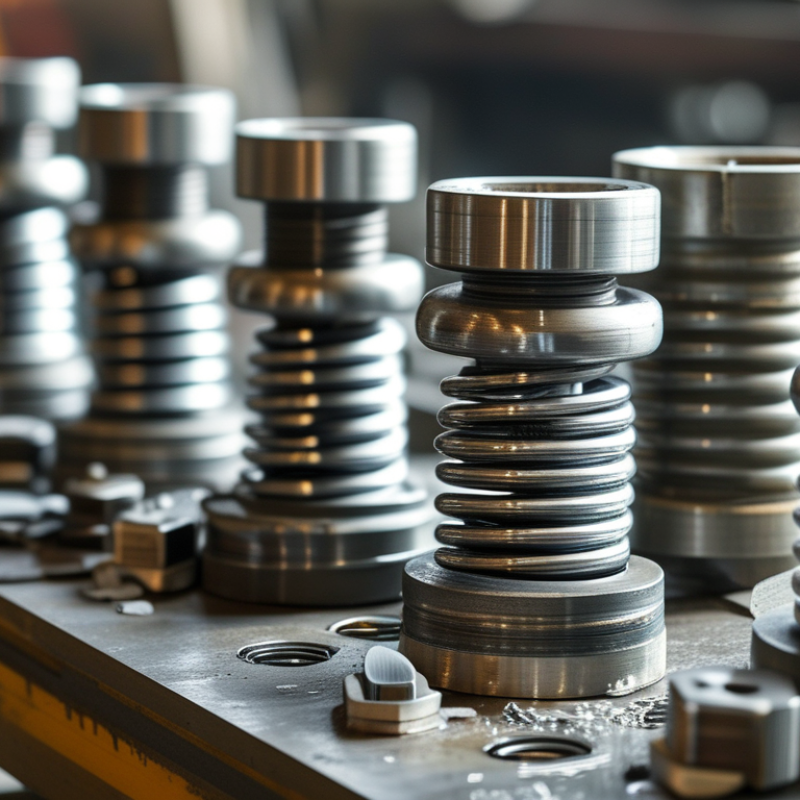
Die springs are essential components in various manufacturing processes, particularly in metal stamping and machining. They provide critical force and tension, ensuring the proper operation of dies and tools. Understanding die springs is vital for engineers and sourcing professionals. These springs come in various sizes and strengths, catering to different applications. Their ability to maintain consistent pressure makes them invaluable in production lines.
When sourcing die springs, consider the material quality and the spring's specifications. High-quality materials increase durability and performance. Look for suppliers that can provide detailed information about their products. This can include tensile strength data and fatigue performance metrics. Tips: Ensure that your die spring selection matches the specific requirements of your machinery. Compatibility can significantly enhance operational efficiency.
It's also important to reflect on sourcing strategies. Relying on a single supplier may lead to vulnerabilities in your supply chain. Diversifying your suppliers can mitigate risks. Building relationships with multiple manufacturers encourages healthy competition, which can lead to better pricing and service. Always evaluate the reliability of your partners to ensure they meet industry standards. Tips: Regularly review supplier performance to maintain quality controls.
The Role of Die Spring in Manufacturing Processes
Die springs play a crucial role in manufacturing processes. These mechanical devices provide consistent force across various applications. Their reliability is particularly important in setups requiring precision, such as in stamping and assembly lines. The way a die spring operates can significantly influence production efficiency. When a die spring fails, it can halt operations and lead to unexpected costs.
In the manufacturing world, choosing the right die spring often requires a balance of strength and flexibility. Springs that are too rigid may not accommodate the required motion. On the other hand, overly flexible springs could compromise the quality of the final product. Various factors, such as load requirements and material properties, must be considered to ensure optimal performance. A mismatch in spring specifications can lead to defects and costly delays.
Understanding the impact of die springs on production lines is essential. Poor spring selection ultimately affects output quality and cycle times. Every manufacturer must actively evaluate their spring choices. Striving for improvements in this aspect can lead to enhanced operational efficiency. It’s an area where even small adjustments can yield significant returns.
Impact of Die Spring on Supply Chain Efficiency
Die springs play a crucial role in various industries, especially in manufacturing. They provide necessary force and functionality during production processes. Precise design and selection of die springs can significantly enhance supply chain efficiency. Efficient springs lead to optimized workflows, minimizing delays in production.
Incorporating high-quality die springs reduces wear and tear in machinery. This durability prevents unexpected downtimes, which can be costly. Regular maintenance and reevaluation of these components can sometimes be overlooked. Companies must analyze their use of die springs throughout the supply chain regularly. Identifying inefficiencies can lead to better performance and reduced operational risks.
Moreover, sourcing die springs globally can introduce both challenges and opportunities. Variability in quality and standards may arise from different suppliers. Understanding regional specifications and expectations is essential. This knowledge can impact sourcing decisions, leading to potential disruptions. A strategic approach to sourcing die springs ensures reliability while maintaining efficiency in the overall supply chain.
What is Die Spring and How Does it Impact Global Sourcing? - Impact of Die Spring on Supply Chain Efficiency
| Die Spring Type | Material | Tolerance Level (mm) | Load Capacity (N) | Impact on Supply Chain Efficiency |
| Compression Spring | Carbon Steel | ±0.05 | 500 | Increases part reliability and reduces failure rates. |
| Torsion Spring | Stainless Steel | ±0.03 | 300 | Enhances packaging efficiency, leading to lower shipping costs. |
| Extension Spring | Alloy Steel | ±0.04 | 400 | Facilitates quicker assembly lines and reduces production delays. |
| Rectangular Spring | Phosphor Bronze | ±0.02 | 200 | Optimizes material usage, reducing overall costs in sourcing. |
Case Studies: Die Spring in Global Sourcing Strategies
Die springs play an important role in global sourcing strategies. They are essential components in various mechanical applications. An efficient die spring ensures consistent production quality and reduces downtime. When sourcing these components, manufacturers must consider the material quality and production processes. This impacts overall reliability and performance.
Case studies highlight the significance of die springs in different industries. In automotive production, a faulty die spring can lead to defects. Companies faced challenges when sourcing springs that didn't meet quality standards. They learned that collaborating with suppliers can mitigate risks. Transparency in sourcing allows for better quality assurance.
Another example comes from the electronics sector. A leading firm struggled with inconsistent supply chains. They revamped their sourcing strategies to focus on local suppliers for die springs. This adaptation resulted in improved lead times and product reliability. However, companies must remain vigilant about supplier performance to prevent future issues. Adjustments in strategy can bring good results, but they require ongoing assessment and reflection.
Impact of Die Spring Material on Global Sourcing Strategies
This bar chart illustrates the global sourcing preference for various die spring materials. As shown, Spring Steel is the most preferred material, followed by Stainless Steel and Copper. Understanding these preferences can significantly impact sourcing strategies across different markets.
Future Trends in Die Spring Technology and Sourcing Practices
The future of die spring technology is closely tied to advancements in material science. Manufacturers are exploring new alloys to enhance durability and strength. Improved manufacturing processes are also reducing waste and cost. These innovations allow for better performance in various applications, including in automotive and aerospace sectors.
Another trend is the shift towards sustainable sourcing practices. Companies are increasingly focused on the environmental impact of their materials. This includes evaluating the lifecycle of die springs and their sourcing. Transparency in the supply chain is becoming crucial. Businesses are more likely to collaborate with suppliers who prioritize ethical and sustainable practices.
However, challenges remain in this evolving landscape. Many companies still grapple with the balance between cost and quality. Sourcing materials sustainably can increase expenses, impacting profit margins. This tension invites reflection on how organizations can innovate while remaining profitable. Ultimately, the future of die spring technology hinges on adaptability and responsible choices.