2026 How to Choose the Best Cnc Controller for Your Needs?
In the rapidly evolving world of CNC machining, selecting the right CNC controller is critical. According to industry reports, the CNC market is expected to reach $100 billion by 2026. A proper CNC controller can enhance precision and efficiency significantly, yet many users struggle to find the most suitable option. Over 60% of CNC operators report difficulties in optimizing their machine performance due to the wrong controller choice.
CNC controllers vary widely in features, capabilities, and user interfaces. Some are designed for specific applications, while others offer versatility across multiple tasks. This complexity makes making the right selection challenging. Industry experts warn that poor choices can lead to reduced productivity and increased operating costs. A CNC controller is more than just a device; it can impact the entire workflow.
Evaluating your specific needs is essential before purchasing a CNC controller. Be aware that not all controllers are user-friendly or compatible with every machine. Research and hands-on testing are crucial. Remember, the right decision can lead to improvements, but the wrong one can hinder progress. The stakes are high; understanding your needs will make all the difference.
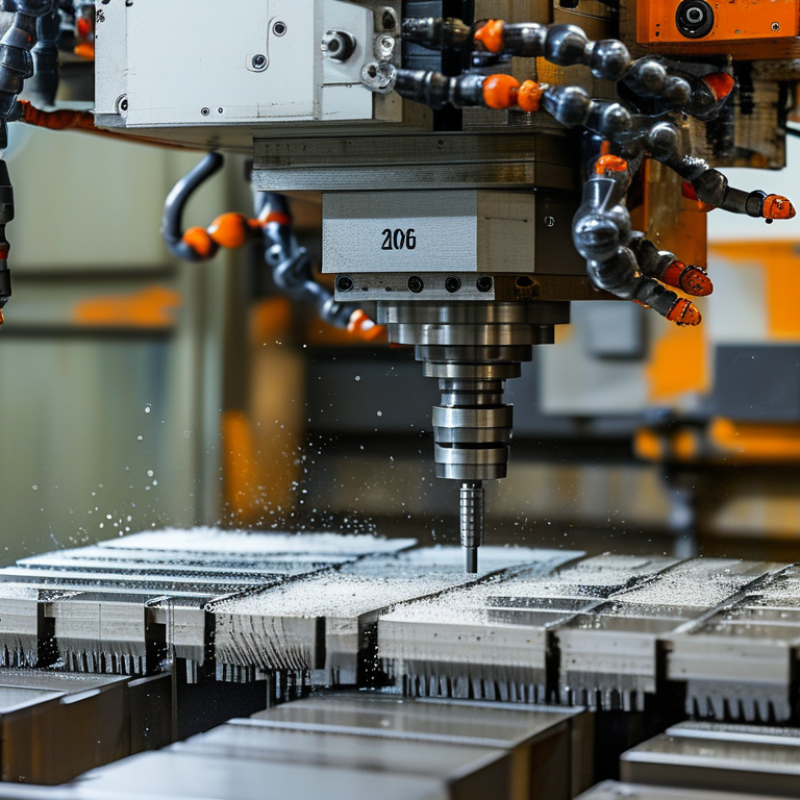
Understanding CNC Controllers: Types and Functions
CNC controllers are essential for precision in manufacturing processes. They come in various types, each with specific functions. Understanding these types helps in choosing the right controller for your needs.
There are three main types of CNC controllers:
open-loop,
closed-loop, and
hybrid systems. Open-loop systems are straightforward, using feed-forward control. However, they lack feedback mechanisms, which can affect
precision. A closed-loop system includes feedback, enhancing
accuracy and
reliability. Hybrid systems combine aspects of both, offering flexibility and improved performance.
Consider your project's requirements. If speed and simplicity are key, an open-loop controller might suffice. However, for high-precision tasks, opt for closed-loop controllers.
Tip: Assess your budget versus performance needs. Some users tend to underestimate the importance of investing in high-quality controllers.
Industry reports indicate that nearly
75% of manufacturers prioritize precision over cost in controller selection. Evaluating the trade-offs between cost and functionality is essential to avoid regrets.
Don’t overlook the software aspect either. The user interface and compatibility can impact your experience. A complex interface can lead to errors, while intuitive software enhances usability.
Tip: Take advantage of free trials when available. Testing different controllers can offer valuable insights into their functions and performance.
Key Features to Consider When Choosing a CNC Controller
When selecting a CNC controller, there are several key features you should consider. One of the most important aspects is compatibility. Ensure the controller fits your specific machining needs. A perfect match can lead to smoother operations and reduce errors. It's also beneficial to verify the software compatibility. Look for user-friendly interfaces that match your existing systems for easier integration.
Another crucial feature is the range of functionalities. Some controllers offer advanced features such as 3D plotting, while others might stick to basic commands. Assess whether you need features like real-time monitoring and automated tool changes. These can enhance productivity but might increase complexity. Make a list of your must-haves versus nice-to-haves.
Reliability is a factor that often gets overlooked. A controller may have impressive features but can fail under heavy use. User reviews and testimonies can provide insights into a product’s reliability. Trust your sources but remain critical. Sometimes, the most recommended products may not suit your specific operations. Don't shy away from seeking expert advice, as it can illuminate options you may not have considered.
2026 CNC Controller Feature Comparison
Assessing Compatibility with Your CNC Machine and Software
When choosing a CNC controller, compatibility is crucial. Your controller must work seamlessly with your CNC machine. It also needs to integrate well with your design software. Any mismatch can lead to frustration and wasted time.
Keep in mind that not all CNC machines are created equal. Pay attention to the communication protocols. Some use USB, while others might rely on Ethernet or parallel ports. It's essential to check the specifications of both your machine and software.
Tips: Always verify the specifications in the user manual. Look for forums or communities that discuss your CNC machine. They often share insights on compatible controllers. This research can save you from costly mistakes.
Consider future upgrades, too. Flexibility can be a significant advantage. If you plan to expand your capabilities, choose a controller that supports additional features. Think about whether you’ll need more axes or advanced controls later on. Choosing wisely now can pay off in the long run.
2026 How to Choose the Best Cnc Controller for Your Needs?
| Controller Type | Compatibility | Software Compatibility | User Interface | Price Range |
| Motion Control | Compatible with most servo motors | Supports G-code and proprietary formats | Touchscreen with intuitive layout | $300 - $600 |
| USB Controller | Works well with various CNC routers | Compatible with Mach3, LinuxCNC | Basic keyboard input and software interface | $50 - $150 |
| Ethernet Controller | Ideal for industrial CNC machines | Supports advanced CAM software | Advanced touchscreen interface | $700 - $1200 |
| Arduino Based | Customizable for hobbyist CNC projects | Supports GRBL and simple G-code | Requires additional software setup | $20 - $80 |
Evaluating Performance and Precision in CNC Controllers
When evaluating CNC controllers, performance and precision are key factors. A controller's ability to execute intricate designs hinges on its processing speed. Slow response times can lead to errors, resulting in wasted material. Therefore, look for controllers that have fast data processing capabilities. Precision is equally important, as even minor inaccuracies can compromise your final product.
Different controllers offer varying degrees of motion control. Some use advanced algorithms for smoother operations, while others may struggle with complex patterns. It's essential to assess the motion control features of each option. Test the controller with specific tasks. This hands-on approach helps identify the strengths and weaknesses of each system.
Many CNC enthusiasts overlook the importance of user interfaces. A complicated interface can slow down productivity, making it frustrating to operate. Seek controllers with intuitive designs that support easy navigation. This focus on usability can greatly enhance your workflow. Finally, pay attention to compatibility with existing machinery. Not all controllers will suit every setup. Consider your specific needs and the capabilities of your equipment before making a decision.
Budget Considerations: Finding the Right CNC Controller for You
When selecting a CNC controller, budget is a significant factor. The price range for CNC controllers can vary widely, from a few hundred to several thousand dollars. Understanding your budget will help narrow your options. Identify how much you're willing to spend before diving into technical specifications. This step can prevent potential buyer's remorse later on.
Many are tempted to choose the cheapest option available. However, lower prices often lead to fewer features. This decision might cost more in the long run. You may face additional expenses for upgrades or replacements sooner than anticipated. It’s crucial to evaluate what features you truly need versus those that are merely nice to have. Align your expectations with your budget for better decision-making.
Don’t overlook the importance of support and documentation. Affordable controllers may lack proper customer service or guidance. This gap can lead to frustration and wasted time. Take a moment to consider how much support you might require. Gathering information from reviews or forums can aid in making an informed choice. A slightly higher investment may provide a more reliable and user-friendly experience.