What is the Importance of Plastic Pipe Fittings for Buyers?
Plastic PiPe Fittings play a crucial role in various plumbing and construction projects. They are essential components that ensure the integrity and functionality of piping systems. The importance of these fittings extends beyond mere assembly; they influence efficiency, safety, and durability. Buyers must understand that selecting the right plastic pipe fittings can significantly impact their project outcomes.
With a variety of materials and designs available, choosing the wrong fitting can lead to leaks and failures. Buyers need to appreciate the quality and performance of these fittings before purchase. Additionally, considering environmental factors is vital. Some plastic materials may not withstand extreme temperatures, leading to unexpected issues.
Notably, the market is filled with options, some of which may not meet industry standards. This adds to the complexity of decision-making. Ultimately, understanding the importance of Plastic Pipe Fittings will help buyers make informed choices. These decisions can safeguard investments and enhance overall system performance. Investing time in learning about reliable fittings will pay off in the long run.
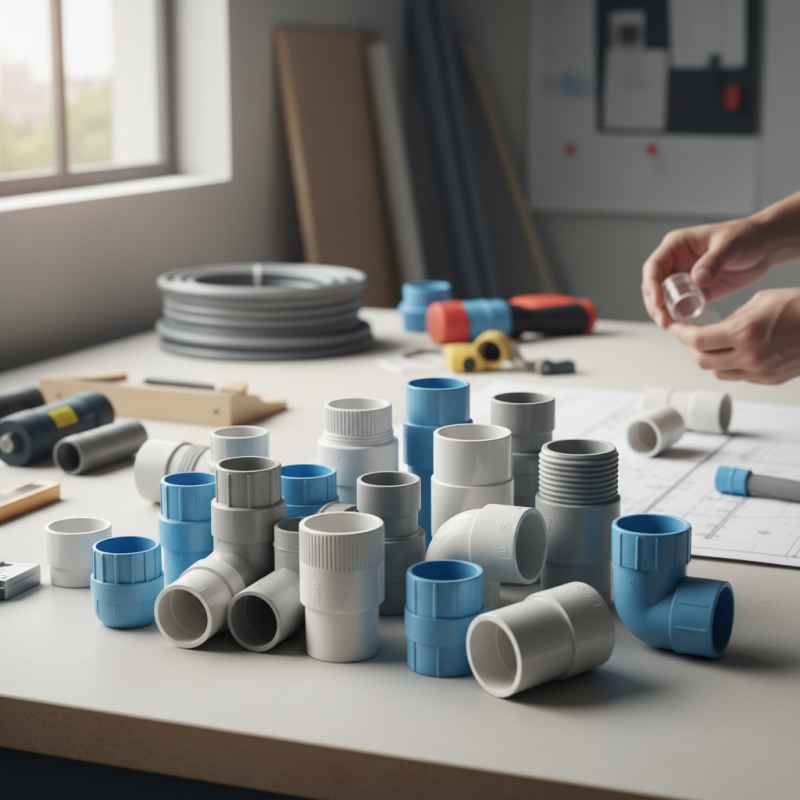
Importance of Plastic Pipe Fittings in Various Industries
Plastic pipe fittings play a crucial role across various industries, due to their lightweight, corrosion resistance, and affordability. According to Market Research Future, the global plastic pipe market is expected to grow by over 5% annually. This trend indicates a significant reliance on plastic fittings in both plumbing and industrial applications.
In the agricultural sector, these fittings facilitate efficient water distribution. Studies show that over 70% of agricultural land uses plastic irrigation systems. In manufacturing, plastic pipes can endure harsh conditions, making them suitable for chemical processes. Their adaptability supports various applications, emphasizing their importance.
Tip: When selecting pipe fittings, consider the material's compatibility with the intended application. This ensures longevity and reduces maintenance costs.
In construction, plastic fittings contribute to energy efficiency. Their insulation properties reduce heat loss. A report from the American Society of Plumbing Engineers highlights that installing plastic systems can lead to a 20% decrease in energy use. It’s critical to weigh benefits against potential drawbacks, such as the environmental impact of plastic waste.
Tip: Always verify the fitting specifications before purchase. This practice helps avoid costly errors in projects and maintains workflow efficiency. Understanding the importance of these fittings can lead to informed decision-making for buyers across diverse industries.
Key Benefits of Using Plastic Pipe Fittings for Buyers
Plastic pipe fittings are essential for various applications in plumbing and construction. Their lightweight nature makes them easier to handle than metal alternatives. According to a recent market analysis, the plastic pipe fittings market is projected to grow at a compound annual growth rate (CAGR) of 4.9% through 2028. Buyers appreciate the durability and corrosion resistance of these fittings, making them a reliable choice for long-term use.
Tips: When selecting plastic pipe fittings, consider factors like temperature resistance and chemical compatibility. This will enhance performance and longevity.
Another benefit is the cost-effectiveness of plastic fittings. They are typically less expensive than metal options. A report by Freedonia Group highlights that the lower production and maintenance costs can save buyers about 30% over time. However, buyers should recognize potential limitations. For instance, plastic fittings may not withstand extreme pressures as well as metal ones.
Tips: Always check specifications against project requirements to ensure suitability. This helps to minimize errors that could lead to additional expenses.
Statistical Overview of Plastic Pipe Market Growth and Trends
The plastic pipe market is experiencing significant growth. Recent trends show an increasing demand for plastic pipe fittings due to their durability, lightweight nature, and corrosion resistance. In regions where water conservation is crucial, plastic pipes are becoming a preferred choice. Buyers are recognizing the long-term cost efficiency of using these fittings.
Tip: Always evaluate the specifications of plastic pipe fittings before purchase. Understand the material’s resistance to chemicals and temperature changes. This knowledge ensures the right choice for various applications.
Market statistics indicate that plastic pipe consumption is rising globally. The construction and agricultural sectors are major drivers of this trend. Buyers are increasingly focused on sustainability, promoting eco-friendly materials. However, there is a need to reflect on the recyclability of these products. Not all plastic fittings are equally reusable.
Tip: Consult experts or reliable resources to understand market trends better. This helps in making informed investments. Consider the lifespan and environmental impact of your choices.
The Importance of Plastic Pipe Fittings for Buyers
This bar chart illustrates the projected growth of the plastic pipe market from 2021 to 2026, emphasizing the significance of plastic pipe fittings in various applications.
Factors Influencing Buyer Choices in Plastic Pipe Fittings
When buying plastic pipe fittings, several factors influence decisions. The material quality stands out as essential. Buyers often seek durability and resistance to corrosion. This can directly affect the longevity of the plumbing systems. It's crucial to assess these qualities before making a purchase.
Additionally, compatibility with existing systems is a significant concern. Buyers need to consider size, type, and design. An incompatible fitting can lead to leaks and system failures. Many overlook the importance of precise measurements and specifications. This oversight can lead to costly repairs and replacements.
Cost is another influential aspect. While lower prices are tempting, buyers should evaluate the overall value. Cheap fittings may not last, leading to higher long-term costs. In seeking affordable options, some people compromise on quality. Understanding the balance between cost and durability is vital for making informed choices.
Environmental Impact and Sustainability Considerations in Plastic Fittings
Plastic pipe fittings play a crucial role in various applications. However, the environmental considerations surrounding their production and disposal are significant. Many buyers overlook the long-term impact of choosing plastic. The production of plastic fittings often requires fossil fuels, contributing to greenhouse gas emissions. This factor can lead to climate change, affecting everyone globally.
Choosing sustainable options is essential. Many manufacturers are now exploring eco-friendly alternatives. Buyers should look for fittings that use recycled materials. This can lessen the reliance on virgin plastics and reduce waste.
Tips: Research companies committed to sustainability. Ask for certifications that prove their environmental efforts. Always consider the product's end-of-life—can it be recycled effectively?
It’s important to recognize the limitations of plastic fittings. While convenient, they can contribute to pollution if not disposed of properly. Many fittings end up in landfills or oceans. Rethinking our choices can lead to more sustainable practices in the long run.
What is the Importance of Plastic Pipe Fittings for Buyers? - Environmental Impact and Sustainability Considerations in Plastic Fittings
| Aspect | Description | Environmental Impact | Sustainability Consideration |
| Material Properties | Plastic pipe fittings are lightweight, durable, and resistant to corrosion. | Lower energy consumption in transport due to lightweight nature. | Extended lifespan reduces the need for replacements, minimizing waste. |
| Installation | Easy and quick installation saves time and labor costs. | Less water and energy are used during the installation process. | Prefabrication of fittings can enhance resource efficiency. |
| Recycling | Many plastic pipe fittings are made from recyclable materials. | Reduces landfill impact and promotes a circular economy. | Encourages innovative recycling technologies and practices. |
| Cost Efficiency | Generally less expensive than metals, ensuring reduced project costs. | Lower production costs may lead to increased production and usage, impacting resource depletion. | Promotes affordability, enabling more sustainable projects. |