Top Industrial Sump Pump Options for Efficient Drainage Solutions?
In today's industrial landscape, the need for reliable drainage solutions is paramount. An effective industrial sump pump can significantly enhance operational efficiency. These pumps play a critical role in managing water and waste removal in various settings.
Selecting the right industrial sump pump involves understanding specific requirements. Factors like pump capacity, size, and power source are vital. Choosing the wrong pump can lead to costly downtime and water damage. Therefore, understanding the unique demands of your environment is crucial.
With numerous options available, it's easy to feel overwhelmed. Not every pump fits every need, creating uncertainty. Identifying the best solutions might require time and consideration. Investing in the right industrial sump pump not only saves money but also protects your assets.
Key Features to Consider in Industrial Sump Pumps
When selecting an industrial sump pump, several key features are vital.
Capacity is critical. A pump must handle specific flow rates to effectively drain water.
Consider the volume of water your facility faces during heavy rain or leaks.
Durability is another essential factor. Pumps face harsh conditions. Look for materials that resist corrosion and wear.
A robust design means a longer lifespan and reduced maintenance costs.
Tips: Regularly check the pump's performance. Clogs can happen.
A simple inspection can prevent major issues down the line.
Efficiency in power usage also matters. Evaluate energy consumption when choosing a pump.
A model with lower energy use can save on operational costs.
Another aspect to think about is the installation process. Some pumps are tricky to set up. Ensuring correct installation prevents future headaches.
Tips: Review user manuals thoroughly. If possible, consult with professionals.
Their insight can help avoid common mistakes.
Types of Industrial Sump Pumps and Their Applications
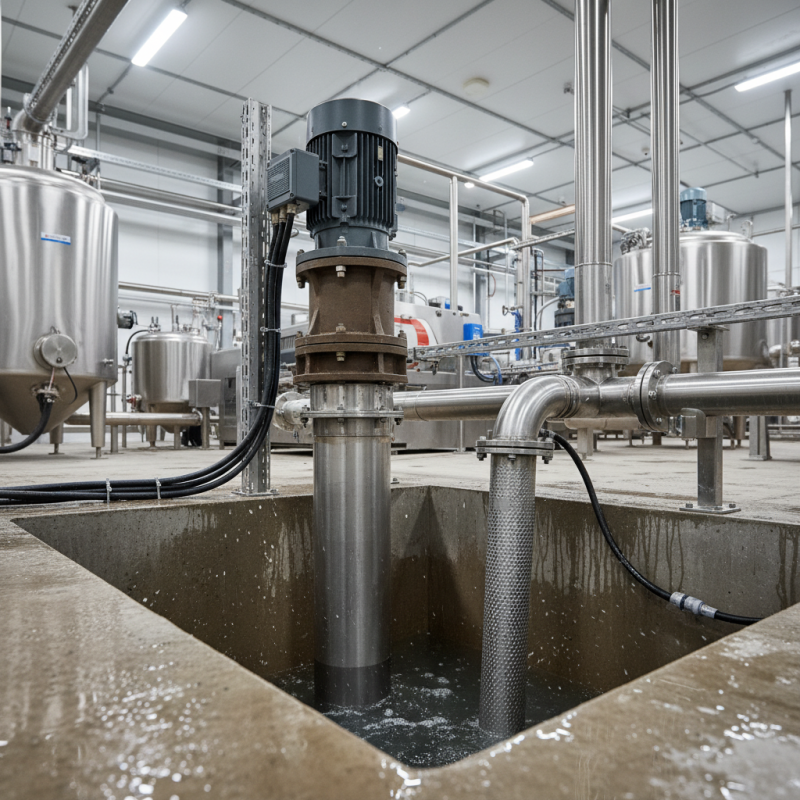
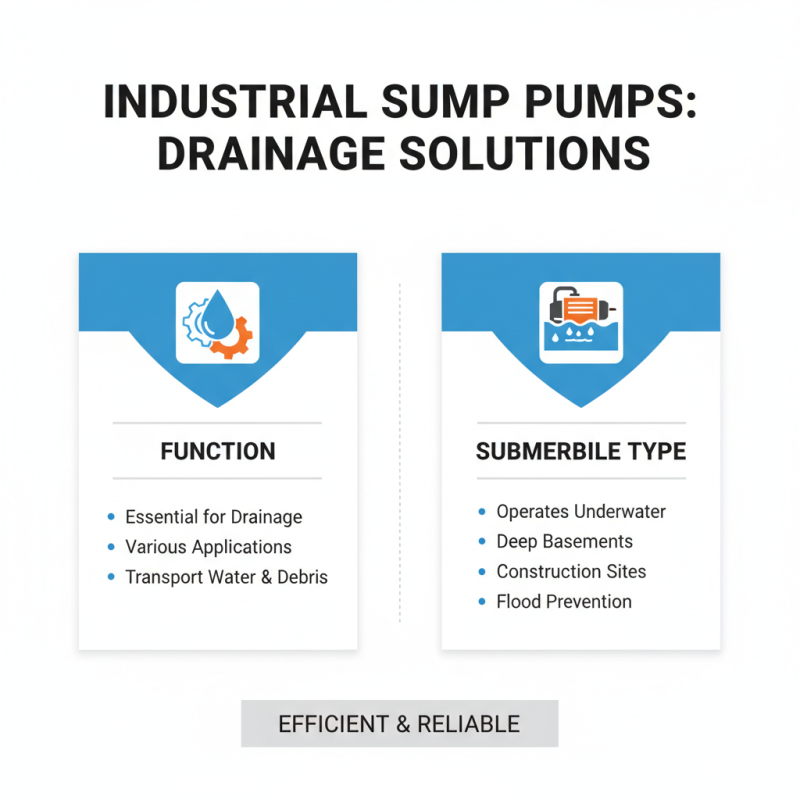
Industrial sump pumps are essential for effective drainage solutions in various applications. Different types serve specific purposes. Submersible pumps operate underwater, making them ideal for deep basements or construction sites with significant water accumulation. They efficiently transport water and debris, ensuring optimal operation during flooding.
Another type, pedestal pumps, consist of an above-water motor. These are suited for less extreme conditions, such as managing water in warehouses or light manufacturing settings. Important to note, proper installation and maintenance significantly impact their efficiency. According to industry reports, poorly maintained pumps can lose up to 40% of their efficiency over time.
Tips: Regularly inspect impellers for wear. Clear debris to enhance performance. Consider a backup system for critical areas. These measures help prevent costly emergency repairs. On the other hand, not investing in the right sump pump can lead to operational failures. Understanding the specific needs of your facility is crucial. Choosing wisely can save time and reduce headaches down the road.
Comparative Analysis of Top Sump Pump Brands
When selecting a sump pump, comparing features is essential. Different brands offer unique specifications. Understanding flow rates, motor types, and durability can help in making informed decisions. High-capacity pumps manage larger volumes effectively. Smaller, portable options are great for home use.
Noise levels also vary significantly. Some models operate quietly, while others can be disruptive. Consider your environment before choosing. Maintenance requirements are another crucial aspect. Certain pumps demand constant attention, while others are more user-friendly.
Performance in different conditions may reflect a pump's longevity. Not all pumps work equally well in extreme temperatures or heavy rain. Some might fail under pressure. This inconsistency can lead to unwanted surprises. Each option has strengths and weaknesses, urging a thoughtful evaluation. Always factor in reliability, efficiency, and design to ensure proper drainage solutions.
Top Industrial Sump Pump Options for Efficient Drainage Solutions
This chart compares various sump pump options based on their flow rate (GPM) and power consumption (W). The data showcases how different sump pumps perform in terms of efficiency and energy use.
Maintenance Tips for Ensuring Optimal Performance
Proper maintenance of an industrial sump pump is crucial for optimal performance.
Regularly check the float switch
to ensure it moves freely. If it gets stuck, the pump won't activate as needed.
Inspect the pump casing for any signs of wear.
A small crack today can lead to significant problems tomorrow. It's best to address these issues promptly.
Cleaning the intake screen is another vital task. A clogged screen can hinder water flow,
causing the pump to work harder. This can shorten its lifespan. You should also assess the discharge line for blockages.
A clear path for water is essential for efficient drainage.
Additionally, listen for unusual noises during operation.
Strange sounds can indicate mechanical issues that require immediate attention.
Regular oil changes help maintain motor functionality. Clean the surrounding area to prevent debris buildup.
Pay attention to the power supply too.
Ensure connections are secure and free from corrosion. These simple steps might seem tedious.
However, neglecting them can lead to costly repairs and downtime.
Stay proactive to keep your drainage system running smoothly.
Cost-Effectiveness of Industrial Sump Pump Solutions
When considering the cost-effectiveness of industrial sump pump solutions, it's essential to analyze various factors. These pumps manage water efficiently, reducing risks of flooding. By investing in reliable sump pumps, companies can save on potential damages. Over time, a quality pump can minimize maintenance costs. This is vital for any industrial operation focused on budget management.
Tips: Regular maintenance helps avoid costly repairs. Check for clogs regularly to ensure optimal performance. It’s a simple task that pays off.
Another aspect is energy efficiency. Many sump pumps are designed to consume less power. This translates to lower energy bills. However, not all pumps are made equal. It's crucial to review specifications carefully. A pump that uses more energy can quickly negate cost savings.
Tips: Compare energy ratings before selecting a pump. Understanding your needs can further guide your purchase. Focus on long-term savings rather than upfront costs.
Top Industrial Sump Pump Options for Efficient Drainage Solutions
| Pump Type |
Max Flow Rate (GPM) |
Max Head (feet) |
Motor Power (HP) |
Cost Range (USD) |
Efficiency Rating |
| Submersible Pump |
50 |
30 |
2 |
800 - 1200 |
85% |
| Pedestal Pump |
75 |
25 |
1.5 |
500 - 900 |
80% |
| Trash Pump |
40 |
20 |
3 |
900 - 1500 |
75% |
| Electric Utility Pump |
30 |
15 |
0.5 |
300 - 600 |
78% |
| Hydraulic Pump |
100 |
40 |
5 |
1000 - 1800 |
90% |