What is a Self Priming Water Pump and How Does It Work?
The self priming water pump is an essential device in numerous industrial and agricultural applications. According to the Global Self Priming Pumps Market Report, the market size was valued at over $1 billion in 2022. It shows a steady growth due to its efficiency and reliability. Experts highlight its ability to remove air and prime itself automatically, which saves time and reduces operational costs.
Jim Richards, a leading specialist in fluid dynamics, emphasizes, "The self priming water pump represents a significant advancement in pump technology." This innovation allows for a seamless operation even in situations where priming is often challenging. However, some users may experience setbacks if proper maintenance is overlooked. Addressing these issues is crucial for optimal functioning.
While the advantages are clear, potential problems exist. Air leaks and blockages can hinder efficiency. Market research indicates that improper installation remains a common challenge. Therefore, understanding the inner workings of a self priming water pump can lead to better decision-making. This knowledge can pave the way for enhanced performance in various applications.
What is a Self Priming Water Pump?
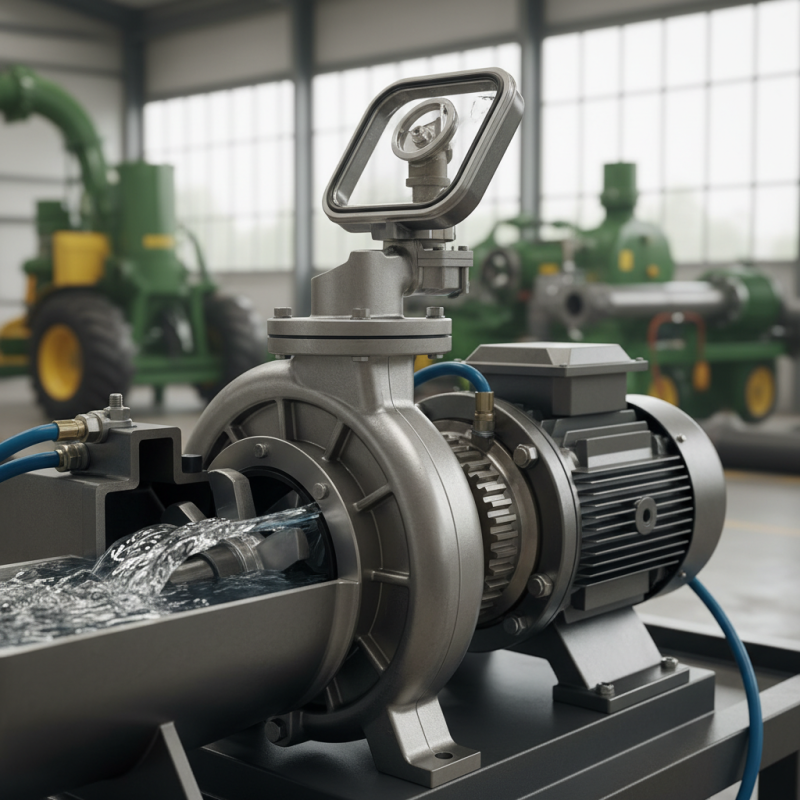
A self-priming water pump is a unique device designed to lift water from a source without needing manual priming. This pump works by creating a vacuum that draws water into the pump chamber. According to industry reports, self-priming pumps can lift water from depths of up to 25 feet. This makes them ideal for applications where water sources are below the pump level.
Many self-priming pumps feature built-in impellers that enhance their efficiency. The impeller helps maintain fluid dynamics, allowing faster priming times. Studies indicate that these pumps can achieve full priming within 30 seconds to several minutes, depending on the model. However, factors like air leaks or low water levels can hinder their performance. It’s important to perform regular maintenance to ensure longevity and efficiency.
In practical situations, self-priming pumps are used in various settings, from irrigation systems to residential water supply. The versatility is notable, but some users report issues with noise and vibration during operation. There can also be challenges in selecting the right size and power for specific tasks. Understanding your water needs can prevent underperformance.
The Basic Mechanism Behind Self Priming Technology
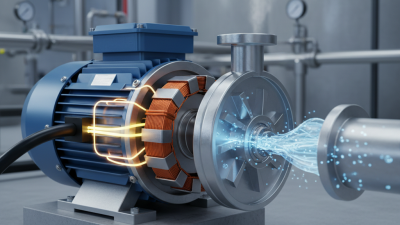
Self-priming water pumps offer efficient solutions for various applications. They can draw water from a source without needing a manual prime. The basic mechanism behind self-priming technology is fascinating. Essentially, these pumps utilize a unique design that allows them to create a vacuum. This vacuum helps in drawing water into the pump from a lower level.
One of the key components is the impeller. The impeller spins rapidly, creating centrifugal force. This force helps push air and water out of the pump. Once a proper seal is formed, water flows in. Studies show that self-priming pumps can maintain suction up to 25 feet. However, they may struggle if less than optimal conditions exist, such as air leaks.
Tips: Always check for air leaks in the system. Even tiny leaks can impact performance. Regular maintenance can help sustain efficiency levels. Additionally, ensure that the pump is installed horizontally for maximum efficiency. Misalignments can lead to unnecessary wear, reducing its lifespan. Not every installation will be perfect, and reflection on these details is crucial for long-term gains.
What is a Self Priming Water Pump and How Does It Work? - The Basic Mechanism Behind Self Priming Technology
| Feature |
Description |
| Self-Priming Mechanism |
Allows the pump to draw water without needing to be manually primed first. |
| Typical Applications |
Used in residential irrigation, dewatering, and pool or hot tub applications. |
| Operating Principle |
Utilizes a unique impeller design to create a vacuum that helps pull water into the pump. |
| Advantages |
Reduces maintenance, easy to install, and enhanced efficiency in water movement. |
| Disadvantages |
May be less effective in very high elevations or with certain liquids. |
Advantages of Self Priming Pumps Over Standard Pumps
Self-priming pumps have gained popularity for their practical advantages over standard pumps. They can evacuate air from their casing, allowing them to start pumping without needing to be fully submerged in liquid. This feature is crucial in applications where the suction line may have air pockets. According to industry reports, self-priming pumps can improve efficiency by up to 30%, especially in agricultural and industrial settings.
One notable benefit of self-priming pumps is their ability to operate in fluctuating conditions. They can handle varying liquid levels without losing prime. This flexibility can save time and reduce downtime. But they still require regular maintenance to prevent wear and tear, which could lead to inefficiencies.
Tip: Always check the manufacturer's guidelines for proper maintenance schedules. Regularly inspecting seals and motors can enhance longevity.
Another advantage is their versatility. Self-priming pumps can handle both clear and dirty water, making them suitable for diverse applications. However, improper usage in heavily contaminated environments can lead to pump failure. Investing in quality filtration can mitigate this risk.
Tip: Consider the environment before choosing your pump. Assess the risks of debris and contaminants to make an informed decision.
Comparison of Self Priming Pumps and Standard Pumps
Common Applications of Self Priming Water Pumps
Self-priming water pumps are widely used in various applications. They are designed to pump water efficiently without needing to be manually primed. This feature makes them quite versatile. You can find them in agricultural irrigation, residential swimming pools, and even construction sites.
In agriculture, these pumps are essential for irrigation. They can draw water from wells, rivers, or reservoirs. This capability ensures that crops receive the necessary water without constant monitoring. In swimming pools, self-priming pumps help circulate water effectively, keeping it clean and clear, even during high usage.
Construction sites also benefit from these pumps, as they manage excess water effectively during heavy rains.
Tip: Always check the pump's specifications for optimal performance based on your application. Maintaining your pump is crucial for longevity. Remember, even shorter pumping times can maximize efficiency. Additionally, improper installation may lead to performance issues. Consider professional help if needed.