What is a Sink Drain Strainer and How Does It Work?
A Sink Drain Strainer is an essential fixture in modern kitchens and bathrooms. It plays a crucial role in preventing debris and food waste from clogging the plumbing system. According to the American Society of Plumbing Engineers (ASPE), around 80% of plumbing disasters are linked to improper drainage systems. A simple yet effective Sink Drain Strainer can significantly reduce these occurrences.
These devices can trap food particles and larger debris, promoting better drainage and minimizing the need for costly plumbing repairs. A study by the National Kitchen and Bath Association (NKBA) highlights that households can save an average of $500 annually by effectively maintaining their drain systems, which often begins with a reliable Sink Drain Strainer.
Despite their benefits, many homeowners overlook this vital tool. Regular maintenance and timely replacement are key factors that often go unaddressed. It's easy to forget the strainer until clogs happen. Implementing a regular cleaning schedule could prevent many issues. Although a Sink Drain Strainer may seem small, it holds significant value in enhancing plumbing efficiency and protecting your home from potential water damage.
What is a Sink Drain Strainer: Definition and Purpose
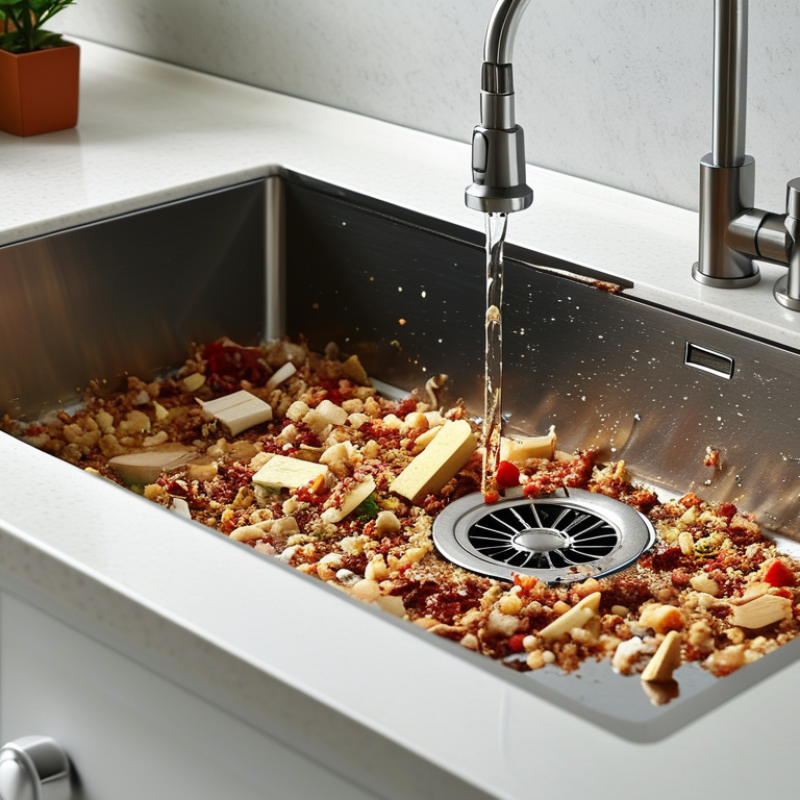
A sink drain strainer is a simple yet effective device. It serves a crucial purpose in kitchen and bathroom environments. Essentially, it prevents food particles, hair, and debris from clogging the drain. By capturing these unwanted items, it helps maintain the plumbing system's efficiency.
When you wash dishes or rinse your hands, small particles can easily slip down the drain. A sink drain strainer catches these particles before they can cause blockages. It typically sits at the top of the drain, often featuring a mesh design. This allows water to flow freely while trapping solid materials. Regular cleaning of the strainer is necessary to ensure it operates effectively.
However, users may overlook maintenance. If neglected, the strainer can become clogged itself, leading to slow drainage. This creates an additional hassle. It's important to check and clean the strainer frequently. A functional strainer not only safeguards your plumbing but also simplifies the cleaning process. Ignoring this small tool can lead to bigger plumbing issues down the road.
The Importance of Sink Drain Strainers in Preventing Clogs
Sink drain strainers play a vital role in maintaining clear plumbing. They are simple devices designed to catch food particles, hair, and other debris. By filtering out these materials, strainers prevent clogs from forming in drainpipes, which can lead to costly repairs. Without them, drains easily get blocked, causing water to pool and creating unpleasant odors.
In everyday usage, strainers can sometimes be overlooked. Many people don't realize how effective they are at keeping drains clean. Over time, debris can build up and lead to significant plumbing issues. Regularly checking and cleaning the strainer can prevent this. Yet, some may find it tedious and neglect this simple task, leading to bigger problems later on. Awareness of their importance is essential for maintaining a healthy sink.
What is a Sink Drain Strainer and How Does It Work? | Feature | Description | Importance | Maintenance |
| Material | Typically made of stainless steel or plastic | Resistant to corrosion and rust | Regular cleaning to prevent buildup |
| Design | Mesh or perforated design | Filters out debris and food particles | Check for clogs every few weeks |
| Function | Catches foreign objects | Prevents drain clogs | Remove and clean regularly |
| Installation | Easy to install and replace | Saves money on plumber fees | Ensure a secure fit to avoid leaks |
| Types | Basket strainers, pop-up strainers, etc. | Various options for different sinks | Choose based on sink type and usage |
Types of Sink Drain Strainers and Their Unique Features
Sink drain strainers are essential for maintaining a clean and functional kitchen or bathroom. They serve to catch debris and prevent clogs in the plumbing system. Strainers come in various types, each designed with unique features to suit different needs.
One common type is the basket strainer. This design is effective in trapping food particles and other waste. It usually features a removable basket for easy cleaning. However, the mesh may tear over time, which can lead to blockages. Another option is the flat strainer, which sits over the drain. It has small holes that allow water to flow while keeping larger items out. Users should regularly check for buildup, as this strainer can also become less effective if neglected.
Magnetic strainers present a modern solution. These strainers utilize magnets to stay in place, making them easy to handle. They prevent items from falling into the drain while ensuring quick removal for cleaning. On the downside, the magnetic mechanism might wear out, requiring replacement. Each type has its advantages and potential drawbacks. Understanding these distinctive features is key to making an informed choice for your sink.
Types of Sink Drain Strainers and Their Unique Features
This chart illustrates the unique features count of various types of sink drain strainers. Each type offers different advantages, making them suitable for specific drainage needs.
How Sink Drain Strainers Work: Mechanics and Functionality
Sink drain strainers are essential components in plumbing systems. They prevent food particles, hair, and debris from clogging drains. A study by the Plumbing Manufacturers International revealed that more than 80% of plumbing issues stem from blockages, reinforcing the importance of strainers in maintaining flow.
Mechanically, sink drain strainers work by incorporating a mesh design. This design allows water to pass through while capturing solid waste. Many strainers also feature a removable basket for easy cleaning. Regular maintenance, like cleaning strainers weekly, can greatly enhance their efficiency. However, some homeowners overlook this, leading to potential plumbing problems.
In terms of functionality, strainers help reduce the frequency of costly plumbing repairs. According to the American Society of Plumbing Engineers, almost $8 billion is spent annually on drain cleaning and maintenance. Failing to use a strainer can increase this burden. Ignoring strainers or using low-quality ones can lead to persistent clogs. Investing in a good strainer might seem trivial, but its impact is significant.
Maintenance Tips for Optimal Performance of Sink Drain Strainers
To maintain the efficiency of sink drain strainers, regular cleaning is essential. Food particles and debris can build up over time, leading to clogs. Remove the strainer and rinse it under warm water. Use a soft brush to clean hard-to-reach areas. This simple process helps ensure that water flows freely through the drain. Neglecting this step can result in unpleasant odors or worse, a full blockage.
Periodic inspections can also enhance the strainer’s performance. Look for signs of wear and tear, such as cracks or rust. A damaged strainer may not effectively capture debris. This oversight can lead to costly plumbing issues down the line. Consider replacing the strainer if you notice significant damage.
Lastly, avoid disposing of grease or large food scraps down the drain. These materials can accumulate quickly, defeating the purpose of a strainers system. Being mindful of what goes into the sink can save you time and hassle in the future. Taking these maintenance steps seriously will help you avoid the frustrations of frequent drain issues.