How to Source Quality Coffee Beans for Your Business?
Sourcing quality Coffee Beans is essential for any successful coffee business. The right beans can elevate your offerings, appealing to discerning customers. Quality impacts flavor, aroma, and overall experience in coffee consumption. Knowing where and how to source these beans sets the foundation for your brand's reputation.
Understanding the coffee bean supply chain is complex. Many factors influence the quality of beans. For example, the region of origin plays a significant role. Varietals and processing methods also determine flavor profiles. Engaging directly with farmers can foster better relationships and quality assurance. However, not all suppliers have consistent quality.
Mistakes in sourcing can lead to subpar products. It's crucial to evaluate potential suppliers carefully. Look for certifications and transparency in sourcing practices. Balancing cost and quality is challenging but vital. Reflecting on sourcing decisions will help improve your business long-term. Quality coffee beans are an investment in your success.
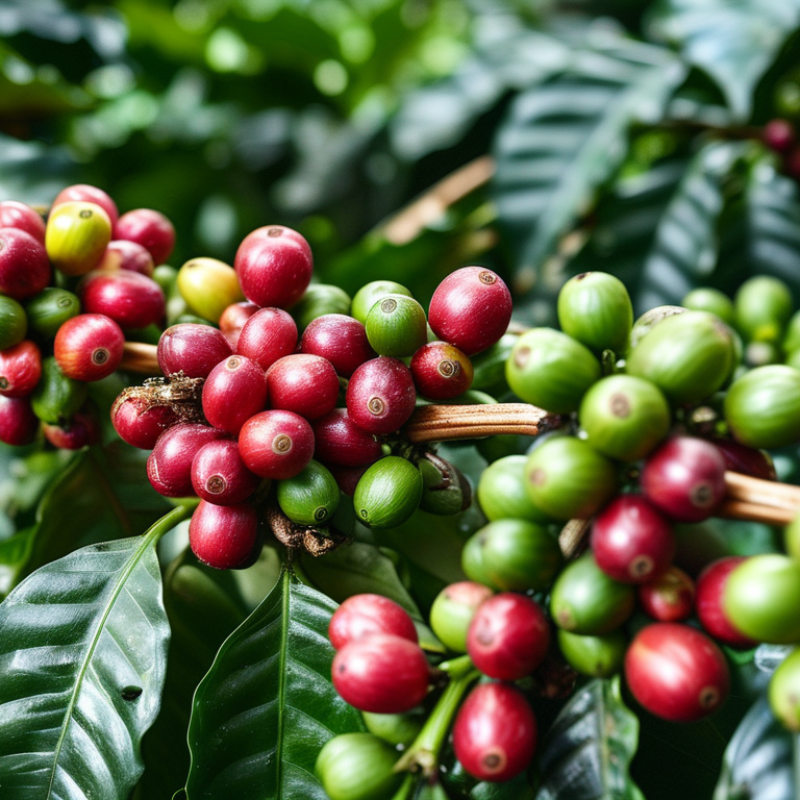
Understanding the Different Types of Coffee Beans Available in the Market
When sourcing quality coffee beans, understanding the types available is crucial. Arabica and Robusta are the most recognized. Arabica beans account for about 60%-70% of global coffee production. They provide a sweeter, more nuanced flavor. In contrast, Robusta is stronger and has a higher caffeine content, appealing to those who prefer a bolder taste.
To ensure quality, look for beans with specific certifications. Specialty coffee beans often receive scores over 80 on a 100-point scale from the Specialty Coffee Association. This designation indicates superior flavor and cultivation practices. Regions such as Brazil and Colombia are known for their high-quality Arabica beans, while Vietnam is famous for Robusta.
Tip: Consider sourcing from sustainable farms. Certifications like Fair Trade can enhance your brand’s reputation.
Factors like harvesting methods impact bean quality. Hand-picking leads to a superior product, while mechanical harvesting may result in lower quality due to mixed ripeness. Understanding these aspects can ensure that your coffee offerings stand out.
Tip: Regularly taste-test samples from various suppliers. This practice can help refine your selections.
Identifying Reliable Suppliers for Quality Coffee Bean Sourcing
Finding reliable suppliers for quality coffee beans requires careful research and assessment. The specialty coffee market, valued at $35 billion in 2021, demands high standards. It's crucial to select suppliers who prioritize transparency and sustainability. Look for companies that promote direct trade practices. Direct trade often guarantees better prices for farmers and fresher beans for consumers.
Another essential factor is certification. Third-party certifications like Fair Trade and Rainforest Alliance provide assurance about ethical sourcing. A report from the Specialty Coffee Association indicates that over 80% of consumers prefer certified coffee. This trend highlights the importance of sourcing from suppliers who adhere to these standards. Reviews and testimonials from current clients can also provide insights into a supplier's reliability and quality.
Assessing a supplier's location can impact bean freshness. Beans from regions with optimal growing conditions often have unique flavor profiles. However, it is vital to recognize that not all suppliers meet high-quality standards consistently. Engaging in conversations and visiting supplier farms can offer deeper insights. This practice allows businesses to support sustainable practices while ensuring the quality of their products.
Quality Coffee Beans Sourcing Analysis
Evaluating Coffee Bean Quality: Key Factors to Consider
Evaluating coffee bean quality involves several key factors. Aroma, flavor, and acidity are crucial. According to the Specialty Coffee Association, 85% of coffee scoring above 80 points is considered specialty coffee. This means it meets high-quality standards. The bean's origin also plays a significant role in its flavor profile. For example, Colombian coffee is known for its smooth and balanced taste, while Ethiopian coffee often has fruity and floral notes.
Another important factor is the processing method. Natural and washed processes create different flavor experiences. Research indicates that washed beans have cleaner tastes, while natural processing enhances sweetness. An expert cupping session can reveal these nuances. Additionally, the green coffee grade impacts the final product. Grades are determined by size and defects. High-grade beans, free from defects and of similar size, have consistent quality.
Sourcing quality coffee requires diligence. Engaging with reliable suppliers is essential. Reports from the International Coffee Organization indicate that transparency in sourcing ensures quality. However, not all suppliers provide the same level of detail. It is crucial to ask questions. Inspect the samples carefully and trust your instincts. Mistakes can be costly, and quality matters in maintaining a customer base.
How to Source Quality Coffee Beans for Your Business? - Evaluating Coffee Bean Quality: Key Factors to Consider
| Quality Factor | Description | Rating Scale (1-10) |
| Origin | The geographical location where the coffee is grown, influencing flavor. | 8 |
| Processing Method | The technique used to process coffee cherries, affecting the final taste. | 9 |
| Bean Size | The physical size of the coffee beans, impacting roasting and flavor extraction. | 7 |
| Defects | Presence of defects such as broken beans or mold, which affect quality. | 6 |
| Flavor Profile | The specific taste attributes of the coffee, including acidity and sweetness. | 9 |
| Freshness | The time elapsed since roasting; fresher beans typically yield better flavor. | 10 |
| Sustainability | Practices ensuring environmental and social responsibility in coffee production. | 8 |
Negotiating Prices and Establishing Long-Term Relationships with Suppliers
Building strong relationships with coffee suppliers is essential for any business. According to a report from the Specialty Coffee Association, the coffee industry is worth over $200 billion globally. Establishing good rapport can lead to better pricing and exclusive access to premium beans. It's crucial to engage suppliers, communicate your needs, and understand their challenges.
Negotiating prices requires a balance of firmness and flexibility. Research the market to determine fair prices. Studies show that around 70% of small businesses do not negotiate effectively. Knowing your boundaries can protect you while still ensuring suppliers feel valued. Creating a win-win atmosphere fosters loyalty. Quality beans often come from farms that prioritize sustainability, which can benefit both parties.
Long-term relationships pay off. A survey by the International Coffee Organization indicated that loyalty can lead to price reductions of up to 20%. Regular communication enables suppliers to adjust to your needs. It’s important to revisit agreements periodically. Reflect on past negotiations to avoid repeating mistakes. Adaptation and understanding the evolving market are key to success.
Sustainable Sourcing Practices for Ethical Coffee Bean Procurement
Sustainable sourcing practices are vital for ethical coffee procurement. According to the Specialty Coffee Association, over 50% of coffee consumers prefer sustainably sourced products. This growing demand pushes businesses to evaluate their supply chains carefully. Prioritizing relationships with farmers who engage in eco-friendly practices helps support local economies and ensures high-quality beans.
Environmentally friendly methods like shade-grown coffee protect biodiversity. The Rainforest Alliance reports that shade-grown coffee farms host 50% more species than sun-grown farms. However, not all methods yield the same quality. Some eco-certifications may focus more on marketing than on actual sustainability. Adopting a transparent sourcing strategy can help consumers distinguish between genuine efforts and greenwashing.
Another challenge involves understanding fair trade dynamics. While fair trade certifications promote better wages for farmers, many smallholders still struggle. The International Coffee Organization highlights that the average price paid to farmers has not risen significantly over the past decade. Engaging in direct trade with farmers may help businesses ensure fair compensation and foster long-term relationships. This reflection can lead to deeper insights about ethical sourcing in the coffee industry.