What is a Submersible Trash Pump and How Does it Work?
A submersible trash pump is a powerful tool for handling water and debris in various environments. It operates underwater, efficiently removing large volumes of liquid mixed with trash. Understanding how it works can help you utilize it effectively.
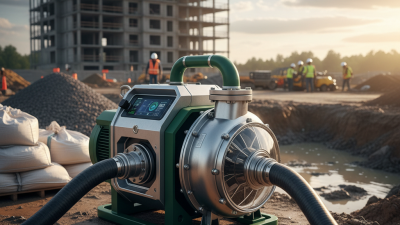
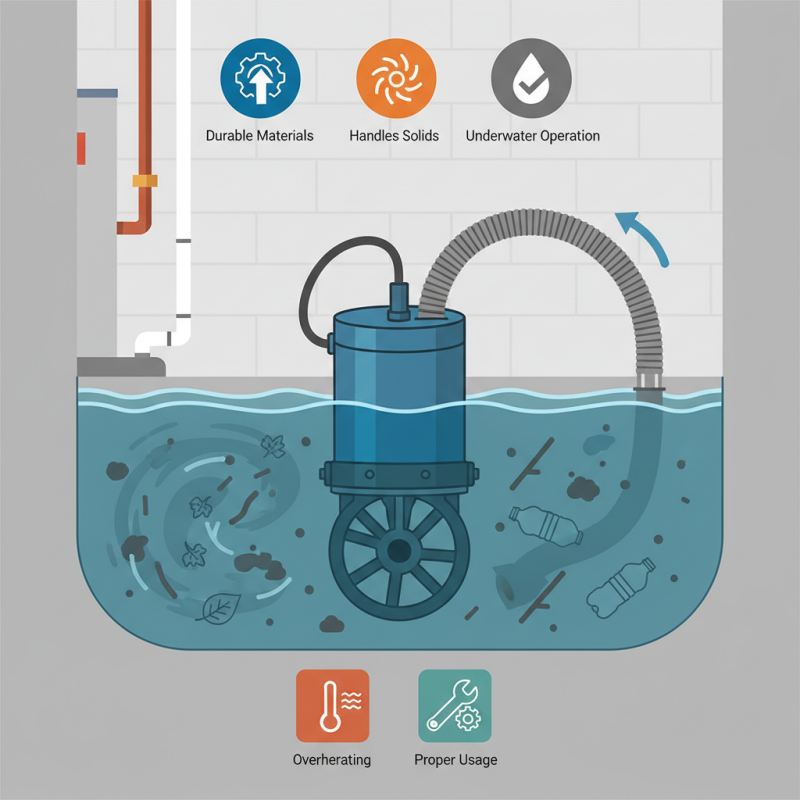
Submersible trash pumps are designed with strong, durable materials. They can withstand harsh conditions, making them suitable for construction sites and flooded basements. These pumps often feature robust impellers that can handle solids like sand, leaves, and other waste. This capability sets them apart from traditional pumps.
While submersible trash pumps are incredibly effective, they are not without challenges. Improper usage can lead to damage or inefficiency. For instance, running the pump without sufficient water can cause overheating. It's essential to follow guidelines for optimal performance. Exploring both the benefits and potential pitfalls of submersible trash pumps is vital for anyone considering their use.
What is a Submersible Trash Pump?
A submersible trash pump is a powerful device used for moving water mixed with solids and debris. These pumps operate underwater, often found in construction sites, flooded basements, or sewage systems. They can handle sediments, mud, and large particles, making them essential in many industries. According to a report by the American Society of Civil Engineers, over 15% of construction-related delays are due to water removal issues, emphasizing the need for reliable pumping solutions.
These pumps use an electric motor to drive an impeller, pushing fluid through a discharge pipe. They are designed to operate in challenging environments. Data from the Pump Manufacturers Association indicate that submersible pumps can efficiently move up to 10,000 gallons per hour in certain conditions. However, users must note that improper use or lack of maintenance can lead to premature wear or even pump failure. Regular inspections and understanding the equipment's capacity are key to maximizing its performance.
Choosing the right submersible trash pump can be daunting. Many factors influence performance, such as horsepower, pump design, and the nature of the debris being handled. A survey conducted by the Water & Wastewater Equipment Manufacturers Association found that 30% of end-users reported issues related to sediment buildup in pumps. Educating yourself on pump specifications and best practices is vital for ensuring efficiency and longevity.
Key Features of Submersible Trash Pumps
Submersible trash pumps are vital for efficiently moving heavy debris and waste materials. These pumps are commonly used in construction sites, wastewater management, and flood control. Key features include rugged construction, powerful motors, and the ability to handle solids up to a specific size. For instance, many models can manage solids up to 2 inches in diameter. This capability makes them ideal for environments where large particles are present.
Reliability is a crucial factor. According to industry reports, submersible trash pumps can operate in tough conditions without frequent breakdowns. Their sealed design allows for underwater use, reducing the risk of electrical hazards. It's also important to consider the flow rate, which can range significantly among models. Some pumps can achieve flow rates exceeding 6,000 gallons per hour, making them suitable for large-scale operations.
However, not all pumps are created equal. Users often find that cheaper models lack durability. Unexpected failures can lead to costly downtime. Thus, it's essential to assess performance data and user reviews. A well-chosen pump can make a significant difference in operational efficiency. Understanding these key features can lead to better-informed purchasing decisions.
What is a Submersible Trash Pump and How Does it Work? - Key Features of Submersible Trash Pumps
| Feature |
Description |
| Design |
Submersible trash pumps are designed to be submerged in water, allowing them to pump out sludge and debris effectively. |
| Power Source |
They are typically powered by electricity, although some models might use gasoline engines. |
| Pump Material |
Most pumps are made from durable materials like cast iron or thermoplastic to withstand harsh environments. |
| Debris Handling |
They can handle solid waste, including leaves, sticks, and other debris, which distinguishes them from standard pumps. |
| Flow Rate |
The flow rate typically ranges from 1000 to 5000 gallons per hour, depending on the model and specifications. |
| Applications |
Common applications include construction sites, flooded basements, and wastewater management. |
| Portability |
Many models are designed to be lightweight and portable, making them easy to transport and operate in various locations. |
How Submersible Trash Pumps Function
Submersible trash pumps are designed to handle tough conditions. They operate underwater, making them unique in their functionality. These pumps can efficiently move water mixed with debris, like mud, leaves, and small solids. Their design allows them to work in harsh environments, which is crucial for many industrial and agricultural applications.
When it comes to how submersible trash pumps function, the mechanics are straightforward. A motor drives an impeller, which is located at the bottom of the pump. This impeller creates flow by drawing water in through an inlet and forcing it out through a discharge pipe. The sealed design prevents water from damaging the motor, ensuring long-lasting performance. These pumps can operate at various depths, reaching areas that other pumps cannot.
While submersible trash pumps show great efficiency, they also have limitations. They cannot handle large solids or thick sludge effectively. Regular maintenance is necessary to prevent clogging. Even with these challenges, the ability of submersible trash pumps to work continuously in difficult conditions highlights their value. Proper usage and care can significantly enhance their overall effectiveness.
Efficiency of Submersible Trash Pumps
Common Applications of Submersible Trash Pumps
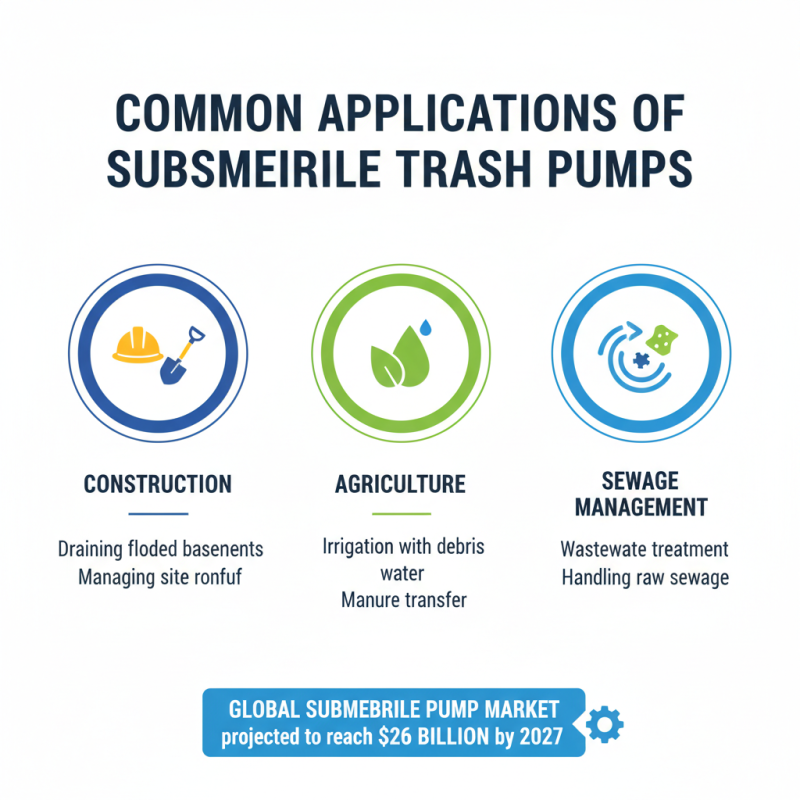
Submersible trash pumps serve as essential tools in various industries, notably in construction, agriculture, and sewage management. These pumps efficiently handle debris-laden water, making them ideal for applications like draining flooded basements or managing runoff from construction sites. According to industry reports, the global submersible pump market is projected to reach a value of $26 billion by 2027, highlighting their growing significance.
One common application is in municipal wastewater management. Submersible trash pumps play a vital role in transporting sewage and wastewater, helping to maintain sanitation standards. They also find extensive use in agricultural settings, where they manage water levels in irrigation systems, especially during heavy rainfall. Industrial operations benefit from these pumps as well, particularly in managing stormwater and process water.
Tip: Always check the pump's specifications before purchasing. Make sure it can handle the specific type of debris you expect to encounter.
Despite their effectiveness, some users overlook the importance of maintenance. Regular inspections can prevent unexpected breakdowns. For example, removing debris from the inlet screen should be routine. Ignoring this can lead to decreased performance.
Tip: Create a simple maintenance schedule. This helps ensure consistent operation and longevity of your pump.
Benefits and Limitations of Using Submersible Trash Pumps
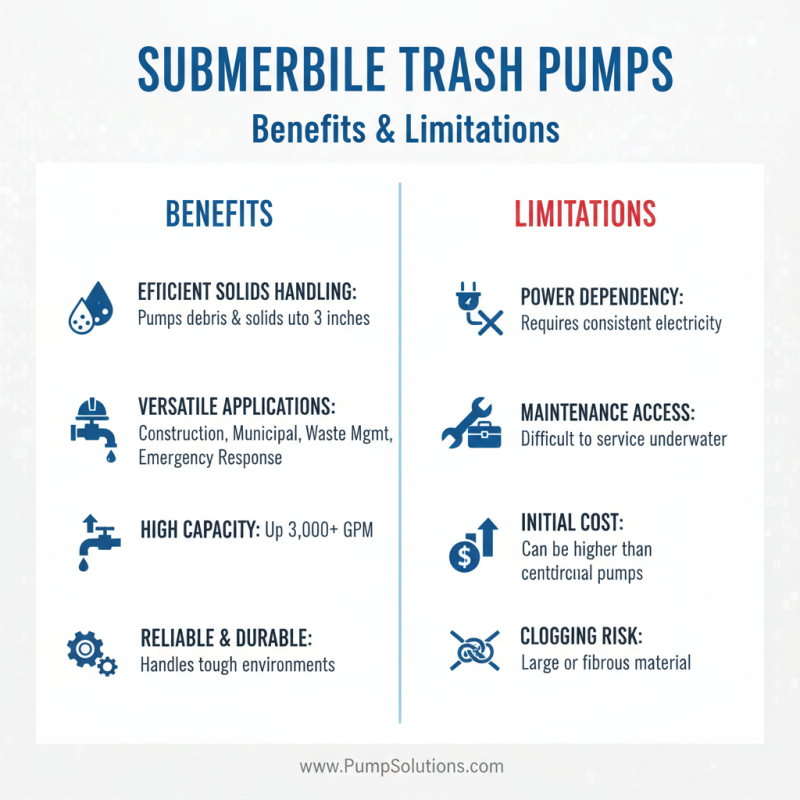
Submersible trash pumps are vital for various applications. They handle solids and debris in water efficiently. Many construction sites and municipal projects rely on these pumps. With capacities often exceeding 3,000 gallons per minute, they can tackle heavy-duty tasks. According to industry reports, submersible pumps can manage solids up to 3 inches in diameter. This versatility makes them popular in waste management and emergency response.
However, using submersible trash pumps has limitations. They are typically more expensive than standard pumps. Maintenance can also be an issue, as these pumps require regular checks. A study indicates that up to 30% of pump failures stem from improper use or maintenance. Users need to be diligent about cleaning and inspecting pumps. Moreover, performance can vary based on power supply and conditions of use. In some cases, pumps may struggle with certain types of materials, which can cause blockages.
The importance of selecting the right pump cannot be overstated. While these pumps excel in many areas, they are not universally applicable. Users must evaluate their specific needs and environmental factors. Those who do not consider these aspects might face operational challenges. Understanding both the benefits and limitations is crucial for making informed decisions.