Essential Tips for Choosing a Gas Water Pump?
When selecting a gas water pump, many factors come into play. Expert Charles Mendez emphasizes, "Choosing the right pump can save time and money." This insight highlights the importance of making informed decisions.
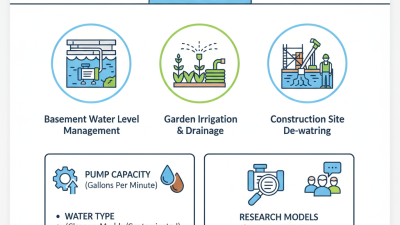
Gas water pumps are commonly used for irrigation and construction. They provide a reliable solution for moving water. However, the market is flooded with options. It can be overwhelming to identify the right one.
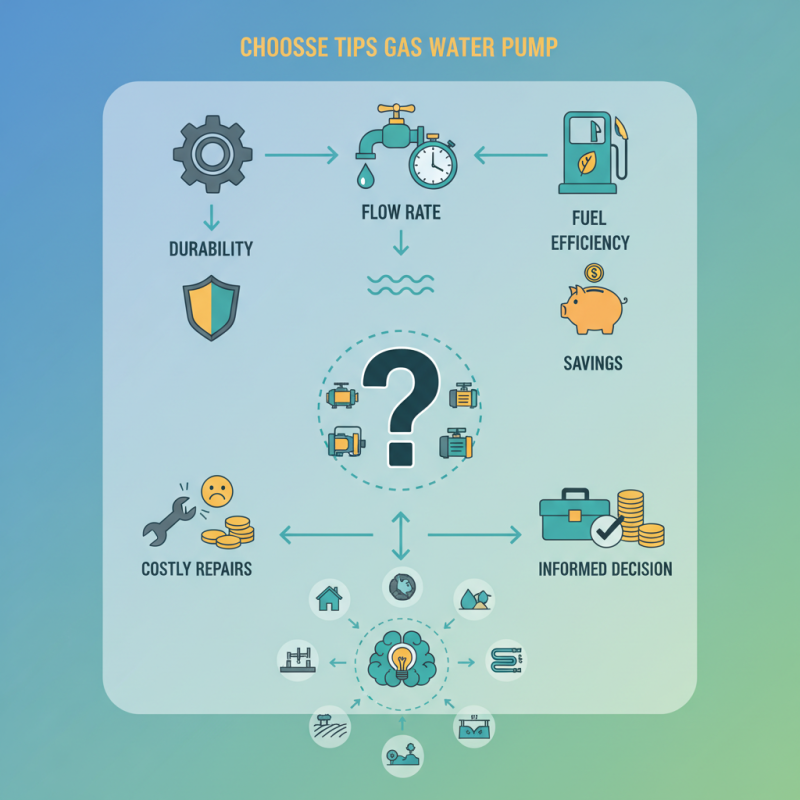
Consider durability, flow rate, and fuel efficiency. Assessing these features will help narrow your choices. Always think about the specific needs of your project. Sometimes, cheaper models can lead to costly repairs. Careful evaluation can prevent such pitfalls.
Factors to Consider When Choosing a Gas Water Pump
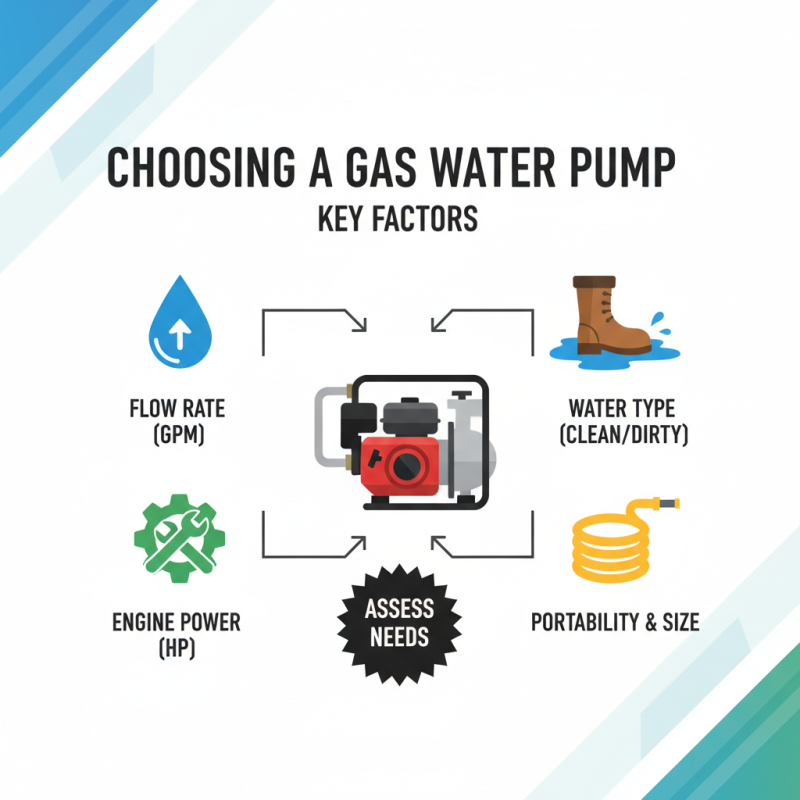
Choosing the right gas water pump can be challenging. Several important factors should be considered. First, think about the pump's flow rate. This determines how much water the pump can move in a given time. A higher flow rate is ideal for large jobs. However, it may not be necessary for smaller tasks. So, assess your specific needs.
Next, consider the pump's horsepower. A stronger engine typically means better performance. But, this can lead to more fuel consumption. Balance the power you need with fuel efficiency. It's a tricky decision. Another factor is the pump's port size. Larger ports can handle more water but may not fit in tight spaces.
Don't forget about portability. Some pumps are lightweight and easy to transport. Others are bulkier and more suited for stationary use. If you plan to move the pump frequently, this is crucial. Finally, think about maintenance. Some models require more upkeep than others. Choose a pump that fits your maintenance preferences. Each aspect requires careful thought. Pay attention to details that match your situation.
Types of Gas Water Pumps and Their Applications
When choosing a gas water pump, it's essential to understand the different types available and their specific applications. Centrifugal pumps are among the most common. They are great for moving large volumes of water quickly. With a high flow rate, they suit tasks like irrigation and draining flooded areas. However, they can struggle with thicker fluids or debris.
Submersible pumps are different. They work underwater, making them perfect for deep wells and ponds. Their design prevents damage from debris. Yet, they can be limited by their short power cords and depth restrictions. Knowing where and how to use each type can make a significant difference in efficiency.
Finally, diaphragm pumps are versatile. They can handle various liquids, including those with particles. This makes them suitable for construction sites or agricultural needs. However, their performance may drop when handling large volumes. Each type has strengths and weaknesses. Reflecting on these aspects can lead to a more informed choice.
Think carefully about your specific needs before selecting a gas water pump.
Key Specifications to Look for in Gas Water Pumps
When choosing a gas water pump, several key specifications matter. The flow rate is vital. It indicates how much water the pump can move in a set time. Look for a model that suits your needs. Pumps often show gallons per minute (GPM). Higher flow rates can boost efficiency but might require more power.
The pressure rating is another important factor. Measured in psi, it determines how effectively the pump can push water through hoses and systems. Make sure the pump meets your requirements. A pump with low pressure may not deliver the water efficiently. In contrast, excessive pressure can lead to damage. Check compatibility with your intended use.
Portability and weight also play roles. If you plan to move the pump frequently, choose a lightweight model. Look for handles or wheels for easier transport. Additionally, noise level can impact your environment. Some pumps operate quietly, while others are loud. Consider your surroundings before making a decision. A smaller, quieter pump might be perfect for residential use but less effective in rugged conditions.
Essential Tips for Choosing a Gas Water Pump
This chart illustrates the key specifications to consider when selecting a gas water pump, highlighting aspects such as flow rate, engine power, and weight. Understanding these factors can help you make an informed decision.
Maintenance Tips for Ensuring Optimal Gas Water Pump Performance
Proper maintenance is crucial for ensuring optimal performance of gas water pumps.
Regularly check the oil levels. Low oil can cause significant damage.
Always use the recommended oil type. Changing the oil periodically can extend the lifespan of the pump.
Remember to clean the air filter too. A clogged filter can lead to overheating.
Inspect the fuel system often. Dirty fuel can clog injectors or fuel lines.
Regularly replacing fuel filters is beneficial. It's also wise to test the spark plug condition.
A worn spark plug can lead to starting issues. Replace it if necessary. Additionally, keep the pump clean from dirt and debris.
This simple step can prevent many operational issues.
Listening to your pump is important. Any odd noises should raise a red flag.
Vibration can indicate a misalignment or internal problem. Address these issues promptly. If you notice any leaks, take immediate action.
Water and fuel leaks can create hazardous situations. Ignoring these can lead to bigger headaches later.
Safety Precautions When Using Gas Water Pumps
When using gas water pumps, safety is paramount. Always check for leaks before starting the pump. Gasoline can be volatile. A small spark can ignite it. Use the pump outdoors to avoid harmful fumes. Ventilation is key.
Wear protective gear, such as gloves and goggles. These can shield against injuries. Placing the pump on stable ground prevents tipping. Ensure the area is clear of debris and obstacles. Fill the tank only when the pump is off. Spills can create hazardous situations.
Always have a fire extinguisher nearby. It’s better to be safe than sorry. Familiarize yourself with the pump's manual. Misunderstanding can lead to accidents. After use, store the pump properly. A well-maintained pump is safer and lasts longer. Reflecting on these details can enhance safety outcomes.