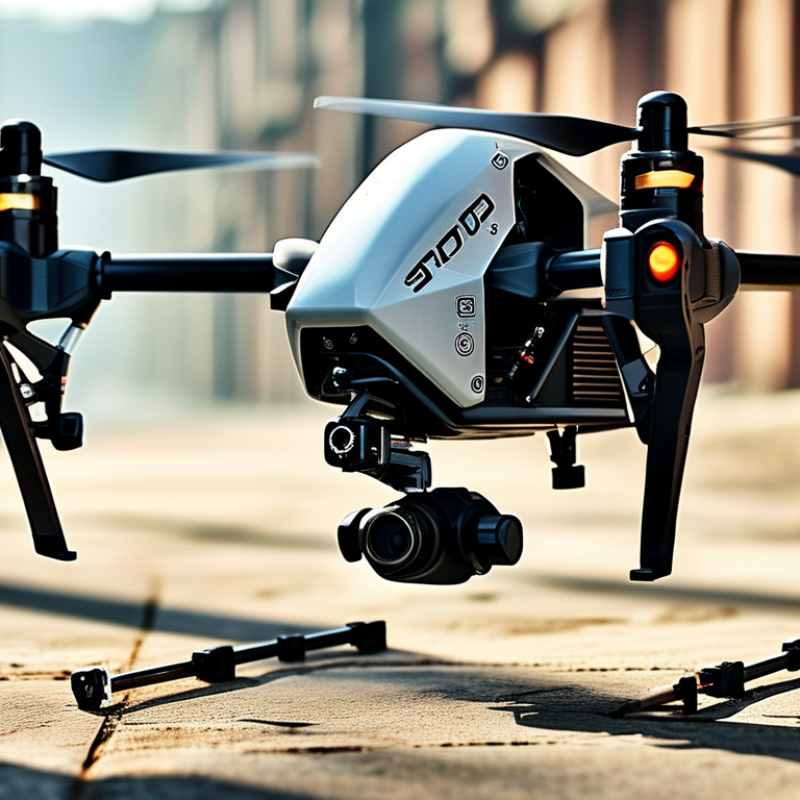
Essential Tips for Choosing Drone Lithium Batteries Safely
Choosing the right Drone Lithium Battery is crucial for safe and efficient drone operation. With advancements in technology, various options are available in the market. However, not all batteries are created equal. Understanding the specific needs of your drone is essential for making an informed choice.
It is important to consider battery capacity, discharge rates, and overall quality. High-quality drone lithium batteries can significantly enhance flight performance. However, lower-quality options might lead to unexpected failures. These failures can be costly or even dangerous.
Moreover, consumers often overlook safety certifications. Batteries lacking proper certifications may pose risks during use. It is wise to seek batteries from reputable manufacturers. Reading user reviews and seeking expert advice can provide valuable insights. Ultimately, investing time in research can make a significant difference in your drone experience.
Understanding Drone Lithium Battery Basics
Lithium batteries power most modern drones, so understanding their basics is crucial for safe use. Lithium-ion and lithium polymer are the most common types. Both have unique properties impacting performance and safety. Reports show that lithium-polymer batteries can deliver higher discharge rates, making them ideal for high-performance drones. Understanding these differences ensures better flight operations.
Battery capacity is another vital aspect. It’s measured in milliamp hours (mAh). A higher mAh rating offers longer flight times. For example, a drone with a 5000mAh battery can typically fly for about 20 to 25 minutes under ideal conditions. However, external factors like weather can reduce this. Monitoring battery health is also essential; degraded batteries can pose safety risks.
It's noteworthy that not all lithium batteries are created equal. Some may have imperfect manufacturing processes, leading to potential hazards. Reports indicate that mishandling or using subpar batteries account for over 30% of drone-related incidents. Users should regularly check battery connections, avoid overcharging, and ensure proper storage. These simple actions can significantly enhance safety.
Identifying Key Safety Features in Lithium Batteries
When selecting lithium batteries for drones, safety should never be compromised. Identifying key safety features is essential. Look for batteries with built-in protection circuits; these help prevent overcharging and overheating. A quality battery will also incorporate thermal management systems to ensure stability during use.
Pay close attention to the manufacturer’s specifications. Reliable products often display their safety certification clearly. This can include tests for short circuit protection and capacity ratings. Always check for visible signs of damage before usage. Damaged batteries pose serious risks.
Consider the environmental conditions in which you will operate. Batteries can perform differently in extreme temperatures. Battery technology may have improved, but risks still exist. Regularly inspect batteries for swelling or leaks. Investing in a high-quality battery can save you from potential failures and enhance safety. Always prioritize long-term reliability when making your choice.
Evaluating Battery Performance and Compatibility
When selecting lithium batteries for drones, evaluating battery performance is crucial. Battery capacity is often measured in milliamp hours (mAh). A higher mAh rating generally equates to longer flight times. According to industry data, drones equipped with batteries in the range of 3000-5000 mAh can achieve flight durations of 25-30 minutes under optimal conditions. However, environmental factors can greatly affect actual performance.
Compatibility is another key factor. Not all batteries fit every drone model. Incorrect sizing can lead to poor performance or even damage. It's essential to check the voltage and connector type before making a purchase. A mismatch can not only impair flight but may also pose safety risks. Reports indicate that improper battery selection has caused over 20% of drone operational failures.
Ultimately, finding the right balance between capacity and compatibility requires careful thought. Users must analyze their flying needs. For casual flights, a lower-capacity battery might suffice. More demanding users may require advanced batteries with additional features, such as balancing technology. Always investigate user reviews and technical specifications from reliable sources before finalizing your decision. Each drone and battery scenario presents unique challenges that warrant reflection and consideration.
Recognizing Red Flags in Battery Quality and Specifications
When choosing lithium batteries for your drone, it’s crucial to spot red flags that indicate poor quality. Examine the specifications carefully. Look for discrepancies in the voltage and capacity. If the numbers seem too good to be true, they probably are. These inconsistencies often signal inferior manufacturing practices.
One tip for identifying quality batteries is to check the construction. High-quality lithium batteries feature robust casings. They should feel solid and not flimsy. Watch out for signs of wear or damage. Any dents can be a significant warning sign. Don’t overlook the labels, either. Clear, detailed information reflects a reliable product.
Further, pay attention to warranties and customer service. Reliable manufacturers provide solid guarantees. They allow for returns or exchanges if issues arise. This approach demonstrates their confidence in product quality. Trustworthy sources will support you in case of problems. Always prioritize safety and make informed choices when selecting your drone batteries.
Battery Capacity Comparison for Drones
This chart illustrates the battery capacity of various drone lithium batteries in milliamp hours (mAh). Higher capacity indicates longer flight duration, which is a crucial aspect of choosing a high-quality drone battery.
Best Practices for Battery Storage and Maintenance
When it comes to drone lithium batteries, proper storage and maintenance are crucial. Research by the National Fire Protection Association indicates that improper battery storage leads to a significant percentage of battery-related incidents. Keeping batteries in a cool, dry place is vital. Excessive heat can cause thermal runaway, which leads to battery failure. Ideally, store batteries at temperatures between 20°C and 25°C (68°F to 77°F) for optimal lifespan.
Regular maintenance is equally important. Examine your batteries for any signs of damage or swelling. These could be early indicators of failure. It’s recommended to perform a capacity test every few months. This helps to gauge battery health. A balance charge should be performed if discrepancies exist between cells. Maintaining charge levels is essential. Keeping them at approximately 40%-60% when not in use extends battery life.
Additionally, avoid storing lithium batteries in fully charged or completely depleted states. Both extremes can compromise their longevity. A study from the Battery University emphasizes that consistently following these practices can improve overall performance and safety. Battery management systems can also be helpful, providing real-time data on the health and temperature of your batteries. Make sure your storage space is well-ventilated to further mitigate risks.
Essential Tips for Choosing Drone Lithium Batteries Safely - Best Practices for Battery Storage and Maintenance
| Aspect | Recommendation | Best Practices |
| Battery Type | Lithium Polymer (LiPo) | Ensure compatibility with drone specifications. |
| Storage Temperature | 40°F to 80°F (4°C to 27°C) | Avoid extremes to enhance lifespan. |
| Charge Cycle | Use a dedicated LiPo charger | Always monitor during charging. |
| Discharge Level | Do not exceed 3.7V per cell | Use a voltage checker to prevent over-discharge. |
| Safety Storage | Fireproof bags or containers | Store in a cool, dry place. |
| Regular Inspection | Monitor for damage | Check for puffing or swelling. |