Top 10 Tips for Choosing the Right Submersible Pumps?
When selecting the right submersible pumps, several factors come into play. As the market for submersible pumps is expected to grow significantly, making informed choices is crucial. According to a recent report by Global Market Insights, the submersible pump market is projected to reach USD 22 billion by 2026, driven by rising demand in various industries.
Expert Amy Johnson, a leading authority in pump technology, emphasizes, “Choosing the right submersible pump can significantly impact efficiency and longevity.” This statement underscores the importance of understanding specific application requirements. Selecting a pump that is ill-suited for its purpose can lead to costly downtime and maintenance issues. For instance, a pump designed for clean water tasks may struggle in wastewater applications, demonstrating the need for careful consideration.
Also, potential buyers must navigate variables like size, capacity, and material. Functionality extends beyond mere specifications. A submersible pump that works well in one scenario may fall short in another. Balancing technical specs with operational needs is essential for making a wise investment. Therefore, understanding your unique requirements is paramount to ensure operational efficiency and reliability in submersible pumps.
Understanding the Different Types of Submersible Pumps Available
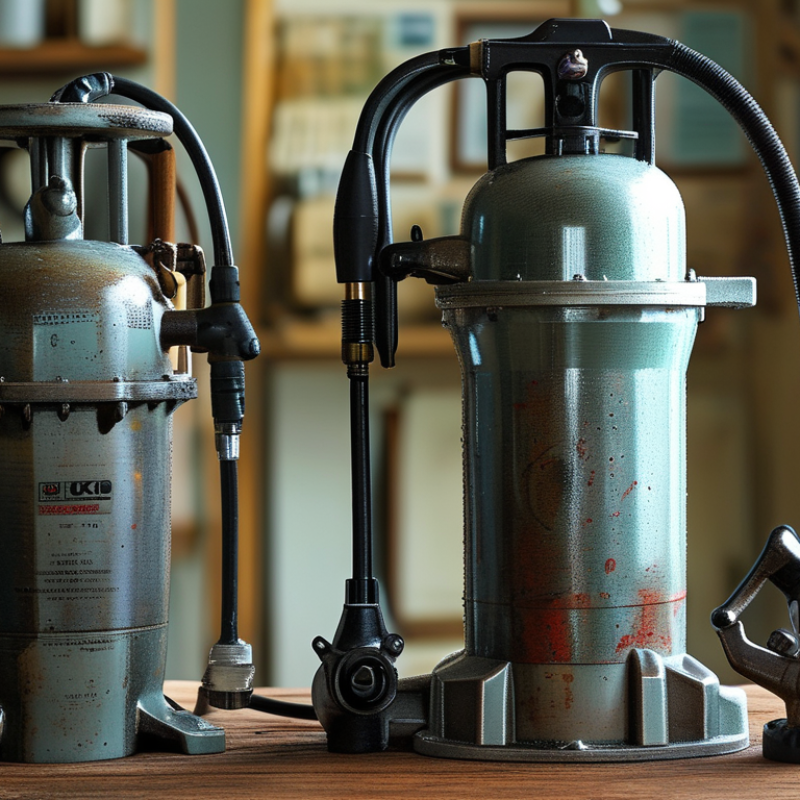
When selecting the right submersible pump, understanding the different types available is crucial. Submersible pumps can generally be categorized into two main types: dirty water pumps and clear water pumps. Dirty water pumps handle water laden with solids, making them ideal for drainage applications. In contrast, clear water pumps are designed for cleaner fluids and are commonly used in wells and irrigation systems.
Tip: Assess your requirements before making a choice. For instance, if pumping mud or sand, a dirty water pump is essential. According to industry reports, nearly 63% of users incorrectly select pumps for their specific conditions, leading to inefficiencies and higher operational costs. This misalignment can lead to equipment failure or unexpected repairs.
Another key aspect to consider is the motor size and power. A more powerful motor can handle larger volumes or heavier liquids. However, an oversized motor can lead to higher energy costs. Balancing this is vital for long-term efficiency. Experts suggest evaluating your environment and pump lifespan for optimal output.
Tip: Look into maintenance needs. Some pumps require regular part replacements which can add to costs. Awareness of these factors minimizes surprises over time. Collect data from your usage and adjust your choice based on observed performance metrics.
Comparison of Different Types of Submersible Pumps
Assessing the Required Flow Rate and Head Height for Your Application
When selecting submersible pumps, one critical factor is the required flow rate and head height. Understanding these parameters ensures that the pump meets your specific application needs. Flow rate refers to how much water a pump can move over time. Head height indicates how high the pump can lift the water. Accurate assessment is essential for optimal performance.
To determine the correct flow rate, consider your requirements. For instance, a garden fountain demands a different flow than a large irrigation system. Incorrect flow rate choices can lead to inadequate water supply or energy inefficiency. Regularly evaluating these needs helps in making informed decisions.
Tip: Calculate your system's total dynamic head (TDH). This includes factors like pipe length and friction loss. It’s a common mistake to overlook these aspects, leading to insufficient pump capacity. Additionally, consult flow rate charts from pump manufacturers to find the best match. An optimized selection not only enhances efficiency but also prolongs the pump's lifespan.
Assessing your needs accurately is a continuous process. Don't rush this step. Revisit your requirements as projects evolve. Sometimes, what was sufficient before may not hold later. This reflective practice guarantees reliable operation and minimizes costly errors.
Evaluating Material Compatibility: Choosing Pumps for Various Fluids
When selecting submersible pumps, evaluating material compatibility is crucial.
Different fluids can interact differently with pump materials. For example, water is less corrosive than chemicals.
Choosing the wrong material can lead to costly damage or failures.
Consider the fluid characteristics. Is it abrasive, corrosive, or viscous? Abrasive fluids may wear down certain materials quickly.
Corrosive fluids can degrade pumps made from standard metals. A pump designed from high-grade stainless steel might perform better in those situations.
Always consult technical data sheets. They provide insights into which materials withstand specific fluids.
However, be cautious; these sheets often lack real-world testing details.
Employing a process of trial and error might be necessary in unique applications.
Remember, not every pump performs as expected under all conditions. A careful approach can prevent future headaches.
Considering Energy Efficiency and Motor Power Options for Your Pump
Choosing the right submersible pump requires careful consideration, especially regarding energy efficiency and motor power options. Energy-efficient pumps can lead to significant savings on electricity bills. According to the U.S. Department of Energy, using energy-efficient motors can reduce energy consumption by up to 30%. This factor is crucial for anyone using pumps for extended periods.
When evaluating motor power, think about your specific needs. The right motor size impacts performance. A pump that is too powerful may waste energy. Conversely, an underpowered pump might not handle the required workload, leading to potential pump failure. Manufacturers often provide power ratings, but relying solely on these can be misleading. Always consider the application environment.
Tip: Don’t overlook variable frequency drives (VFDs). These devices adapt motor speed based on demand, enhancing efficiency. If your application varies in flow needs, a VFD can optimize performance. Additionally, comparing total operational costs, not just initial purchase price, ensures a more informed decision. Reflect on the long-term impact of your choice. Energy efficiency and optimal power settings determine overall satisfaction with your pump.
Reviewing Installation and Maintenance Requirements for Submersible Pumps
Choosing the right submersible pump involves careful consideration of installation and maintenance. Proper installation is crucial for optimal pump performance. Make sure to select a location that is free from debris and can support the pump's weight. This ensures longevity and efficiency. Additionally, verify that the electrical connections comply with local regulations. Incorrect wiring can lead to malfunctions or safety hazards.
Maintenance should not be overlooked. Schedule regular inspections to check for wear and tear. Addressing small issues promptly can prevent costly repairs later. Remember to clean the pump’s filter regularly to avoid blockages. It's best to document these maintenance activities for future reference.
Here are some tips to aid your choice. Assess the pump's head capacity and flow rate. This information is vital to ensure the pump meets your specific needs. Consider the pump's material and design to match your environment. Finally, familiarize yourself with the warranty and support offered. Good after-sales service can save you headaches.