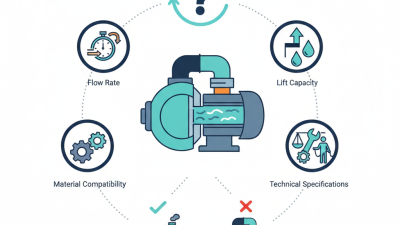
China Top 10 Electric Water Pump Manufacturers?

China has become a major source of electric water pump technology, serving agriculture, construction, manufacturing, and residential water systems. Its manufacturers produce compact booster pumps, submersible models, circulation pumps, and heavy-duty industrial equipment. This guide introduces ten notable Chinese manufacturers for buyers comparing performance, reliability, and long-term value.

The selection considers manufacturing experience, product range, export activity, certifications, testing practices, and after-sales support. Technical details matter. A pump’s flow rate, head height, motor efficiency, seal design, and operating temperature can determine its real performance. Buyers should also examine factory capacity, quality-control records, warranty terms, and spare-part availability. A polished website is not enough.

Not every manufacturer fits every project. That deserves attention. Some companies may excel at high-volume residential pumps but lack experience with demanding industrial systems. Others may offer strong customization but slower delivery times. The companies discussed here represent useful starting points, not an absolute ranking. Independent verification remains essential before placing an order. Request test reports, product samples, installation guidance, and references from comparable projects. On-site conditions can change the correct choice, especially where water contains sediment or operates under unstable voltage. Practical experience often reveals weaknesses that brochures hide. By examining these China-based suppliers carefully, purchasers can identify an electric water pump partner with suitable engineering capabilities, consistent production standards, and dependable communication. Reliability is built over time.
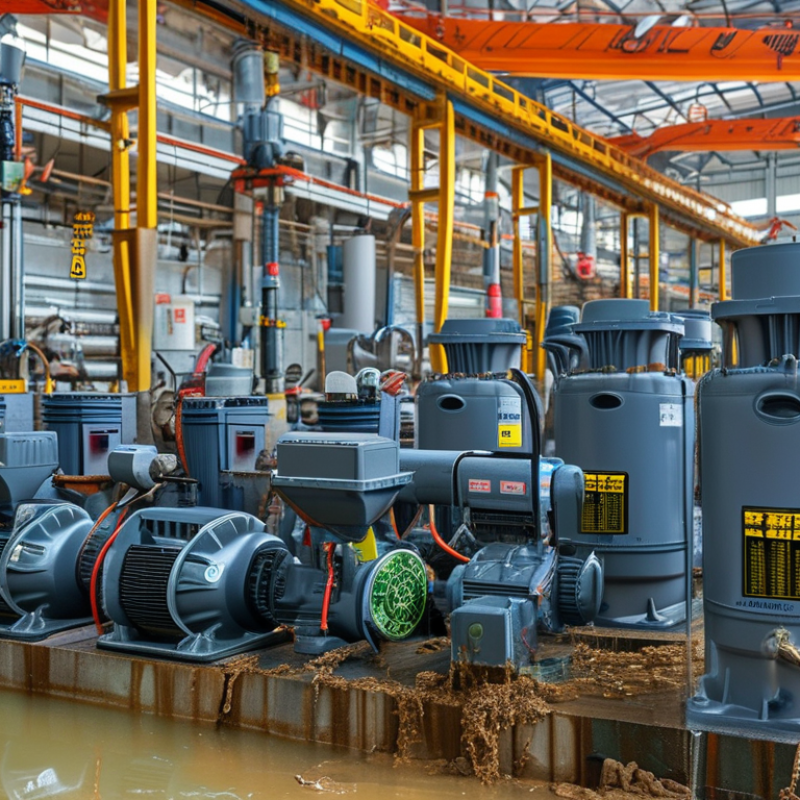
China Top 10 Electric Water Pump Manufacturers?

What Are Electric Water Pumps and How Do They Work?

Electric water pumps move water by converting electrical energy into mechanical motion. A motor turns an impeller inside a sealed housing. The spinning blades create pressure differences, pulling water through the inlet and pushing it toward the outlet. This process supports household supply, drainage, irrigation, heating systems, and industrial circulation.

Pump performance depends on flow rate, head pressure, pipe size, and water quality. A wider pipe can reduce resistance, while a blocked filter may make the motor work harder. Technicians usually check voltage, impeller condition, seals, and unusual vibration during maintenance. A humming sound with weak flow often suggests trapped air, a clogged inlet, or a damaged impeller. The result is steady flow.

Submersible pumps operate underwater and often handle wells, tanks, or flooded areas. Surface pumps remain outside the water and suit accessible pipelines. Variable-speed controls can adjust output, saving energy when demand changes. However, efficiency figures can be misleading without real installation data. Actual results depend on pipe length, elevation, fittings, and operating habits. Not magic.

A reliable selection starts with measured requirements, not guesswork. The pump should match the water temperature, pressure range, and expected working hours. Dry running can quickly damage internal parts. Proper grounding and professional installation also matter. In practice, even a well-designed system may need adjustment after installation, because site conditions rarely match a brochure perfectly.

Key Factors for Evaluating Chinese Water Pump Manufacturers

Selecting China’s top electric water pump manufacturers requires more than comparing catalog prices. The U.S. Department of Energy reports that pumping systems can consume 25–50% of industrial facility electricity. Efficiency testing therefore deserves serious attention. Ask for measured head, flow, input power, efficiency curves, and test conditions. A supplier that shares only maximum flow is withholding useful context.

Factory capability is another practical filter. Review ISO 9001 procedures, incoming-material records, rotor balancing, insulation tests, and final pressure testing. ISO 9906 provides internationally recognized hydraulic acceptance grades for rotodynamic pumps. Check whether the factory follows it, rather than accepting a general “tested” statement. The International Energy Agency has estimated that electric motor systems use about 53% of global electricity, making motor efficiency and variable-speed control important evaluation points.

Field reliability needs evidence. Request failure data, bearing-life assumptions, spare-part lead times, and references from similar water conditions. Examine a sample pump physically: casting surfaces, cable glands, seal design, and nameplate details often reveal manufacturing discipline. Documentation can still be selective. I would independently verify certificates and compare laboratory curves with site measurements. One uncomfortable issue remains: the cheapest quotation may hide higher energy use, weak after-sales support, or premature seal failure. Evaluation is never perfectly objective.

China’s Top 10 Electric Water Pump Manufacturers

China’s Top 10 Electric Water Pump Manufacturers reflect a broad industrial market, from compact household units to heavy-duty agricultural systems. A reliable comparison should examine motor efficiency, flow rate, head height, materials, noise, and after-sales support. Factory experience matters, especially when pumps operate in dusty workshops, wet basements, or open fields.

Many established Chinese manufacturers use stainless steel, cast iron, or reinforced engineering plastics for different working conditions. Buyers should request performance curves, insulation ratings, test records, and sample units before placing large orders.

A pump rated at 40 meters of head may deliver less under long pipes, elbows, and clogged filters. That detail is often overlooked. Certification documents also need verification, not just attractive catalog images.

Tips: Match the pump to the real water source and pipe layout. Check voltage, frequency, seal quality, and continuous-duty limits. Ask how spare parts are packed and how quickly technical support responds. An honest supplier should explain weaknesses, not promise perfect performance. A ranking can guide research, but it cannot replace testing. Even a well-built pump may fail when installed without a proper filter, dry-run protection, or stable power supply.

Product Categories and Industries Served by Leading Brands

China Top 10 Electric Water Pump Manufacturers

Leading Chinese manufacturers typically offer several electric water pump categories for different operating conditions. Centrifugal pumps support general water transfer, irrigation, and building services. Submersible pumps handle drainage, wells, sewage, and flooded construction areas. Booster pumps maintain pressure in hotels, apartments, and commercial facilities. Self-priming models are useful where air may enter the suction line. Circulation pumps support heating, cooling, and hot-water systems.

Industrial buyers may also find diaphragm, multistage, stainless-steel, and high-temperature pump options. Each category serves a different duty point. Flow rate, head pressure, fluid temperature, voltage, and operating hours require careful checking. A pump that performs well on a farm may fail in a factory cooling loop. Small details matter.

Agriculture often needs corrosion-resistant pumps for irrigation and greenhouse systems. Municipal projects use larger units for water supply and drainage. Construction companies prefer portable pumps with strong frames and simple maintenance access. Food processing, aquaculture, mining support, and fire protection also require specialized configurations. Materials, seals, motor protection, and control panels should match the site conditions.

Technical credibility depends on more than a product catalog. Reliable suppliers provide test data, installation guidance, spare-part support, and clear warranty terms. Independent inspection can verify performance before shipment. Yet product categories can mislead. Similar-looking pumps may have very different efficiency and service lives. I would request a duty-point curve and real application references before choosing.

How to Choose the Right Chinese Electric Water Pump Manufacturer

Choosing the right Chinese electric water pump manufacturer requires more than comparing catalog prices. Start with your operating conditions: flow rate, total head, water temperature, voltage, and daily running hours. A pump that looks powerful may perform poorly against long pipes or high resistance. Ask the manufacturer for a performance curve, efficiency data, and noise measurements under realistic conditions.

Check how the factory controls quality. Request material specifications for the housing, impeller, shaft, seals, and insulation system. Reliable manufacturers should explain their motor protection, leakage testing, vibration testing, and final inspection process. Visit the production site if possible, or arrange a live video audit. Photos are useful, but they can hide details. Certification documents should match the exact model, not a similar product.

Sample testing is essential. Run the pump continuously with your actual water conditions and measure output after several hours. Discuss spare parts, warranty limits, packaging, lead times, and technical support before placing a large order. Clear answers matter. A low minimum order can help, but inconsistent components may create higher costs later. I once focused too heavily on price and underestimated after-sales communication. That mistake was expensive. Keep written records, verify every specification, and leave room for honest revision when field results differ from laboratory data.

China Top 10 Electric Water Pump Manufacturers? - How to Choose the Right Chinese Electric Water Pump Manufacturer
Evaluation Dimension What to Verify Reliable Reference or Benchmark Why It Matters Recommended Evidence
1. Quality Management Whether the factory operates a documented quality-management system covering purchasing, production, inspection, and corrective action. ISO 9001:2015 certification issued by an accredited certification body; verify certificate scope and validity. Reduces process variation and makes supplier performance easier to audit. Current certificate, audit report, quality manual, and corrective-action records.
2. Electrical Safety Compliance Compliance of the complete pump assembly, motor, wiring, insulation, grounding, and protective devices with the destination-market requirements. Applicable IEC or national electrical-safety requirements; CE marking may be relevant for products placed on the European market. Helps control risks related to electric shock, overheating, insulation failure, and unsafe installation. Declaration of conformity, electrical test reports, wiring diagrams, and nameplate photographs.
3. Motor Efficiency Motor efficiency class, rated output, voltage, frequency, duty cycle, and power factor. IEC 60034-30-1 defines international motor-efficiency classes such as IE2, IE3, and IE4. Higher-efficiency motors generally reduce operating energy consumption over the pump’s service life. Motor datasheet, efficiency test report, performance curve, and rated nameplate data.
4. Protection Against Water and Dust Enclosure protection for the motor and electrical components under the intended installation conditions. IEC 60529 IP ratings; IP55 indicates protection against dust ingress that could interfere with operation and against water jets from any direction. Appropriate ingress protection improves reliability in wet, dusty, or outdoor environments. IP test report, enclosure construction details, cable-gland specification, and installation instructions.
5. Hydraulic Performance Flow rate, total head, efficiency, rated speed, impeller diameter, and operating range at the required duty point. Performance should be supported by a test curve generated under a documented test procedure; avoid selecting a pump only by maximum flow or maximum head. Correct hydraulic selection prevents low output, excessive energy use, cavitation, and unstable operation. Certified or witnessed performance curve, test-point records, and duty-point confirmation.
6. Materials and Corrosion Resistance Material grades for the casing, impeller, shaft, fasteners, mechanical seal, and elastomers. Material selection must match the pumped liquid, temperature, pH, chloride level, abrasiveness, and sanitation requirements. Suitable materials reduce corrosion, leakage, contamination, and premature component failure. Bill of materials, material certificates, seal specifications, and chemical-compatibility statement.
7. Factory Testing Capability Availability of routine inspections for dimensions, insulation, leakage, vibration, noise, rotation, and hydraulic output. Routine testing required for every production batch or finished unit, with traceable test records. Factory testing identifies defects before shipment and supports consistent product quality. Inspection plan, calibrated-instrument list, sample test report, and calibration certificates.
8. Product Configuration Flexibility Ability to provide suitable voltage, frequency, phase, connection size, seal material, cable length, control method, and mounting arrangement. Configuration should be confirmed against the purchaser’s technical specification before quotation and production. Reduces field modifications, installation delays, and incompatibility with the existing system. Approved drawings, technical submittal, configuration checklist, and pre-production sample approval.
9. Warranty and After-Sales Support Warranty duration, exclusions, response time, spare-parts availability, troubleshooting process, and service coverage. Written warranty required; terms should define coverage, claim documents, replacement procedure, and shipping responsibility. Clear support arrangements reduce downtime and unexpected lifecycle costs. Signed warranty terms, spare-parts list, service workflow, response-time commitment, and customer references.
10. Supply-Chain and Export Readiness Production capacity, lead-time control, packaging quality, export documentation, traceability, and logistics experience. Supplier should provide a documented production schedule, serial-number traceability, commercial invoice, packing list, and applicable customs documents. Improves delivery reliability and reduces risks during international transportation and customs clearance. Capacity statement, sample export documents, packaging specification, shipment records, and contingency plan.
Selection method: Request the same technical questionnaire, performance curve, test records, compliance documents, warranty terms, and total-cost quotation from each shortlisted Chinese manufacturer. Compare suppliers using identical duty-point, material, certification, delivery, and after-sales requirements rather than comparing price alone.
×

Cart