China Top Motor Pump Manufacturers and Suppliers

China has become a major sourcing base for motor pump equipment, serving agriculture, construction, water treatment, and industrial facilities. Manufacturers and suppliers offer centrifugal pumps, self-priming models, submersible units, and customized systems. However, product quality differs widely between factories. A polished catalog is not enough.

This guide examines China’s top motor pump manufacturers and suppliers through practical purchasing criteria. We consider manufacturing experience, engineering capability, production capacity, material selection, and quality-control procedures. Important details include cast-iron or stainless-steel housings, copper windings, mechanical seals, flow rates, head pressure, and motor efficiency. A reliable supplier should explain these specifications clearly. It should also provide testing records, product drawings, certifications, and traceable inspection information.

Small details matter. Ask how each pump is tested before shipment. Confirm whether spare parts are available in your market. Discuss packaging, warranty terms, installation guidance, and response times for technical support. Factory visits, video inspections, and sample orders can reveal more than promotional language. They do not remove every risk, though. Even experienced buyers can overlook voltage differences, local standards, or unsuitable operating conditions.

The following overview is designed for importers, distributors, contractors, and equipment users seeking dependable Chinese partners. It combines technical considerations with supplier-selection experience. The ranking should not replace independent verification. Performance depends on the application. A pump designed for clean water may struggle with abrasive particles or high-temperature fluids. Choose carefully. Reliability begins with accurate requirements, transparent communication, and evidence that matches the supplier’s claims.

China Top Motor Pump Manufacturers and Suppliers

What Is a Motor Pump and How Does It Work?

A motor pump combines an electric motor with a fluid-moving pump. The motor supplies rotational energy. The pump converts that energy into flow and pressure.

In a centrifugal design, the motor spins an impeller inside a casing. Fluid enters through the suction port, accelerates outward, and leaves through the discharge port.

The process is simple, but sizing requires care. Flow rate, lifting height, pipe length, fluid temperature, and viscosity all affect performance. A pump moving clean water may struggle with thicker liquids. Excessive pipe bends can also reduce useful pressure.

Before installation, technicians should check voltage, rotation direction, inlet conditions, and seal quality. Never run many pump types dry. Internal parts can overheat within minutes.

Listen closely during operation. A steady hum is usually normal. Grinding, harsh vibration, or repeated cycling needs inspection. Field experience shows that poor suction piping causes many avoidable failures.

Air leaks may look like motor faults, which can lead to unnecessary replacement. I have also seen calculations made from ideal conditions, while the real system had a restricted valve and a dirty filter. That gap deserves attention.

Chinese motor pump manufacturers and suppliers commonly produce centrifugal, self-priming, diaphragm, and submersible models for different duties. Choosing the right structure matters more than choosing the highest rated power. Even experienced installers can misjudge this.

Key Types of Motor Pumps Made in China

China Top Motor Pump Manufacturers and Suppliers

Key Types of Motor Pumps Made in China

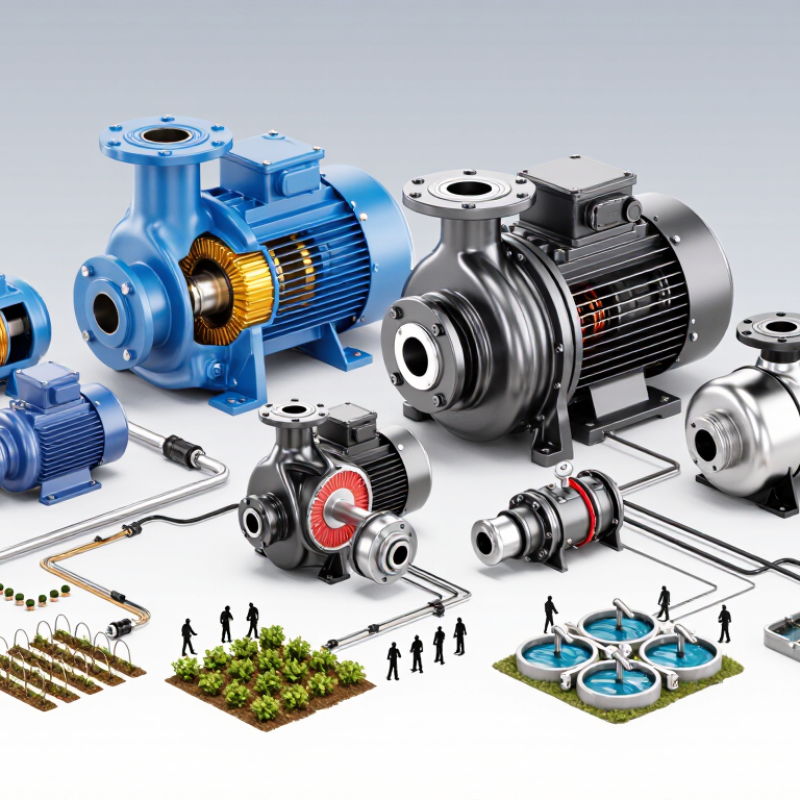
China’s motor-pump industry produces equipment for water supply, agriculture, construction, and process industries. Centrifugal pumps remain common for clean water and general circulation. Multistage pumps create higher pressure for boilers, buildings, and reverse-osmosis systems. Submersible pumps work inside wells, drainage pits, and wastewater tanks. Self-priming models help where air may enter the suction line. For thicker fluids, screw and diaphragm pumps offer steadier transfer. Their performance depends heavily on viscosity, solids, and sealing design. Do not choose by motor power alone.

The U.S. Department of Energy’s Pumping System Assessment Tool guidance notes that pumping systems can consume 25–50% of industrial facility electricity. The IEA’s Energy Efficiency 2023 analysis also identifies motor-driven systems as roughly half of global electricity use.

Selection requires practical verification. Buyers should request flow, head, efficiency, material, and tested duty-point data. Variable-speed control can reduce throttling losses, but only when the operating range is suitable. Hydraulic Institute testing practices provide useful reference points for hydraulic performance and vibration checks. A small error in head calculation can create a large energy penalty. That happens more often than catalogs suggest.

Factory inspection should confirm insulation class, ingress protection, shaft alignment, seal quality, and actual test records.

In my view, many purchasing guides still understate maintenance access. A pump that is efficient but difficult to repair may cost more over time.

China’s suppliers offer many configurations, yet careful technical comparison remains essential.

How to Evaluate Chinese Motor Pump Manufacturers

China Top Motor Pump Manufacturers and Suppliers

How to Evaluate Chinese Motor Pump Manufacturers

Evaluation should begin with measurable performance, not attractive catalog images. The International Energy Agency reports that electric motor systems consume about 53% of global electricity. Pump efficiency therefore affects operating costs for years. Ask suppliers for tested flow, head, power, efficiency, and tolerance data. Request the complete performance curve, not a single claimed rating.

Look for testing aligned with ISO 9906 and motor data aligned with IEC 60034-30-1. A reliable manufacturer should provide calibration records, material certificates, and serial-number traceability. Factory experience matters. During an audit, inspect winding areas, machining equipment, balancing procedures, and final test stations. The U.S. Department of Energy notes that pumping systems can represent a significant share of industrial electricity use, so small efficiency gaps deserve attention.

Check quality systems, but do not treat certificates as proof alone. ISO 9001 can support consistency, yet it cannot replace witnessed testing. Ask how the supplier handles failed units, spare parts, and warranty claims. Response time matters.

Be practical.

Compare three years of operating costs, not only purchase prices. I have seen specifications copied between projects, with unsuitable materials left unnoticed. That is a warning sign. Corrosion resistance, seal selection, voltage stability, and local service capability need written confirmation. Independent inspection before shipment adds cost, but it can reveal vibration, leakage, or incorrect assembly before installation.

China Top Motor Pump Manufacturers and Suppliers: How to Evaluate Chinese Motor Pump Manufacturers

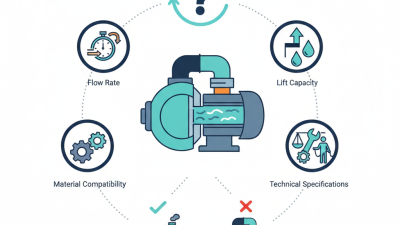
This chart presents a practical procurement framework for evaluating motor pump manufacturers. The percentage weights reflect common buyer priorities: verified quality and compliance, manufacturing capability, technical pump performance, quality assurance, delivery capacity, and after-sales support. The framework is supplier-neutral and does not represent data from any specific company or brand.

Leading Manufacturing Regions and Supplier Capabilities

China’s motor pump industry is concentrated in several manufacturing regions, each with distinct strengths. Zhejiang is known for compact pumps, household water systems, and flexible production. Jiangsu offers strong machining, motor assembly, and industrial equipment capabilities. Guangdong often supports customized designs, export packaging, and rapid component sourcing. Shandong is active in agricultural, drainage, and larger commercial pump applications.

Supplier capability matters more than location alone. Experienced factories can provide casting, winding, machining, assembly, and performance testing under one system. During supplier evaluations, inspect test benches, material records, and sample consistency. Ask for flow rate, head, power consumption, noise, and durability data. A polished catalog proves little. Actual production evidence is more valuable. No region does everything perfectly. That reality deserves attention.

Tips: Request a complete specification sheet before comparing prices. Confirm whether quoted performance uses clean water or another medium. Check motor protection, insulation grade, spare-part availability, and inspection procedures. Factory videos may help, but live audits reveal more. Some suppliers outsource key components without explaining it clearly. This is not always unacceptable, but it should be documented. A lower price can hide weaker testing or thinner materials. Clarify warranty terms, packaging standards, lead times, and corrective-action procedures in writing. Small details often decide long-term reliability.

How to Select a Reliable China Motor Pump Supplier

Selecting a reliable China motor pump supplier requires more than comparing unit prices. The U.S. Department of Energy reports that pumping systems can consume 25–50% of an industrial facility’s electricity. A small efficiency error becomes expensive over years. Ask for a complete performance curve, including flow, head, efficiency, power, and NPSH. Check whether the curve comes from laboratory testing or only software.

A capable supplier should explain motor efficiency, seal materials, bearing life, and protection ratings in plain language. IEA analysis indicates that electric motor systems use about 53% of global electricity, making efficiency a serious purchasing issue. Request test records aligned with ISO 9906, and verify that the factory can repeat the test with your specified liquid and operating point. Photos are useful. Witnessed testing is stronger.

Visit the production site, or use an independent auditor. Review incoming material checks, machining controls, winding records, and final inspection files. Confirm spare-part availability and written response times before signing. A stable supplier should provide traceable serial numbers and clear warranty limits. Cheap offers can hide weak testing or inconsistent components. I have seen buyers focus on stainless-steel grades while ignoring shaft alignment. That mistake is costly. Ask for references from similar duty conditions, not just high-volume sales. You may also request a pilot unit, although this adds time and expense. Reliability is rarely proven by a polished catalog.

China Top Motor Pump Manufacturers and Suppliers - How to Select a Reliable China Motor Pump Supplier

Practical comparison criteria for evaluating motor pump suppliers without relying on company or brand names

Evaluation Dimension Typical Requirement or Reference Range Evidence to Request from the Supplier Why It Matters
Pump Type and Application Centrifugal pumps for clean-water transfer; self-priming pumps for applications requiring air-handling capability; submersible pumps for drainage or fully submerged operation. A written application recommendation based on fluid, temperature, flow, head, installation method, and operating schedule. Using the wrong hydraulic design can cause poor performance, frequent clogging, cavitation, or premature wear.
Flow Rate Common small and medium motor pump configurations cover approximately 1–500 m³/h, depending on pump type and design. Certified performance curves showing flow rate, head, efficiency, and power at the intended operating point. The pump should operate near its best-efficiency point rather than only meeting the maximum advertised flow.
Total Head Typical applications may require approximately 5–150 m of total head; the actual value must include static lift and pipe friction losses. A hydraulic calculation showing static head, friction loss, fittings, and the selected duty point. Selecting by head alone, without considering system resistance, often leads to undersizing or excessive energy consumption.
Motor Power and Efficiency Motor ratings commonly range from below 1 kW to several hundred kW. Efficiency depends on motor size, loading, pump design, and control method. Motor nameplate data, efficiency class, rated current, service factor, duty rating, and test documentation. Correct motor sizing reduces overheating, nuisance trips, operating cost, and early motor failure.
Electrical Compatibility Verify voltage, phase, frequency, starting method, enclosure protection, insulation class, and local electrical requirements before ordering. Electrical drawings, wiring diagrams, nameplate samples, protection details, and compatibility confirmation for the destination market. Incorrect electrical specifications can create safety risks and may invalidate installation approvals or warranties.
Materials and Fluid Compatibility Cast iron is common for general water service; stainless steel is often selected for corrosion resistance, hygiene, or mildly aggressive liquids. Material certificates, wetted-part specifications, seal material, elastomer information, and corrosion-compatibility guidance. Material selection affects service life, leakage prevention, contamination control, and maintenance frequency.
Protection and Operating Environment Outdoor, dusty, humid, or wet installations require suitable enclosure protection; submersible equipment requires a declared immersion rating and cable arrangement. IP rating, ambient-temperature limits, allowable liquid temperature, installation instructions, and overload or dry-run protection options. Environmental protection helps prevent electrical damage, insulation breakdown, corrosion, and unsafe operation.
Cavitation and NPSH The available NPSH must exceed the pump's required NPSH with an appropriate safety margin; the exact margin depends on the system and operating conditions. NPSH-required curves, suction-piping recommendations, and confirmation of the proposed installation arrangement. Insufficient suction conditions may cause vibration, noise, impeller damage, and loss of capacity.
Quality Management A documented quality-management system should control incoming materials, machining, assembly, testing, nonconformities, and traceability. A current ISO 9001 certificate issued by an accredited certification body, plus inspection and process-control records. A certificate alone is not proof of product quality, but controlled processes improve consistency and accountability.
Performance Testing Testing should verify flow, head, power input, current, vibration, leakage, and rotation direction according to the agreed specification. Factory test report linked to the serial number, calibrated instruments, acceptance criteria, and optional witnessed testing. Documented testing confirms that the supplied unit matches the approved technical data.
Compliance Documentation Required documents depend on the destination country, product configuration, electrical system, and intended application. Declaration of conformity where applicable, technical file support, user manual, risk information, and destination-market certificates. Compliance documentation supports customs clearance, installation approval, and legal market access.
Lead Time and Production Capacity Standard products are generally faster to supply than customized pumps, special materials, non-standard motors, or witnessed-test orders. Written production schedule, capacity statement, component availability, order milestones, and late-delivery communication procedure. Transparent scheduling reduces project delays and makes procurement planning more reliable.
Spare Parts and Service Service parts may include mechanical seals, bearings, gaskets, wear rings, impellers, couplings, and motor components, depending on the design. Recommended spare-parts list, part numbers, availability period, troubleshooting guide, and response-time commitment. Accessible parts and technical support reduce downtime over the equipment life cycle.
Warranty Terms Warranty duration and exclusions should be stated clearly and should distinguish manufacturing defects from installation, dry-running, overload, or misuse. Signed warranty document covering scope, claim procedure, replacement responsibilities, freight arrangements, and exclusions. Clear warranty terms help manage risk and avoid disputes after commissioning.
Supplier Verification Evaluate technical capability, factory control, export experience, financial reliability, communication quality, and reference projects. Business registration details, factory audit, sample order, customer references, inspection records, and a complete quotation with exclusions. Independent verification is more reliable than relying only on catalogs, online listings, or claimed production capacity.
Recommended selection method: Define the duty point first, compare suppliers using the same technical specification, verify test documentation, inspect quality controls, and approve a sample or pre-shipment inspection before placing a large order.
×

Cart