Top Submersible Water Pump Options for Your Needs?
Choosing the right submersible water pump can be overwhelming. Many options are available, each with different features. This guide helps you find the best submersible water pump for your needs.
Submersible water pumps are versatile tools. They can be used for various applications, such as draining flooded areas or maintaining ponds. However, not every pump is created equally. Understanding your specific needs is crucial when selecting the right unit.
Consider factors like power, size, and material. Each of these elements influences performance and durability. A more powerful pump may be necessary for larger tasks. Still, it might lead to higher energy costs. Balancing efficiency and requirements often requires reflection and research. Ultimately, finding an ideal submersible water pump is about matching your needs with the right features.
Understanding Submersible Water Pumps: A Comprehensive Overview
Submersible water pumps are essential for draining, irrigation, and pond maintenance. These pumps operate underwater, drawing liquid through an intake and pushing it to the surface. The design is simple, yet effective in various applications. Understanding their operation helps you make an informed decision.
When choosing a submersible pump, consider the power requirements and water depth. For shallow wells, a less powerful pump suffices. For deeper applications, a stronger model is necessary. Also, don’t forget about the pump material. Corrosion-resistant options last longer in tough environments.
Tips: Always check the pump’s flow rate. This rate defines how quickly water moves. Evaluate the head height, which affects how high the water can be pushed.
Carefully assess your specific needs. Sometimes, a high-performing pump might not suit your conditions. Take time to research and consider different factors before making a choice. It’s not just about the brand; it’s about what fits your requirements best.
Key Features to Consider When Choosing a Submersible Water Pump
When selecting a submersible water pump, key features can significantly impact performance. One critical aspect is the pump's material. Common materials include stainless steel, thermoplastic, and cast iron. Each material has its advantages and limitations, affecting durability and resistance to corrosion. Reports estimate that corrosion can reduce pump lifespan by up to 30%.
Another vital feature to consider is the pump's flow rate. This measurement indicates how much water the pump can move per hour. A standard submersible pump typically delivers between 1,500 to 3,000 gallons per hour. Depending on your specific needs, choosing a pump with the right flow rate is crucial. Insufficient flow can lead to extended processing times.
Also, look at the horsepower rating. Most submersible pumps range from 1/4 to 2 HP. Pumping deeper water requires more power, which increases energy consumption. Studies show that up to 40% of energy expenses stem from inefficient pumps. Analyzing these features carefully can lead to better long-term satisfaction and cost savings.
Top Brands and Models of Submersible Water Pumps on the Market
When selecting submersible water pumps, it's crucial to consider the various brands and models available. The market has numerous options that cater to different needs. A recent industry report indicates that the global submersible pump market is projected to grow at a CAGR of 5.8% from 2021 to 2028. This growth highlights the increasing demand and innovation in the sector.
Many users find it challenging to identify the best models for their specific applications. Some submersible pumps are designed for clear water, while others handle heavy-duty tasks like sewage management. Surprisingly, some affordable models still outperform high-end counterparts in certain scenarios. It's important to evaluate the pump's horsepower, discharge size, and maximum head pressure before making a decision.
Quality can vary significantly among manufacturers. Therefore, user reviews and ratings should be part of the research process. Data shows that nearly 30% of users experience issues with durability and efficiency after a few months of use. Selecting a pump that meets your unique requirements can be tricky, as not all brands provide detailed information about their performance metrics. Careful consideration and research can prevent dissatisfaction down the line.
Top Submersible Water Pump Options
This chart displays the flow rates (measured in gallons per minute) and power consumption (in watts) of popular submersible water pumps. It serves to help you understand the efficiency and capabilities of various models on the market.
Applications and Use Cases for Submersible Water Pumps
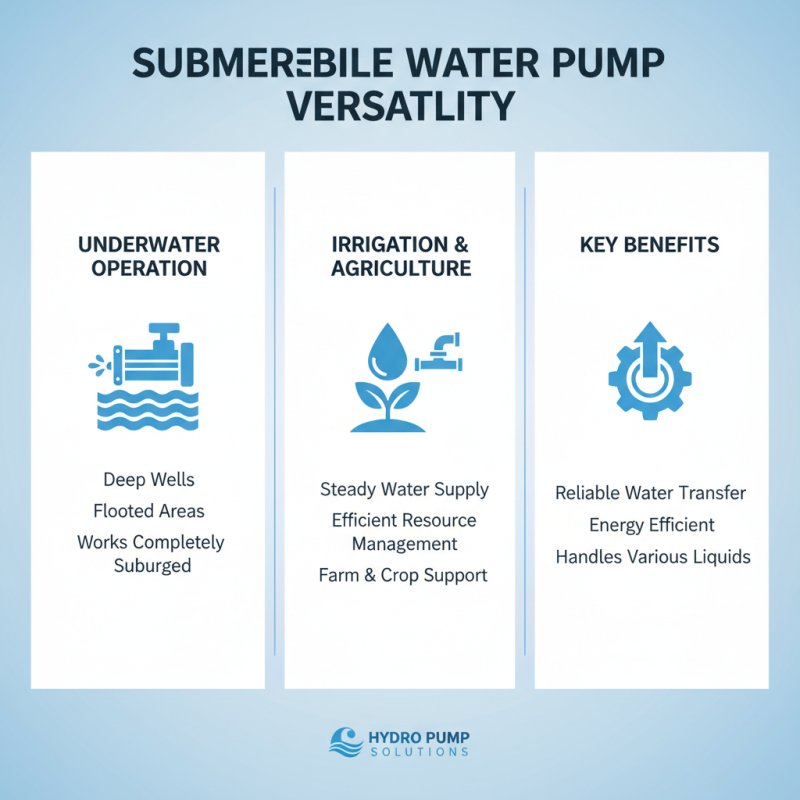
Submersible water pumps are versatile tools. They can handle various applications effectively. These pumps work underwater, making them ideal for deep wells or flooded areas. They play an essential role in irrigation, providing a steady water supply. In agriculture, they help farmers manage water resources efficiently.
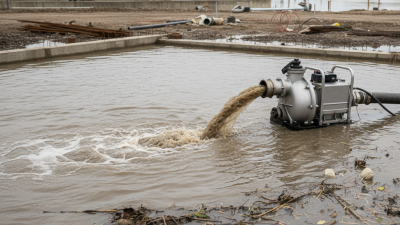
These pumps are also used in construction sites. They can remove excess water during excavation. This feature ensures safety and efficiency. In residential settings, submersible water pumps assist with draining flooded basements. Homeowners often rely on them during heavy rains. They are crucial for managing stormwater runoff.
However, selecting the right submersible pump can be challenging. There are many factors to consider, such as depth and flow rate. Not all pumps are created equal; efficiency varies. Understanding specific needs is vital to avoid costly mistakes. If not carefully chosen, performance may suffer over time. This requires thoughtful assessment before making a decision.
Maintenance Tips for Maximizing the Lifespan of Your Pump
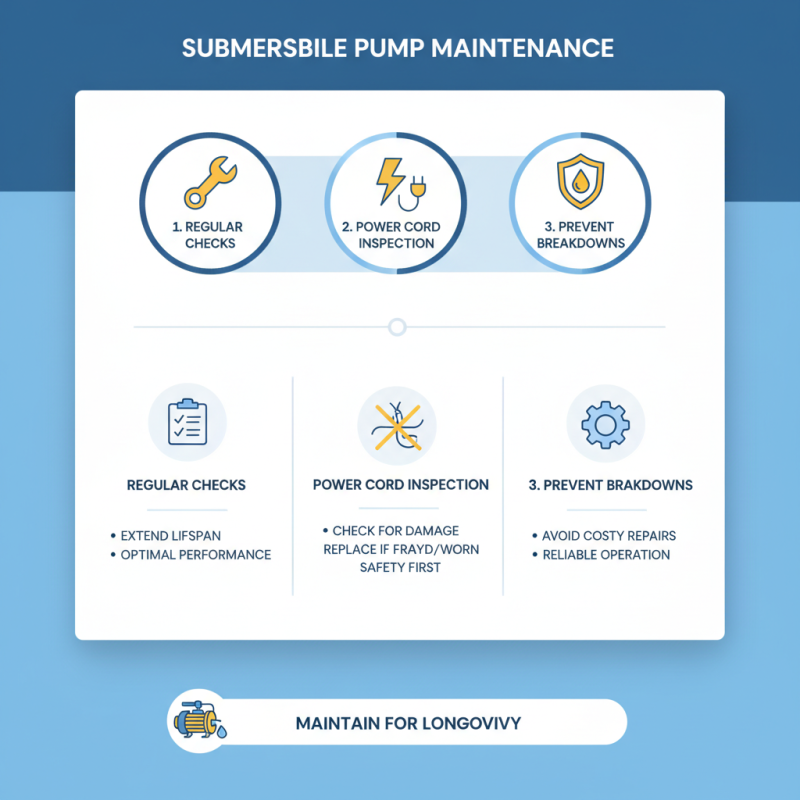
Maintaining your submersible water pump is crucial for its longevity. Regular checks can prevent unexpected breakdowns. Start by inspecting the power cord for any signs of damage. A frayed cord can be a hazard. If you notice discoloration or wear, it’s best to replace it right away. It only takes a moment to check, but it can save you stress later.
Keep the pump clean. Dirt and debris can build up in the intake screen. This buildup affects performance. Take time to rinse your pump after use. If it’s submerged in dirty water, a soft brush can help remove stubborn particles. Remember to turn off the power first. It’s a simple task often overlooked, but it makes a big difference.
During operation, listen for unusual sounds. A rattling noise might indicate a problem. Don’t ignore it. Pay attention to vibrations that feel out of the ordinary. These might signal internal issues. Addressing these concerns early can extend its lifespan. Regular maintenance doesn’t have to be complicated. Even small actions can lead to better performance and fewer repairs over time.