Top 10 Tips for Choosing the Best EV Charger Station?
Choosing the right Ev Charger Station is crucial for electric vehicle owners. With many options available, the selection process can be daunting. Industry expert Sarah Johnson, an EV infrastructure consultant, emphasizes, “A good charger should match your needs and lifestyle.” This wisdom highlights the importance of a personalized approach to charging solutions.
Understanding your requirements is a fundamental step. Consider your daily driving habits, vehicle type, and home setup. You may need a fast charger for a busy lifestyle or a standard unit for occasional use. Each EV Charger Station offers distinct features, making it essential to evaluate what works best for you.
Navigating the world of EV charging can be overwhelming. Not all stations are created equal. Failing to do adequate research may lead to regrettable choices. Take the time to assess different options. Keep in mind factors like charging speed, installation costs, and warranty. Reflecting on these elements can significantly improve your charging experience.
Understanding the Types of EV Chargers Available in the Market
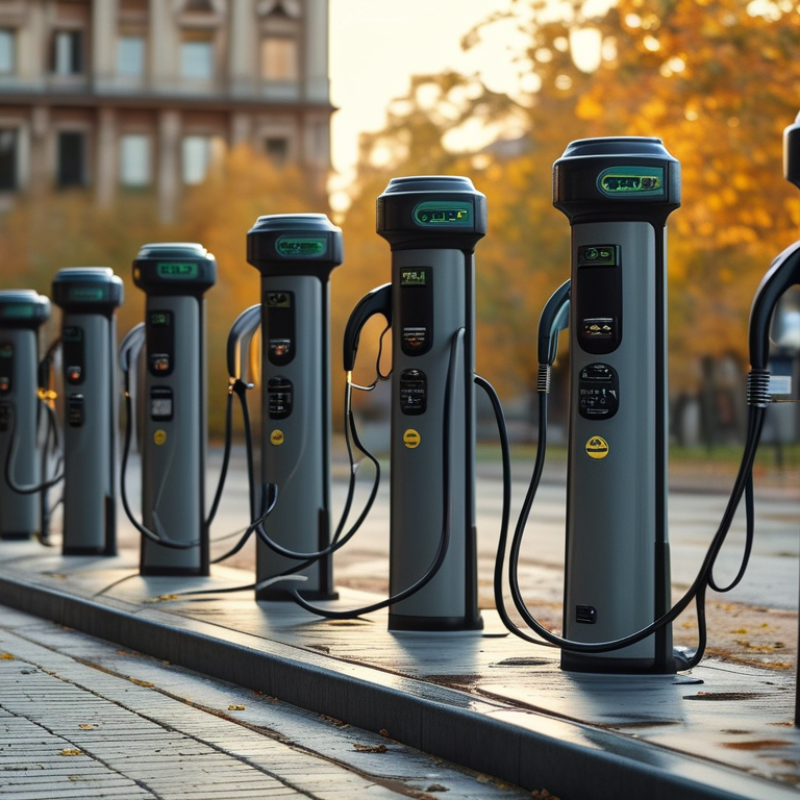
When selecting an EV charger station, understanding the types available is crucial. There are three main types: Level 1, Level 2, and DC fast chargers. Level 1 chargers use a standard household outlet and are best for home use. They are slow, typically providing 2-5 miles of range per hour.
Level 2 chargers are more powerful and often found in public and commercial spaces. They can charge EVs in just a few hours. These chargers are versatile and suitable for both home and public use. Consider your daily driving needs. If you drive long distances regularly, investing in a Level 2 charger can save time.
DC fast chargers are designed for quick top-ups. They can deliver 60-80 miles of range in just 20 minutes. These are ideal for road trips but are generally not for home installations.
Tip: Assess your driving habits. If you drive only short distances, a Level 1 charger might suffice. Also, consider installation costs. Some Level 2 chargers can be expensive to set up. Check for your home’s electrical capacity before deciding. It’s worth pondering how often you'll need a public charger versus relying on home options. Be sure to compare the charging speeds and costs to find what's best for your lifestyle.
Evaluating Charging Speed: Level 1 vs. Level 2 vs. DC Fast Charging
When selecting an EV charger station, understanding the charging speed is crucial. The three main types of chargers are Level 1, Level 2, and DC Fast Charging. Level 1 chargers are standard home outlets. They provide about 4-5 miles of range per hour. This means overnight charging is often required for daily driving needs. It’s convenient but slow.
Level 2 chargers offer a significant speed increase. They can deliver 10-60 miles of range per hour, depending on the vehicle and charger configuration. According to the U.S. Department of Energy, a typical Level 2 charger brings an electric vehicle's battery to 80% in roughly 4-6 hours. For busy households, this speed makes a noticeable difference. Many public charging stations also use Level 2 chargers.
DC Fast Charging is the fastest option available. These chargers can provide 60-100 miles of range in just 20-30 minutes. However, they can vary in output, with some exceeding 300 kW. Yet, while DC Fast Charging is efficient, it isn’t always available. Some locations lack the necessary infrastructure. Additionally, frequent use can affect the long-term health of the battery. So, while speed is essential, also consider the charger availability and the potential impact on battery life.
Top 10 Tips for Choosing the Best EV Charger Station
| Charging Type | Charging Speed (miles per hour) | Typical Voltage | Best Use Case |
| Level 1 Charging | 4-5 miles | 120V | Home use, overnight charging |
| Level 2 Charging | 10-20 miles | 240V | Home use and public charging |
| DC Fast Charging | 60-100 miles | 480V | Long road trips and quick top-offs |
Analyzing Installation Requirements for Your Home or Business
When considering EV charger station installation, one must analyze various requirements specific to their home or business. Start by determining your electrical capacity. An electrician can help assess if your current system supports the additional load. Upgrading your electrical panel may be necessary. This step ensures safety and functionality when charging your electric vehicle.
Next, consider the location of the charger. Visibility and accessibility are key factors. If the charger is in a garage, ensure it can reach your car comfortably. Outdoor installations need protection against the elements. Weatherproof covers can safeguard against rain and snow. Think about the distance from the electrical panel to the charger. Long runs may require extra wiring, adding to installation costs.
Reflect on local regulations and permits. These rules can vary by city or state. Not all areas allow for unrestricted installations. Compliance with local codes helps avoid fines and safety hazards. Engaging a qualified installer familiar with these regulations can save time and expense.
Considering Compatibility with Your Electric Vehicle Model
When choosing an electric vehicle (EV) charger station, compatibility with your specific EV model is crucial. Different models often require varying charging standards and connectors. For instance, some vehicles use Type 1 connectors, while others prefer Type 2 or even CCS. It’s important to check your vehicle's manual for detailed information on the required charging type. This ensures a smooth charging experience every time.
The power output of the charger is also a key consideration. Some EVs can handle higher charging speeds, while others may be limited. For example, a high-speed charger can significantly reduce charging time for models that support it. However, if your vehicle can only accept lower speeds, investing in a high-capacity unit might not provide any benefits. Additionally, always consider the installation space and electrical capacity at home. A charger that fits your vehicle’s requirements but does not align with your home’s infrastructure may lead to frustrating situations later on.
Comparing Cost Factors: Purchase Price, Installation, and Maintenance
Choosing the right EV charger station involves several cost factors, primarily focusing on purchase price, installation, and maintenance. The initial purchase price can range widely. According to a recent industry report, Level 2 chargers can cost between $300 and $1,500. While it may be tempting to opt for the cheapest option, higher-quality models often offer better performance and durability.
Installation costs are another critical factor. The average cost for installation varies based on location and home wiring. An average installation might range from $800 to $2,000. Investing in professional installation can prevent future issues. A poorly installed charger may lead to safety hazards or inefficiency. It's essential to consider local electrical codes and the capacity of your home’s electrical system.
Maintenance is often overlooked but should not be neglected. Regular checks ensure optimal performance of your charging station. Industry studies indicate that routine maintenance can prevent up to 30% of potential malfunctions. Ignoring upkeep may result in unexpected costs down the line. Balancing these cost factors will help you make an informed decision.
Cost Factors in Choosing an EV Charger Station