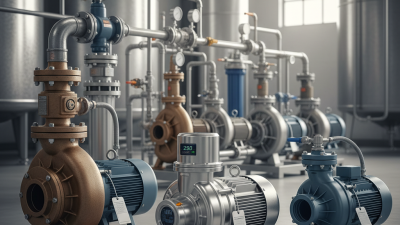
Top Water Suction Pump Manufacturers for Global Buyers
Global buyers face a crowded water pump market, where product claims often sound more precise than field performance. Grand View Research estimated the global water pump market at approximately USD 68.5 billion in 2023. Its report also projects steady growth through 2030, driven by municipal supply, agriculture, construction, and industrial replacement demand. These figures cover broader pump categories, not only water suction pump products. That distinction matters.
The International Energy Agency reports that pumping can represent a significant share of electricity use in water systems. Efficiency, therefore, is not a minor specification. It affects operating budgets, emissions, and equipment life. Lev Nelik, a pump-industry engineer and author, states, “A pump is only as good as the system around it.” The quotation captures a common purchasing mistake. Buyers may compare flow rates while ignoring pipe friction, suction lift, fluid temperature, seal materials, and maintenance access.
This guide examines leading water suction pump manufacturers for global buyers. It considers hydraulic performance, materials, certification evidence, service coverage, spare-parts availability, and application experience. Manufacturers with impressive catalogs may still perform unevenly in remote regions. A low purchase price can become expensive after repeated seal failures or delayed parts.
Market reports provide useful direction, but they cannot replace site measurements. Actual performance varies. Readers should verify test conditions, warranty terms, energy data, and local technical support before selecting a supplier. That caution is imperfect, but necessary. Reliable procurement begins with evidence, not impressive brochures.
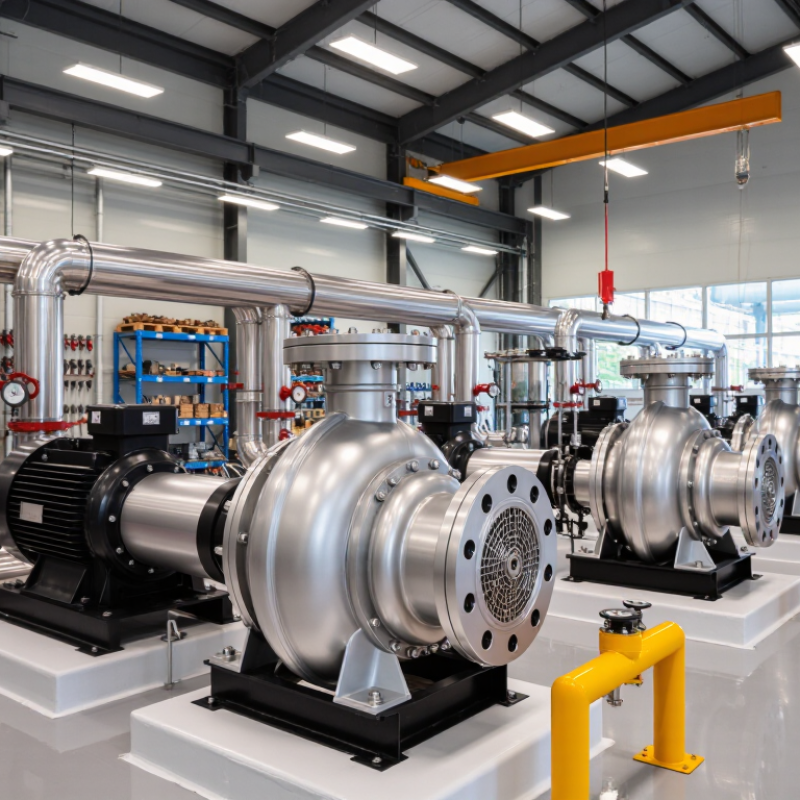
Water Suction Pumps: Definition, Functions, and Common Applications
A water suction pump is a mechanical device that draws water from a lower or distant source and moves it through pipes. It creates pressure differences that pull water into the inlet, then pushes it toward a tank, outlet, or treatment point. Some models use centrifugal force, while others use positive displacement. The correct choice depends on flow rate, total head, suction lift, water quality, and power availability.
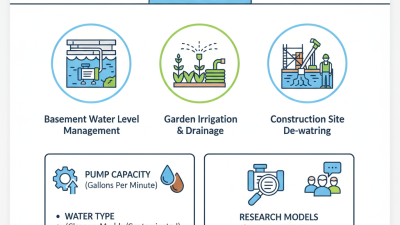
These pumps support irrigation, household water transfer, construction dewatering, drainage, and small-scale water treatment. On a farm, a pump may draw water from a storage pond and feed sprinklers. At a construction site, it can remove rainwater from a shallow excavation. In homes, compact units can improve supply from tanks or wells. Performance changes with pipe length, bends, air leaks, and elevation. That detail is often underestimated.
Global buyers should request performance curves, material specifications, testing records, installation manuals, and replacement-part information from manufacturers. Stainless steel or corrosion-resistant components may suit harsh water, but they can increase cost. A common mistake is selecting a pump by motor power alone. More power does not always mean better delivery. Poor priming can damage equipment, and excessive suction lift may cause cavitation. Even experienced users should verify operating conditions on site. Small design errors can become expensive maintenance problems.
Key Factors for Comparing Global Water Suction Pump Manufacturers
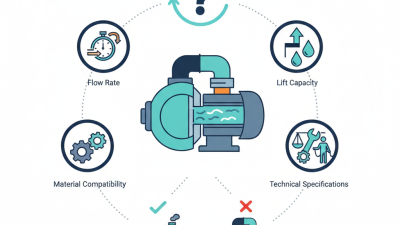
Comparing global water suction pump manufacturers requires more than checking flow rate and price. Buyers should examine head performance, suction lift, motor efficiency, and duty-cycle data under realistic conditions. A pump rated for 80 cubic meters per hour may perform differently with long pipe runs, dirty water, or frequent starts. Request complete performance curves, not isolated figures.
Material selection reveals manufacturing experience. Cast iron may suit many water systems, while stainless steel can better resist corrosion in coastal facilities. Inspect seal design, impeller construction, bearing protection, and access for routine maintenance. Ask how each unit is tested before shipment. Factory pressure tests, vibration checks, and electrical inspections provide useful evidence. Small details matter.
Reliable manufacturers explain installation limits clearly. They should provide manuals, spare-part schedules, wiring information, and responsive technical support across time zones. Confirm service response times and the availability of replacement seals and bearings in your market. Total cost matters more than the purchase price. Energy use, downtime, transport, and maintenance can change the calculation quickly. I have seen attractive quotations become expensive after one season of heavy use. A polished brochure can still hide weak after-sales support. Buyers should compare verified references, documented quality procedures, and actual operating conditions before choosing a supplier.
Leading Manufacturer Categories and Their Product Specialties
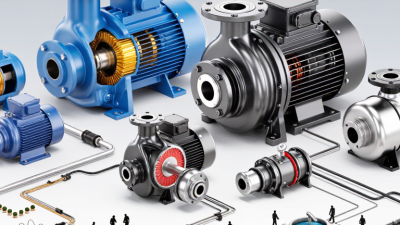
Water suction pump manufacturers usually fall into several practical categories, each with a clear product specialty. Industrial centrifugal pump makers serve factories, irrigation systems, and municipal water networks. Their strengths include high flow rates, stable pressure, and durable metal casings. These pumps often handle long operating hours beside large storage tanks. Selection depends on required head, flow, fluid temperature, and installation space. Small mistakes matter.
Self-priming pump manufacturers focus on systems that may contain air during startup. Their products suit drainage work, construction sites, farms, and emergency water transfer. Diaphragm pump specialists provide controlled movement for muddy or contaminated water. Their designs reduce internal wear when solids pass through the chamber. Submersible pump manufacturers concentrate on compact units for wells, pits, and floodwater removal. Buyers should check cable protection, seal quality, and motor cooling.
Reliable manufacturers provide measurable evidence, not only attractive catalog claims. Ask for performance curves, material details, factory test records, and maintenance guidance. Quality systems and relevant regional certifications also deserve careful review. However, paperwork cannot replace practical verification. During supplier reviews, compare the stated flow with the actual pipe diameter and lift distance. An impressive pump may underperform after bends, valves, and clogged filters are added. Some specifications remain unclear, so buyers should request independent testing when the application is critical. That extra step can expose weaknesses before installation.
How to Select and Purchase the Right Water Suction Pump Supplier
Top Water Suction Pump Manufacturers for Global Buyers
How to Select and Purchase the Right Water Suction Pump Supplier
Selecting a water suction pump supplier requires more than comparing catalog prices. Start with the actual application. Record the required flow rate, total head, suction lift, water temperature, and daily operating hours. A pump drawing water from a shallow tank needs different performance from one lifting water through a long pipeline. My early mistake was trusting the maximum flow figure. That number often ignores pipe resistance and elevation changes.
Ask suppliers for a complete performance curve, material specifications, motor details, and recommended operating limits. Confirm whether the pump handles clean water, sediment, or mildly corrosive liquids. Check voltage, frequency, inlet size, spare parts availability, and warranty terms. Reliable suppliers should explain testing procedures and provide clear inspection documents. They should also answer technical questions without hiding behind vague sales language. Certification matters, but it should match your destination market and project requirements.
Tips: Request a sample quotation with shipping terms, lead time, packaging details, and after-sales support. Compare the same specifications, not only the unit price. Ask for a factory test report or arrange independent inspection before shipment. Small details matter. A missing gasket or unclear connection thread can delay installation. Also, leave room for honest doubt. A supplier may look excellent online, yet communication during a technical discussion can reveal weaknesses. Keep written records of every agreed specification.
How to Select the Right Water Suction Pump Supplier
Typical maximum head by common water pump configuration. Buyers should compare flow rate, head, material quality, efficiency, certifications, warranty, spare-parts support, and delivery capability against the supplier’s technical datasheet.
Reference values represent commonly available engineering ranges and should be verified for the specific pump model, operating point, and installation conditions.