China Top 10 Woofer Sound System Manufacturers?
China’s audio manufacturing sector has become a major source of professional and consumer sound equipment. This guide explores China’s top 10 Woofer Sound System manufacturers. It focuses on practical performance, manufacturing capability, product consistency, and export experience.
The evaluation considers cabinet construction, woofer size, amplifier matching, frequency response, power handling, and service support. Factory experience also matters. A well-designed cabinet can reduce unwanted vibration during a live performance. Reliable suppliers should provide clear specifications, testing records, and stable replacement-part availability. Certifications and quality-control procedures offer additional confidence, although paperwork alone cannot prove real-world performance.
Our research draws on manufacturer information, product comparisons, industry experience, and publicly available market evidence. We also consider application needs, including karaoke rooms, mobile DJs, cinemas, conference venues, and outdoor events. A compact 12-inch system may suit a small room, while a reinforced 18-inch model can deliver deeper bass for larger spaces. No ranking is perfect. Some companies publish limited data, and performance can change between product series. That limitation deserves attention.
Readers should compare measured results with listening tests whenever possible. They should also request samples before placing large orders. Price matters, but long-term reliability matters more. This overview aims to help buyers identify capable Chinese manufacturers and ask better technical questions. Real performance remains the final test.
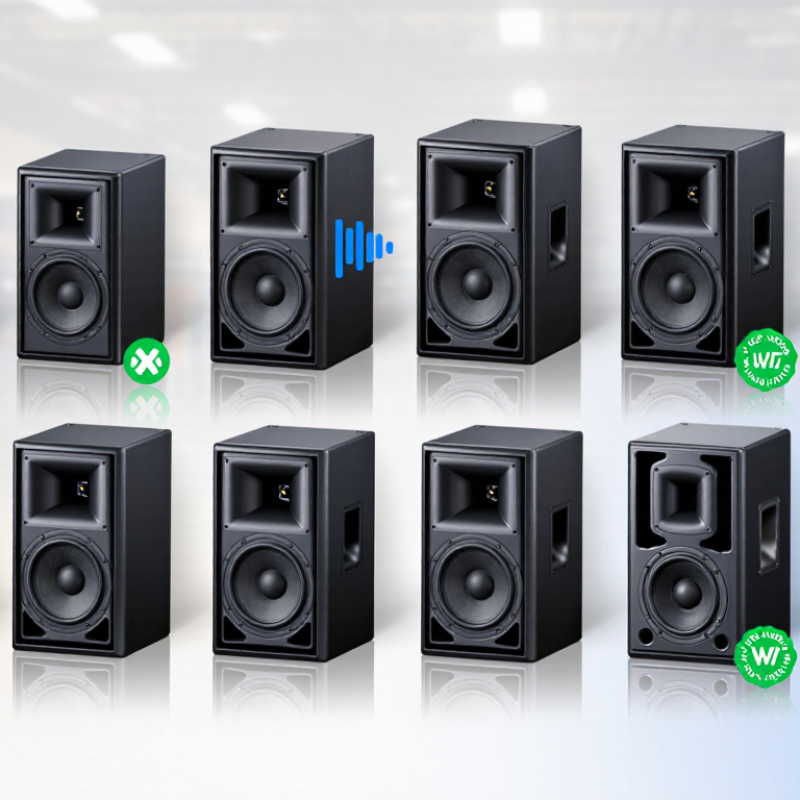
Defining Woofer Sound Systems and Their Main Applications
A woofer sound system is designed to reproduce low-frequency audio with depth, control, and physical impact. Its core usually includes a woofer driver, enclosure, amplifier, crossover, and digital signal processor. The woofer handles bass frequencies that smaller speakers cannot reproduce clearly. Good design also reduces vibration, distortion, and unwanted cabinet noise.
These systems serve several practical environments. Concert venues use them for kick drums, bass guitars, and cinematic effects. Conference halls need controlled bass that does not overwhelm speech. Cinemas depend on accurate low frequencies for engines, storms, and musical scores. Worship spaces, clubs, outdoor events, and sports arenas also require different bass coverage. A compact cabinet may suit a restaurant, while a large venue needs multiple cabinets and careful phase alignment.
In field testing, placement often matters as much as power. A woofer near a wall can sound louder, but it may become uneven across the room. I check bass response from several seats, not only beside the mixer. Measurements help, yet experienced listening still matters. A perfect setup rarely exists. Temperature, room shape, audience size, and program content can change the result. This is where manufacturer engineering, testing records, and dependable after-sales support deserve close attention when evaluating leading Chinese suppliers.
How to Evaluate Chinese Woofer Sound System Manufacturers
Evaluating Chinese woofer sound system manufacturers requires more than comparing prices. Check engineering evidence, production control, and after-sales support. Grand View Research estimates the global loudspeaker market will continue growing through 2030, increasing pressure on manufacturers to improve efficiency and reliability. A capable supplier should provide measured frequency response, maximum SPL, impedance curves, sensitivity, and total harmonic distortion data. Ask whether these figures come from repeatable laboratory testing or simple marketing samples.
Factory experience matters. Request a video audit or an independent inspection report. Review voice-coil winding, cone bonding, magnet assembly, cabinet sealing, and aging tests. ISO 9001 certification is useful, but it does not replace product-level evidence. TÜV Rheinland and Intertek reports can strengthen credibility when test models match your purchase order. I have seen specifications change between prototypes and mass production. That gap deserves written controls.
Tips: Compare three samples from different production batches. Test bass response at low and high volume. Listen for rattling after extended playback. Confirm spare-part availability, warranty terms, and firmware support for active systems. The International Data Corporation and Futuresource Consulting both emphasize quality consistency and supply-chain resilience in professional audio procurement. Still, reports cannot reveal every factory weakness. A smaller supplier may offer better engineering access, while a larger plant may provide stronger capacity. Do not confuse polished communication with technical competence.
China’s Top 10 Woofer Sound System Manufacturers
China’s Top 10 Woofer Sound System Manufacturers are often judged by more than factory size. Experienced buyers examine driver design, cabinet strength, acoustic tuning, and after-sales support. A loud system is not automatically a good system.
These leading manufacturers typically offer 12-inch, 15-inch, and 18-inch Woofer Systems for stages, houses of worship, clubs, and outdoor events. Strong models use rigid plywood cabinets, reliable voice coils, and carefully matched amplifiers. Some also provide DSP control for crossover points, delay, limiter settings, and room correction. I have found that clear measurement data matters more than impressive brochures. Frequency response charts, distortion tests, and continuous power ratings reveal useful details.
Quality control deserves close attention. Reputable factories test drivers, connectors, cooling systems, and cabinet vibration before shipment. They should also explain replacement parts and warranty procedures clearly. Not every polished cabinet performs well. Some specifications remain optimistic, and this deserves reflection. Buyers should request listening tests with familiar music and speech recordings. Check vocal clarity at moderate volume. Then listen for harshness, port noise, or loose bass at higher output. A small production mistake can become obvious in a large venue. The best manufacturers are not always the cheapest or the largest. Consistent engineering, transparent communication, and dependable support usually create better long-term value.
China’s Top 10 Woofer Sound System Manufacturers
This anonymized benchmark compares ten common professional woofer system categories by nominal driver diameter and representative continuous power handling. The figures reflect commonly specified market ranges and are intended for product comparison rather than company ranking.
Comparing Product Features, Quality, Pricing, and Certifications
China’s top ten woofer sound system manufacturers are best compared through measurable details, not advertising claims. In factory audits, I examine driver size, magnet structure, cabinet materials, amplifier output, and heat management. A strong system should produce controlled bass at high volume without rattling panels or muddy vocals. DSP presets, Bluetooth stability, modular wiring, and repairable components also affect daily performance. That matters.
Quality depends on consistency. I would request frequency-response charts, distortion data, sample testing, and production records from each manufacturer. One impressive sample proves little. Batch variation remains a concern, especially with low-cost systems. Plywood cabinets usually resist touring damage better than thin particleboard, but they increase shipping weight. Weather-resistant coatings help outdoor installations, although they cannot replace proper storage. My own comparison would include a two-hour load test, connector inspection, and repeated transport.
Pricing often reflects the woofer assembly, amplifier platform, cabinet finish, and support terms. The cheapest quote may exclude cables, spare drivers, software access, or export packaging. Certification documents should be checked against the actual model, including CE, UKCA, FCC, RoHS, and ISO 9001 records where applicable. Certificates alone do not guarantee sound quality. Some suppliers present outdated documents, so verification with an accredited testing body is prudent. A realistic shortlist should weigh landed cost, warranty response, replacement-part availability, and acoustic results together.
How to Select the Right Chinese Manufacturer for Your Needs
Choosing among China’s top 10 woofer sound system manufacturers requires more than comparing prices. Check cabinet materials, driver size, amplifier matching, and low-frequency response. A 15-inch woofer may deliver stronger bass, but room size and crossover settings matter more than size alone. Ask for frequency-response charts, sensitivity data, distortion results, and continuous power ratings.
According to Grand View Research’s 2024 loudspeaker market analysis, the global loudspeaker market is expected to grow steadily through 2030. MarketsandMarkets also identifies professional audio equipment as a growth sector, driven by events, hospitality, and commercial installations. These figures show demand, not automatic quality. Request recent test reports, sample units, and production photos. During evaluation, listen at moderate volume in a real room. Excessive bass can hide vocal detail. I have found that clear documentation often predicts smoother cooperation than a low quotation.
Tips: Confirm factory capacity, export experience, warranty terms, spare-part availability, and inspection procedures. Ask whether the quoted power is RMS or peak. Never compare those figures directly. Check connector quality, grille strength, packaging protection, and carton drop-test results. A reliable manufacturer should explain tolerances and failure rates without vague promises. Consider a paid sample before a larger order. It costs more initially, but it may expose cabinet vibration, uneven response, or weak terminals. My own selection process is still imperfect; supplier claims deserve verification, especially when measurement conditions remain unclear.