7 Best Gas Water Pumps for Reliable Water Transfer?

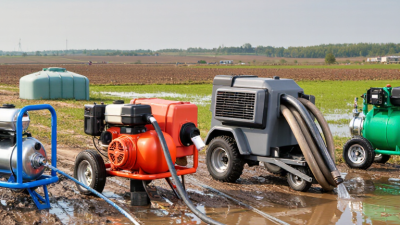
Moving water quickly is rarely just a matter of choosing the highest horsepower. A reliable gas water pump must match the water source, discharge distance, elevation, and debris conditions. The United Nations World Water Development Report 2023 identifies agriculture as the largest user of global freshwater, accounting for roughly 70% of withdrawals. That figure shows why dependable transfer equipment matters on farms, construction sites, emergency work areas, and remote properties.

This guide examines seven leading gas water pump options through practical performance criteria. These include flow rate, maximum head, suction lift, priming design, solids handling, fuel efficiency, and serviceability. Hydraulic Institute testing guidance also emphasizes measurable pump performance rather than marketing claims alone. A pump rated at 1,000 gallons per minute may deliver far less through long hoses, narrow fittings, or steep elevation changes. Numbers can mislead.

Safety matters just as much. The U.S. Centers for Disease Control and Prevention warns that gasoline engines produce carbon monoxide, a colorless and potentially deadly gas. Therefore, every gas water pump should operate outdoors, away from doors, windows, and air intakes. Protective screens, stable placement, and regular hose inspection also reduce avoidable risks.

No single model is best for every job. That is the uncomfortable part. A powerful pump may waste fuel during light-duty drainage, while a compact model may struggle with muddy water. The comparisons below focus on real transfer needs, not impressive specifications alone. Field experience still matters, and manufacturer data should be checked before purchase.
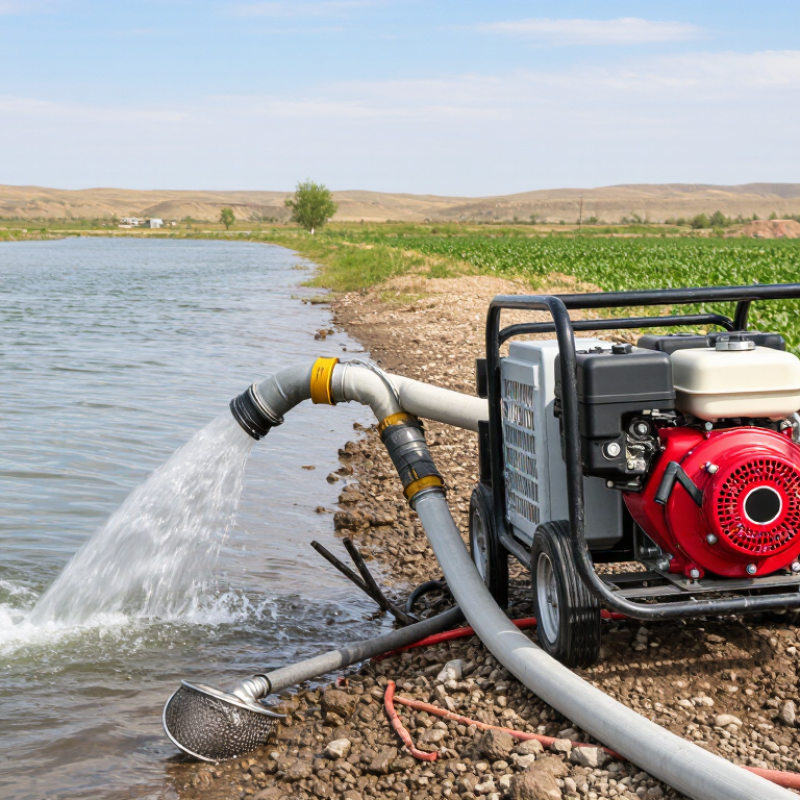
7 Best Gas Water Pumps for Reliable Water Transfer?

What Gas Water Pumps Are and How They Work

A gas water pump uses a small internal-combustion engine to spin an impeller. The impeller creates low pressure at the inlet, pulling water through a suction hose. Water then moves outward through the casing and exits under pressure. This process is simple, but hose diameter, lift height, and air leaks strongly affect performance.

The U.S. Department of Energy’s Pumping System Assessment Tool links flow, total head, and pump efficiency. These factors matter more than engine size alone. A pump rated at 200 gallons per minute may deliver far less through a narrow hose or steep uphill run. In field use, I check the suction strainer, prime the casing, and keep the inlet hose as short as practical. Small mistakes are common. A loose clamp can stop water transfer completely.

Fuel use also deserves attention. The U.S. Environmental Protection Agency lists gasoline combustion at about 8.89 kilograms of carbon dioxide per gallon. That figure excludes other operating emissions. Gas pumps therefore suit remote drainage, irrigation, and emergency transfer, where electrical access is limited. They need ventilation, stable ground, and regular oil checks. Never run one indoors. Hydraulic Institute guidance also emphasizes reading the pump curve before selecting equipment. Real conditions rarely match the box label. Their actual performance must be tested.

Key Features for Reliable Water Transfer

Reliable water transfer depends on more than engine power. A suitable gas water pump should match the required flow rate and total head height. Check both figures before purchasing. A pump may move water quickly at ground level but struggle uphill. In field use, a sturdy frame, clear fuel access, and vibration-resistant mounts make daily handling easier. These details often matter more than impressive advertised output.

Look for a self-priming design with simple controls and accessible drain plugs. A durable impeller helps manage repeated use, while a quality suction port reduces air leaks. Hose diameter also matters. Narrow hoses can restrict flow and increase engine strain. For muddy water, select a model designed for solids. Clean water pumps may clog quickly in ditches or construction areas. I have found that users often overlook priming, then blame the pump for poor performance.

Tips: Place the pump on level ground, away from standing water. Use a reinforced suction hose and secure every connection tightly. Check oil, fuel, filters, and clamps before each operation. Keep the discharge hose as straight as practical. Never run a gas engine in an enclosed space. Stop immediately if the engine surges, leaks, or produces unusual smoke. A short test run is wise, although it cannot replace regular maintenance. Reliable transfer comes from matching specifications with real site conditions, not choosing the largest pump.

Seven Top Gas Water Pumps Compared by Performance

Seven Top Gas Water Pumps Compared by Performance

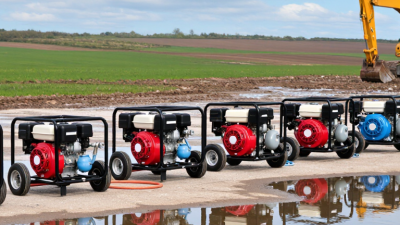
A practical comparison of seven gas water pumps should begin with flow, lift, priming, and fuel use. A compact 1-inch model suits garden tanks and shallow drainage. Its lighter frame is convenient, but output drops quickly with long hoses. A 2-inch general-purpose pump usually moves water faster and handles routine construction work. The high-head 2-inch option performs better uphill, although its flow rate may be lower. Check both numbers, not just the advertised maximum.

A 3-inch high-volume pump is built for flooded yards, ponds, and large storage tanks. It can shift impressive volumes, yet it consumes more fuel and needs firmer ground. A semi-trash pump is more forgiving around leaves and small grit. It still requires a clean suction strainer.

The seventh choice, a lightweight contractor pump, offers easier lifting and quick setup. However, thin frames can vibrate on concrete. That detail is easy to overlook.

In field use, suction-hose quality often matters as much as engine size. A soft hose may collapse and reduce performance. Keep the pump close to the water source, prime it fully, and inspect the discharge fittings. I would compare performance after ten minutes, not only during the first burst. Fuel consumption, noise, starting effort, and maintenance access reveal practical differences. My own preference can change after muddy water, steep elevation, or repeated starts. Manufacturer flow curves remain useful, but real conditions are less tidy.

How to Choose the Right Pump for Your Needs

7 Best Gas Water Pumps for Reliable Water Transfer

How to Choose the Right Pump for Your Needs

Choosing a gas water pump starts with the water itself. Clear water needs a standard transfer pump, while muddy water requires a trash pump with a wider passage. Check the required flow rate in gallons per minute and compare it with the distance and height of the transfer. A pump may move 200 gallons per minute on paper, yet perform less effectively against a steep lift. Measure the suction hose length carefully. Longer suction lines reduce performance.

Engine size matters, but bigger is not always better. A compact pump is easier to carry around a garden or construction area. A larger model may suit drainage after heavy rain. Look for a strong frame, accessible oil checks, and common replacement parts. Reliable starting is important when the pump sits unused for months. In my experience, neglected fuel causes more trouble than modest engine power. That detail is easy to overlook.

Tips

Use reinforced hoses with secure clamps. Keep the pump close to the water source. Prime the pump before operation, if required. Never run a gas engine in an enclosed space. Check the inlet screen often, especially in ponds or muddy pits. Read the stated lift limits carefully. Real conditions can be less forgiving. A small safety margin is wise.

Safe Operation, Maintenance, and Troubleshooting

Gas water pumps can move large volumes quickly, but reliable transfer begins with safe setup. Place the pump outdoors, on firm, level ground, away from doors and windows. Never operate a gasoline engine in an enclosed shed, basement, or vehicle. Check the fuel line, oil level, and hose connections before starting. A small leak deserves attention.

Use a suction hose that cannot collapse under vacuum. Secure every clamp tightly, and keep the intake strainer below the water surface. Prime the pump if its design requires it. Do not run the engine dry. It can damage the impeller and mechanical seal within minutes.

Keep hands, loose clothing, and children away from moving parts. The exhaust becomes extremely hot.

Maintenance is easier after every demanding job. Drain dirty water, rinse the strainer, and inspect the impeller for stones or grit. Change engine oil according to the manual, even when the oil still looks acceptable. I once blamed weak water flow on the pump, but a partially blocked strainer caused the problem. Troubleshooting should start with simple checks: fuel supply, engine speed, suction leaks, clogged hoses, and excessive lift. Air bubbles near a connection often reveal a poor seal. Stop immediately if you smell fuel, hear grinding, or see unusual vibration. Let the engine cool before opening any housing. Some repairs are better handled by a qualified technician, especially when pressure, fuel, or internal engine parts are involved.

×

Cart