Top 10 Gas Water Pumps for Global Buyers
Reliable water movement remains essential across farms, construction sites, emergency response, and rural communities. The WHO and UNICEF Joint Monitoring Programme reported that 2.2 billion people lacked safely managed drinking water in 2022. This figure shows why dependable pumping equipment still matters globally. However, water access alone does not guarantee suitable equipment. Buyers must match pump capacity, fuel availability, suction depth, discharge distance, and maintenance support.
This guide examines ten gas water pump models for international buyers. The selection considers flow rate, total head, engine design, portability, fuel efficiency, noise, and parts availability. FAO reports that agriculture accounts for roughly 70% of global freshwater withdrawals. Therefore, irrigation users may prioritize continuous output, while contractors may need compact frames and faster setup. A pump rated at 1,000 liters per minute may perform differently after elevation, hose friction, or dirty water enters the system. Real conditions matter.
Standards help, but they do not solve every purchasing risk. ISO 9906 provides a framework for pump hydraulic performance testing, while engine emissions requirements vary by market. Product brochures can look precise. Field results may disagree. This review therefore combines manufacturer specifications with practical buying considerations, including priming behavior, vibration, warranty coverage, and service accessibility. Some rankings remain subjective because operating conditions differ widely. That limitation deserves attention. A suitable gas water pump should deliver dependable performance, safe operation, and reasonable lifetime cost, rather than impressive numbers alone.
What Are Gas Water Pumps and How Do They Work?
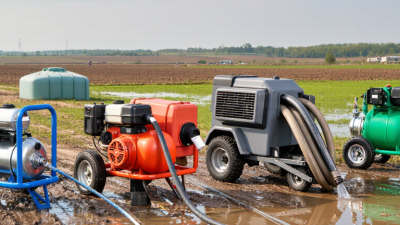
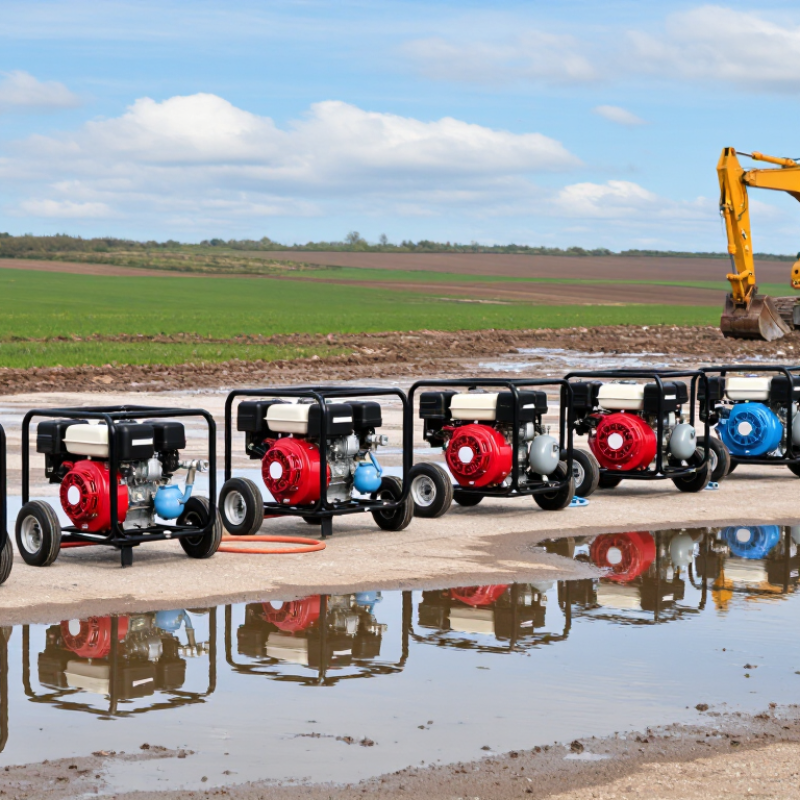
Gas water pumps are portable machines powered by gasoline engines. They move water where electricity is unavailable, unstable, or too distant. A typical centrifugal pump uses the engine to spin an impeller inside a casing. The impeller creates low pressure at the inlet. Atmospheric pressure pushes water through the suction hose. Water exits through the discharge port at higher pressure. Priming matters. Air inside the casing can stop flow. Diaphragm pumps use a flexible membrane instead. They handle muddy water and small solids more effectively. Buyers should compare total head, flow rate, particle size, and runtime. Horsepower alone is not enough.
FAO AQUASTAT reports that agriculture uses roughly 70% of global freshwater withdrawals. This supports demand for pumps in irrigation, drainage, and emergency water transfer. The WHO and UNICEF Joint Monitoring Programme reported that 2.2 billion people lacked safely managed drinking water in 2022. Pumps cannot solve treatment or distribution gaps, but they can move source water efficiently. Read the pump curve, not only the advertised flow. A three-inch outlet does not guarantee strong performance at high lift. Fuel use increases with head, poor maintenance, and blocked strainers. A clogged strainer is easy to overlook. It is also costly. Check suction leaks, oil level, vibration, and discharge pressure before operation. Exhaust must remain outdoors. Noise and carbon monoxide risks deserve equal attention. One imperfect assumption remains common: bigger engines are always better. They are not.
Key Specifications Global Buyers Should Evaluate
Top 10 Gas Water Pumps for Global Buyers
Key Specifications Global Buyers Should Evaluate
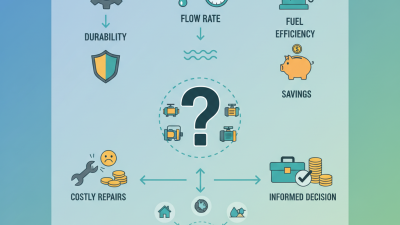
Choosing among the top 10 gas water pumps requires more than comparing advertised flow rates. Start with the application. A 2-inch pump may suit farm drainage, while construction sites often need larger inlets and stronger solids handling. Check maximum flow, total head, suction lift, and self-priming time. A pump rated for 30 meters of head may deliver far less water at that height. This detail is easy to miss.
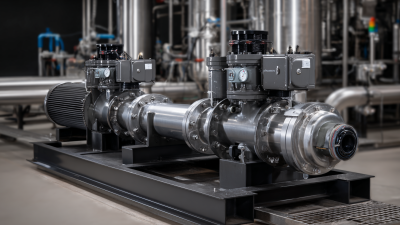
Engine displacement, fuel consumption, starting method, and operating hours also matter. Air-cooled engines are practical, but ventilation must remain clear in dusty areas. Examine the pump casing, impeller, seals, and frame for corrosion resistance. In field evaluations, small seal failures often cause more downtime than engine problems. Noise levels and exhaust requirements should match local rules and the working environment. A bigger engine is not automatically better.
Tips: Request performance curves, not only headline figures. Test the pump with the actual hose length and elevation. Confirm spare-part availability, user manuals, warranty terms, and safety documentation before purchase. Check metric and imperial connections carefully. I would also inspect fuel storage conditions and cold-start performance, because laboratory ratings may not reflect remote job sites. There is no perfect specification sheet. Practical fit matters most.
Top 10 Gas Water Pumps for Global Buyers - Key Specifications Global Buyers Should Evaluate
| Rank |
Pump Type / Best Use |
Port Size |
Max Flow |
Max Total Head |
Max Suction Lift |
Engine Class |
Fuel Tank |
Approx. Dry Weight |
Key Evaluation Point |
| 1 |
2-inch clean-water pump
General irrigation and drainage |
50 mm / 2 in |
30 m³/h
(500 L/min) |
28 m
(92 ft) |
7 m
(23 ft) |
163 cc
4-stroke, 4–5 hp |
3.6 L |
25–30 kg |
Confirm impeller material, mechanical-seal compatibility, and rated flow at the required head. |
| 2 |
3-inch clean-water pump
High-volume farm and construction drainage |
80 mm / 3 in |
60 m³/h
(1,000 L/min) |
28 m
(92 ft) |
7 m
(23 ft) |
196 cc
4-stroke, 5–7 hp |
3.6–6.0 L |
30–38 kg |
Check whether the quoted capacity is measured at zero head or at the operating point. |
| 3 |
4-inch clean-water pump
Large-area irrigation and flood removal |
100 mm / 4 in |
100 m³/h
(1,667 L/min) |
25–30 m
(82–98 ft) |
7 m
(23 ft) |
270 cc
4-stroke, 8–10 hp |
6.0 L |
45–60 kg |
Evaluate frame strength, lifting points, hose diameter, and transport requirements. |
| 4 |
2-inch semi-trash pump
Muddy water and light debris |
50 mm / 2 in |
30–36 m³/h
(500–600 L/min) |
25–28 m
(82–92 ft) |
7 m
(23 ft) |
196 cc
4-stroke, 5–7 hp |
3.6–6.0 L |
32–42 kg |
Look for a clean-out port and a stated solids-passage diameter, commonly around 15–20 mm. |
| 5 |
3-inch semi-trash pump
Construction sites and stormwater |
80 mm / 3 in |
55–70 m³/h
(917–1,167 L/min) |
24–28 m
(79–92 ft) |
7 m
(23 ft) |
270 cc
4-stroke, 8–10 hp |
6.0 L |
48–65 kg |
Verify abrasion resistance, replaceable wear parts, and the maximum allowable debris size. |
| 6 |
4-inch semi-trash pump
Municipal drainage and heavy muddy water |
100 mm / 4 in |
90–120 m³/h
(1,500–2,000 L/min) |
22–28 m
(72–92 ft) |
7 m
(23 ft) |
389 cc
4-stroke, 11–13 hp |
6.5–10 L |
70–95 kg |
Check discharge-hose friction losses because large flow rates require correctly sized hoses and fittings. |
| 7 |
3-inch high-pressure pump
Long-distance irrigation and sprinklers |
80 mm / 3 in |
35–50 m³/h
(583–833 L/min) |
50–70 m
(164–230 ft) |
7 m
(23 ft) |
389 cc
4-stroke, 11–13 hp |
6.5–10 L |
65–85 kg |
Prioritize the pump curve, pressure at the outlet, and compatibility with sprinkler or nozzle systems. |
| 8 |
1-inch compact water pump
Small farms, gardens, and emergency use |
25 mm / 1 in |
10–15 m³/h
(167–250 L/min) |
25–35 m
(82–115 ft) |
7 m
(23 ft) |
98 cc
4-stroke, 2–3 hp |
1.5–2.5 L |
15–22 kg |
Compare portability, noise level, priming time, and the availability of small-diameter hoses. |
| 9 |
2-inch high-head pump
Elevated fields and extended discharge runs |
50 mm / 2 in |
25–35 m³/h
(417–583 L/min) |
45–60 m
(148–197 ft) |
7 m
(23 ft) |
270–389 cc
4-stroke, 8–13 hp |
6.0–10 L |
45–70 kg |
Use total dynamic head calculations rather than relying only on the advertised maximum head. |
| 10 |
6-inch high-volume pump
Large-scale flood control and canal transfer |
150 mm / 6 in |
180–250 m³/h
(3,000–4,167 L/min) |
20–30 m
(66–98 ft) |
6–7 m
(20–23 ft) |
688–797 cc
4-stroke, 20–25 hp |
15–25 L |
125–180 kg |
Assess trailer or skid mounting, fuel consumption, suction-pipe rigidity, and service access before purchase. |
Specifications shown are representative market ranges for gasoline-powered centrifugal water pumps. Actual performance varies with engine speed, impeller design, water quality, elevation, hose length, fittings, and total dynamic head.
Best Gas Water Pumps for Different Water Transfer Needs
Gas-powered water pumps suit locations where electrical power is unavailable, unstable, or too far away. The right model depends on the water transfer task, not the pump’s advertised maximum flow. For draining shallow construction pits, choose a high-flow pump with a broad discharge hose. Irrigation often needs steady pressure and moderate lift. Deep wells demand careful attention to total head, suction limits, and priming requirements.
For muddy ponds or floodwater, select a trash pump that tolerates leaves, gravel, and suspended solids. Clear-water pumps are better for tanks, pools, and clean storage reservoirs. A lightweight transfer pump helps with emergency dewatering, but its smaller engine may struggle during long shifts. Check fuel access, frame strength, hose compatibility, and replacement parts before purchasing. Small details matter.
I have seen operators focus on flow rate and overlook suction height.
That mistake can reduce performance quickly. Keep the pump close to the water source, use a reinforced suction hose, and seal every connection. Read the manual before starting. Really do it. Test the unit on clean water first, then inspect vibration, exhaust direction, and fuel leaks. Gas engines are useful, but they are noisy and require outdoor ventilation. Maintenance intervals also vary, so a simple service log improves reliability. The best choice is the pump that matches the water, distance, duration, and working conditions.
Safety, Maintenance, and International Purchasing Considerations
Choosing among the top 10 gas water pumps requires more than comparing flow rates. Safety should guide every purchase. Place the pump outdoors, away from doors, windows, and fuel storage. Exhaust gases can accumulate quickly. Keep the unit on firm, level ground. A dry, ventilated location matters.
Before starting, inspect the fuel line, oil level, hose clamps, and protective guards. Check for cracked hoses or loose fittings. Never refuel a hot engine. Stop the engine first. Keep a suitable fire extinguisher nearby. Operators should wear gloves, eye protection, and hearing protection during extended use. These small actions prevent costly mistakes.
Maintenance records improve reliability across international shipments. Record running hours, oil changes, filter cleaning, and winter storage steps. Drain water from the pump before freezing weather. Salt air also demands extra attention to metal parts and connectors. For overseas purchasing, confirm voltage-free engine requirements, fuel compatibility, spare-part availability, packaging strength, and translated manuals. Ask the supplier for test videos, replacement-part lists, and inspection documents. Requirements differ by destination, so buyers should verify current customs, emissions, labeling, and safety rules with local authorities. A checklist helps, but it is not perfect. I have seen buyers focus on maximum flow and overlook suction lift, causing poor performance after installation. A quieter, serviceable pump may be the better choice for farms, construction sites, or emergency drainage.
Top 10 Gas Water Pumps for Global Buyers
Typical maximum flow benchmarks by nominal discharge size
Larger discharge sizes generally deliver higher flow rates, but buyers should also compare total head, fuel consumption, self-priming capability, dry-run protection, spare-parts availability, emissions requirements, packaging, and local import regulations. The figures shown are indicative industry benchmarks; actual performance depends on engine output, pump design, hose length, elevation, and water conditions.